

• One Lagos bale seller, Okrika Thrift Bale, lists most of its first-grade bales at ₦250,000 to ₦800,000 as of 23 November 2026, while an Aswani dealer told BusinessDay in January 2021 that a bale then cost ₦200,000 to ₦300,000.
• Traders say they buy in dollars and sell in naira, and the naira has gone from an official close of ₦461.50 to the dollar at the end of 2022 to a close of ₦1,388 on 19 November 2026.
• A 2023 US Commerce Department guide lists second-hand clothing as "absolutely prohibited" by the Nigeria Customs Service and bales are still being seized, and no current, independently surveyed price for a Katangua bale or a bale of shoes could be found.
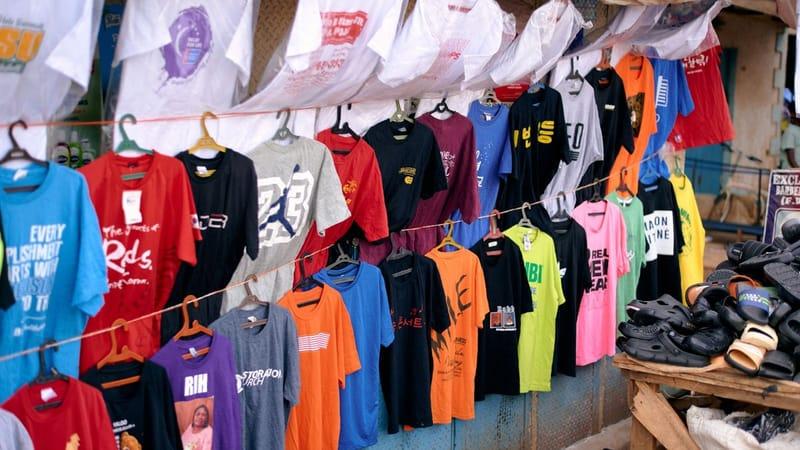
It is a little after six on a Wednesday morning in Abule Egba. A wrapped bale is cut open on a tarpaulin and a dozen hands go in at once, pulling out denim, checking collars, holding shirts up to the light. By the time the sun is properly up, the best pieces have already gone.
That scene is the retail end of a trade most Nigerians know as okrika, bend-down select or, lately, thrift. What sits behind it is less visible: the price of the bale itself, which sellers and published reports say has climbed sharply, and a legal position that has not changed. Figures in this piece were checked on 23 November 2026.
A bale is a gamble sold by grade
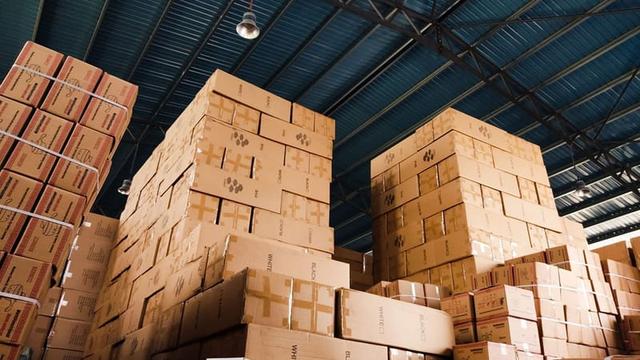
Okrika reaches traders in compressed, wrapped bales, sorted abroad by type (children's wear, jeans, ladies' tops, bags) and by grade. A Peoples Gazette special report from August 2021 said bales are packaged in grades, with first grade the most expensive, and that weight depends on origin: it cited unnamed online sources putting bales from China at 100kg and those from the UK and Germany at 55kg, with no fixed number of garments inside. The same report said traders bring bales in through neighbouring countries.
The buyer pays before seeing the contents. That is why bale-opening days matter so much in the markets, and why a News Agency of Nigeria report from Abuja in August 2025 drew a line between two kinds of seller. Peace Ugo, an okrika trader at Bwari market, told NAN that okrika sells faster by volume, while "thrift", described in the same report as hand-picked and often sold online, earns more on each piece. A student buyer in the same report put a selected thrift item at ₦3,500 or more, against about ₦1,000 or less for a piece picked from an open bale.
What the bale costs, by the figures that are public
There is no official price list for bales, and the numbers online disagree widely. The firmer ones come from named sources.
- January 2021: an Aswani dealer told BusinessDay a bale that had cost about ₦150,000 was selling for ₦200,000 to ₦300,000, depending on stock.
- August 2021: Peoples Gazette put bales at ₦80,000 to ₦150,000, depending on whether they held children's, women's or men's wear.
- February 2025: the price site Nigprices listed a 100kg first-grade bale in Lagos at ₦250,000 to ₦300,000, and "London", "Korea" and "China" bales at ₦550,000.
- 23 November 2026: Okrika Thrift Bale, a Lagos seller that also runs a store in Cotonou, lists most of its bales at ₦250,000 to ₦800,000 and its own sorted bales at ₦1,000,000, describing them as first grade only, from the UK or Canada.
These are not like-for-like. Grade, weight and origin differ, and the 2026 figure is one seller's asking price, not a market survey. No current price for a bale of shoes from a named source turned up, and none is given here.
At the stall, the rise shows in single items. In a NAN report from Dutse, Jigawa, in June 2026, retailer Danladi Musa said adult shirts had moved from ₦1,500 to ₦3,500 and trousers from ₦3,000 to ₦6,000.
Katangua, Yaba, Aswani and the days that matter
In Lagos, a handful of markets come up again and again in published guides.
- Katangua, Abule Egba: described by Peoples Gazette as one of the largest in Lagos. Zikoko, Peoples Gazette and the thrift platform Threddo all give Monday, Wednesday and Friday as the days new bales are opened. Threddo's August 2026 guide put T-shirts there at ₦500 to ₦3,000 and jeans at ₦2,000 to ₦8,000.
- Yaba: Zikoko's guide gives Wednesday and Friday mornings, and warns that newcomers can be quoted boutique prices. Peoples Gazette also names Tejuosho market.
- Aswani, on the Isolo-Oshodi axis: Tuesday mornings for new stock, according to Zikoko's December 2023 guide, with household goods sold alongside clothes.
- Arena, Oshodi: a warehouse market named by Peoples Gazette as another place to buy okrika.
Outside Lagos, a trader in the NAN report from Dutse named Kano as the source of most of the stock sold in Jigawa, and the Abuja reports cited here come from the Bwari and Nyanya markets. Market days can shift, so those above are as published, not confirmed on the ground this week.
Bought in dollars, sold in naira, banned at the border
The traders' own explanation for the price climb is the exchange rate. "They don't know that we buy in Dollars and sell in Naira," Ibe Innocent, secretary of the okrika section at Nyanya's open-space market in Abuja, told The Sun in June 2025, adding that import duties also feed in. The naira closed 2022 at ₦461.50 to the dollar at the official window, according to Nairametrics, before the Central Bank let it float in June 2023; it closed at ₦1,388 on 19 November 2026. The Jigawa traders added a second cost: transport fares, which NAN linked to petrol price rises.
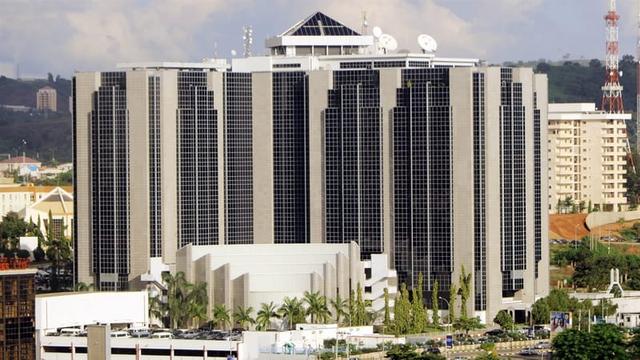
Then there is the law. The US Commerce Department's country guide for Nigeria, last updated in June 2023, lists second-hand clothing on the Nigeria Customs Service's "absolutely prohibited" list. A revised import prohibition list dated 1 April 2026, as reported by ThisDay, did not name used clothing among its categories; that trade list is separate from the absolute one, and the Customs website could not be opened today to check the current wording directly.
Enforcement, at least, is continuing. On 3 November, the acting Comptroller of the Federal Operations Unit, Zone A, Oladapo Afeni, announced four weeks of seizures that included 459 bales and 39 jumbo sacks of second-hand clothing. In June, the Cross River, Calabar Free Trade Zone and Akwa Ibom command reported 105 jumbo bales, and BusinessDay reported its controller, Giwa Dauda, as saying at a Calabar briefing that the operation was aimed at protecting local industries and safeguarding jobs. Both reports describe seizures of consignments; neither describes action against shoppers. So the clothes on the tarpaulin have, if the prohibition stands as that 2023 guide describes it, come in against the rules, and a seized container is one more risk priced into the bale.
What to watch from here is the exchange rate through December, when demand for Christmas clothes peaks, and whether Customs publishes its prohibition schedules in a form the public can check. Until a trader association or a statistics agency tracks bale prices, the best available guide remains the seller in front of you and the reports above, each with its date attached.
Also read: The naira slid to ₦1,388/$ this week, its weakest close since March. What dollar bills now cost
Also read: Black Friday ends 30 November on Jumia and Konga. How to test a discount and avoid fake links
Has the price of okrika changed where you shop, and what did your last pair of jeans cost? Tell us in the comments.