
• The Central Bank of Nigeria's Monetary Policy Committee is scheduled to hold its 308th meeting on Monday 23 and Tuesday 24 November 2026, its last scheduled meeting of the year, with the benchmark Monetary Policy Rate at 23% after a 3.5-point cut in September.
• A hold would leave the minimum interest on an ordinary bank savings account at 6.9% a year, while a half-point cut or rise would move that floor to 6.75% or 7.05%; loan rates, which Nairametrics put at about 20% to 46% across banks, follow more slowly and by each bank's own decision.
• The outcome is not known as this is published: analysts quoted by Nairametrics and MarketForces Africa mostly expect a hold and a few allow for a cut, but those are forecasts, not the committee's decision.
A trader in Ikeja with a bank overdraft, a civil servant with a salary-backed loan and a parent with a school invoice priced in dollars do not usually follow central bank meetings. This week all three have a reason to check the news on Tuesday afternoon.
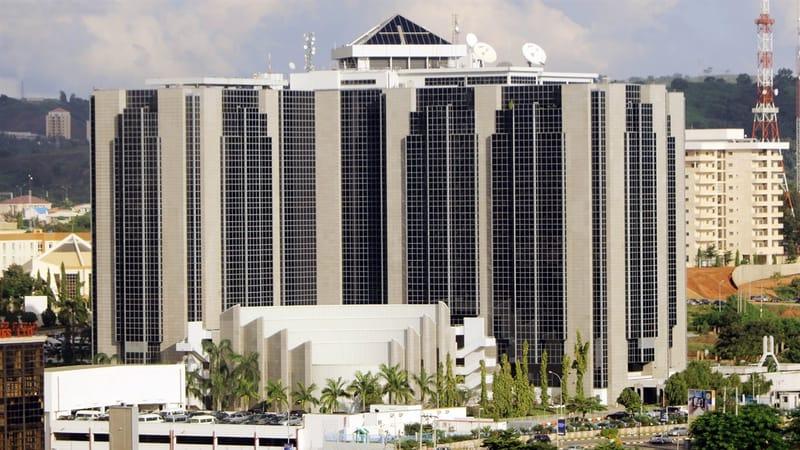
The Central Bank of Nigeria (CBN) committee that sets the country's benchmark interest rate was scheduled to begin a two-day meeting in Abuja on Monday 23 November, according to a Daily Trust report on the meeting schedule, which said the first session would open at 10am on Monday and the second at 8am on Tuesday. The decision is expected on Tuesday 24 November. It had not been announced when this article was written.
The 23% rate is only two months old
The Monetary Policy Rate (MPR) is the rate around which the CBN lends to and takes deposits from banks. It stood at 26.5% until 22 September, when the committee cut it by 350 basis points, or 3.5 percentage points, to 23%. Nairametrics described that as the largest cut since December 2006.
The CBN did not present it as the start of a run of cuts. Nairametrics reported that the bank described the move as an operational reset, meant to restore the MPR as the effective benchmark for market interest rates. The committee also kept the cash reserve ratio, the share of deposits that commercial banks must park with the CBN, at 45%.
Since then, headline inflation has slowed to 14.06% in October from 14.63% in September, the lowest reading in more than six years, though prices rose faster month on month. The naira has moved the other way, which is where our report on the naira's slide to ₦1,388/$ left off.
What analysts expect, and why that is not the decision
Most forecasts published before the meeting point to no change. A Nairametrics survey of analysts found all five market experts it first spoke to expected a hold at 23%. Of three more it interviewed after the October inflation figure, two expected a hold or, at most, a small cut, and one said another cut remained possible if the slowdown lasts.
"I do not anticipate another aggressive reduction of the magnitude of the previous 350bps cut," Francis Nkem, an investment analyst at Iron Capital Asset Management, told the outlet. Igho Erakpotobo of Futureview Financial Services said a 50-basis-point cut was possible but a large one unlikely.
MarketForces Africa reported on Sunday that Cowry Asset Management and Coronation Merchant Bank's research arm both expect the rate to stay at 23%. The reasons given across these reports were similar: the weaker naira, year-end dollar demand and spending ahead of the 2027 elections. None of the analysts named in the reports we read forecast a rise.
The committee has 12 members and decides by majority vote. It is not bound by any forecast, and the CBN has said only that future decisions will be "data dependent".
Three outcomes for a loan and a savings account
Savings accounts have the most direct link. Under a CBN rule in force since August 2022, banks must pay at least 30% of the MPR on ordinary savings. At 23%, that floor is 6.9% a year. The sums below use a half-point move in either direction purely as an illustration, not a prediction.
- A hold at 23%: the floor stays at 6.9%. On ₦500,000 left untouched for a year, that is ₦34,500 before any deductions.
- A cut to 22.5%: the floor falls to 6.75%, or ₦33,750 on the same balance, ₦750 less.
- A rise to 23.5%: the floor moves to 7.05%, or ₦35,250, ₦750 more.
Banks can pay above the floor, and savings apps and Treasury bills set their rates differently. Our guide to what Nigerian savings earn now covers those.
Loans are less mechanical. A week after the September cut, Nairametrics reported that banks had not lowered lending rates, which it put at about 20% to 46% depending on the customer and the bank. One senior official at a large bank told the outlet the only rate likely to drop for now was the savings rate tied to the MPR. Another said any review of loan pricing would be decided by the bank's asset and liability committee.
So a hold most likely leaves an existing loan where it is. A cut gives banks room to reprice but does not oblige them to, and September's experience suggests borrowers may wait. A rise would push up banks' own cost of funds, and a loan with a variable rate could be repriced upward if its terms allow. In plain arithmetic, half a percentage point on a ₦1 million balance is ₦5,000 a year in interest, in either direction.
The dollar bill is the indirect one
No MPC decision sets the exchange rate. The link is indirect: higher naira interest rates can make naira assets more attractive to investors who bring in dollars, while lower rates can do the opposite. That is why several analysts cited the naira as a reason to expect caution.
The currency went into the meeting under pressure. Nairametrics' report on Friday's trading said the naira touched ₦1,400 to the dollar during the session on 20 November and closed at ₦1,394, from ₦1,360 on Monday 16 November. Other measures of Friday's rate were slightly lower: the same report gave a simple average of about ₦1,391, and MarketForces Africa quoted ₦1,389 at the close. The same report said the CBN sold $1.30 billion into the market during the week.
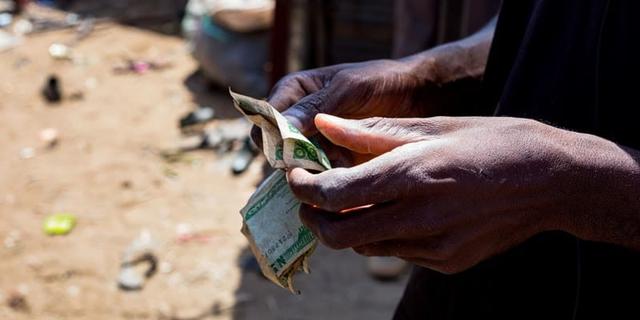
For someone paying a $100 bill, the move from ₦1,360 to ₦1,394 is ₦3,400 more before bank or card charges. A hold or a rise would not reverse that on its own, and a cut would not automatically worsen it. Dollar supply, reserves and December demand all weigh on the rate alongside interest rates.
The thing to watch on Tuesday is not only the headline number. The committee's statement is also expected to say whether the cash reserve ratio and the band around the MPR have changed, and how the CBN now describes the September cut. After that, the test is practical: whether banks write to customers about new savings or loan rates in the weeks that follow, and where the naira closes on Wednesday.
Also read: Nigeria's inflation slowed to 14.06% in October. Monthly price growth sped up
Also read: Treasury bills cleared at up to 15.89% on 11 November. What that means for ₦100,000
Has your bank changed your loan or savings rate since the September cut? Tell us in the comments.