• As of 23 November 2026, Sun King Nigeria lists solar kits from ₦70,000 for a three-light system to ₦2.95m for a 3.3kW inverter with a 5kWh battery, while Lagos installer PVPRO lists installed lithium packages from ₦3.74m for 2.5kW to ₦4.71m for 5kW, with larger systems priced higher.
• Sun King's weekly-payment plan puts a 600W unit at ₦45,000 down and ₦18,000 a week for 80 weeks, which adds up to ₦1.485m against ₦900,000 paid upfront, so spreading the cost adds ₦585,000.
• A small petrol generator that burns four to five litres a night would use about ₦156,000 to ₦195,000 of fuel in 30 days at ₦1,300 a litre, but that sum rests on one consumption estimate, and no listed solar package promises to run every appliance through the night.
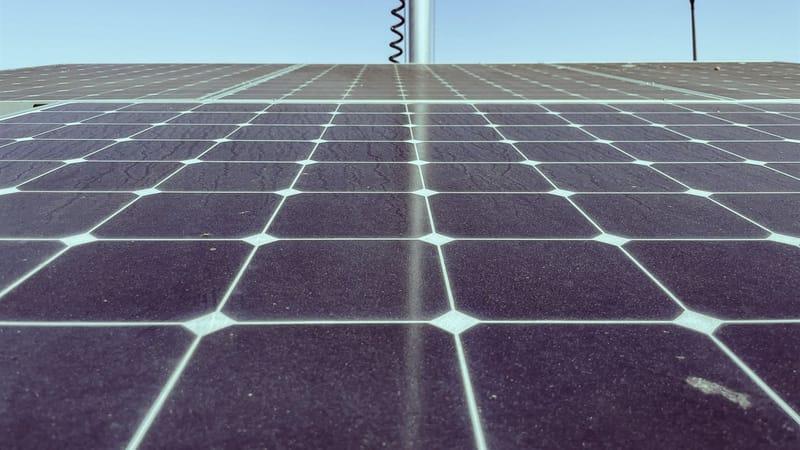
It is a little after seven in the evening and the light has gone again. On one side of the compound someone is pulling a generator's starter rope for the third time. On the other, a neighbour's fan keeps turning, fed by a battery in the corridor and panels nobody notices on the roof.
The gap between those two households is mostly a question of money, and when it is paid. TheRadar checked what named sellers were listing on Monday 23 November 2026, starting with PVPRO Nigeria's Lagos installation price page, which the Ikeja company marks as updated this month and describes as indicative, subject to confirmation.
The bottom rung is lights and phones, not a fridge
The cheapest solar most Nigerian households meet is not an inverter at all. Sun King's Nigeria price page lists its HomePlus kit at ₦70,000 upfront, for three lights and USB phone charging. The HomePlus Max, at ₦185,000, adds tube lights, a security lamp and support for a compatible TV, fan and radio.
The first product on that page that behaves like a small inverter is the PowerPlay Pro, a 600W unit with an 800Wh battery, listed at ₦900,000. Sun King says it can run phones, laptops, a TV and a small fridge. Above it sit the PowerHub Core, 2kW with a 2.5kWh battery, from ₦2.275m, and the PowerHub Plus, 3.3kW with a 5kWh battery, from ₦2.95m. The company says installation is included in each price.
A listed, named package at exactly 1kVA was not found in today's checks. The nearest figure is an indicative one: solar blog solarinverter.ng, citing installer PureWatts, puts an installed 1.5kVA system with about 1.7kWh of battery at ₦718,148 to ₦971,612. That is one secondhand estimate, not a quote.
Lithium is where the millions go
Once a household wants a fridge, a freezer or an air conditioner on the system, the listed prices move into millions, and the battery is the main reason.
PVPRO's page lists a 2.5kW package at ₦3,738,294.69, with four 620W panels and 4.8kWh of lithium iron phosphate battery. Its 4kW package, with the same battery and eight panels, is ₦4,470,394.69. The 5kW package, with eight panels and a 10kWh lithium battery, is ₦4,705,533.60. Larger packages on the same page run to ₦9,290,212.78 for 11kW. The company says each price covers delivery, cabling, breakers, mounting and installation. It describes only "selected" air-conditioning loads as possible from 5kW up.
Battery chemistry explains much of the spread between sellers. SolarBuilders.ng, a Gbagada, Lagos seller whose price guide is dated October 2026, puts a 200Ah tubular lead-acid battery at ₦160,000 to ₦300,000 and a 5.12kWh lithium module at ₦1,049,600 to ₦1,408,000. It lists lithium with a life of more than 10 years and argues tubular batteries need replacing sooner, without giving a figure. The same guide prices a 1.5kVA to 2.5kVA system with 5kWh of lithium at ₦2.05m to ₦3.95m installed.
These are sellers' own numbers. Packages with the same kVA label often carry different panel counts and battery sizes, so two prices for "5kVA" may not describe the same thing.
Paying weekly costs more than paying once
Few households have ₦900,000 to hand, which is why pay-as-you-go matters. Sun King's plan, EasyBuy, takes a deposit and then weekly payments.
On the company's listed terms, the PowerPlay Pro needs ₦45,000 down and ₦18,000 a week for 80 weeks. That totals ₦1.485m, ₦585,000 more than the upfront price. The PowerHub Core needs ₦113,750 down and ₦45,500 a week for 80 weeks, a total of ₦3,753,750 against ₦2.275m upfront. The ₦70,000 HomePlus comes to ₦123,500 over 60 weeks at ₦2,000 a week after a ₦3,500 deposit.
The generator is cheap to buy and expensive to feed
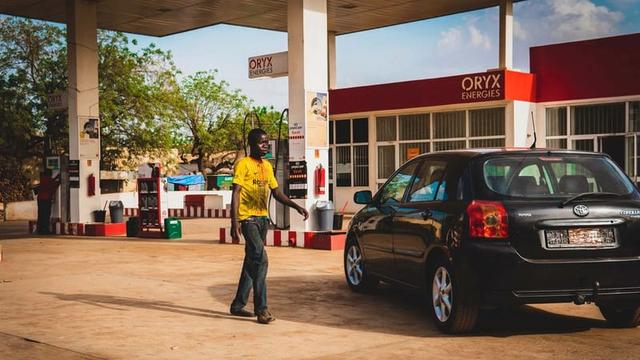
A small petrol generator costs far less at the counter. On Jumia on Monday, listings showed a 1kVA Sumec Firman ECO1990S at ₦198,283, a 1.2kVA SPG1800 at ₦210,000 and a 2.5kVA SPG3000 from ₦322,510.
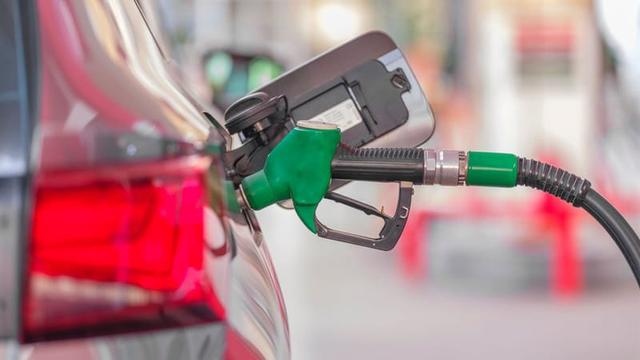
Fuel is the running bill. Reports last week put NNPC stations at ₦1,289 to ₦1,300 a litre in Lagos and ₦1,300 in Abuja, with other brands between ₦1,290 and ₦1,385. Lagos energy firm Lenol estimates that a 2.5kVA petrol generator uses roughly 0.8 to 1 litre an hour. That is a single estimate, and real use varies with load and the machine's age.
On that estimate, five hours a night burns four to five litres. At ₦1,300 a litre that is ₦5,200 to ₦6,500 a night, or ₦156,000 to ₦195,000 over 30 days, before engine oil, plugs and repairs. Over 80 weeks, the same habit would cost roughly ₦2.9m to ₦3.6m in petrol if the pump price stood still, which it rarely does.
The comparison has limits. A generator runs an iron or a pumping machine on demand. A small solar system depends on sun, battery size and what is plugged in. A BusinessDay report on a ZE-Gen study put Nigeria's generator fuel bill at about $8bn a year across 17 million households and 41 million small businesses. It said 20% of surveyed customers stopped using generators after fuel price rises, but only 5% had moved to solar, and it named high upfront cost and rigid financing as the obstacles.
What to watch is which number moves first. Dangote's loading price fell to ₦1,070 a litre on 20 November, and the last pump surveys seen, taken a day earlier in Abuja, showed cuts of ₦25 to ₦35. Solar sellers, for their part, label their lists indicative and tie them to import costs. A household doing this sum in January may find both sides of it have changed.
Also read: Dangote's depot petrol price fell N140 in five days. Abuja pumps moved N25 to N35
Also read: NISO says Friday's blackout was line trips, not a grid collapse. What Band A customers can do
How much does your household spend on generator petrol in a month, and has it pushed you towards solar? Tell us in the comments.