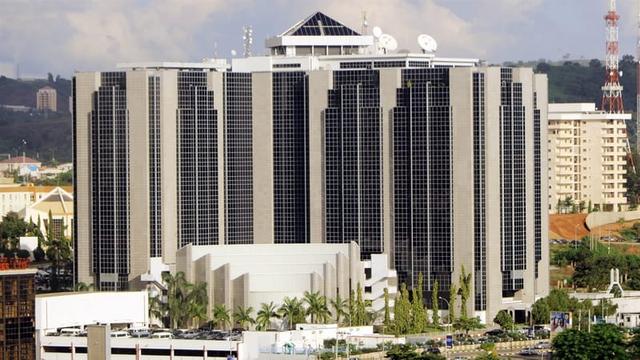
• Central Bank of Nigeria Governor Olayemi Cardoso told an ECOWAS meeting in Abidjan on Friday 20 November that countries putting the most money and reserves into the planned Eco single currency should get a matching voice in how it is run.
• ECOWAS is working towards a phased launch from 2027, with 1 July 2027 reported as the proposed rollout date, and only countries that meet agreed economic targets would join the first phase.
• No conversion rate, no new notes and no switchover date for Nigerian bank accounts have been announced, and it is not yet decided which countries will be in the first group.
Somewhere in Lagos, a trader who buys stock from Cotonou is changing naira to CFA francs at the border, losing a slice of every bundle to the exchange. A single West African currency has been promised for more than two decades as the fix for that kind of cost. This week the governor of Nigeria's central bank put that promise back in the news.
Olayemi Cardoso spoke at the ministerial session of the sixth Presidential Task Force meeting on the ECOWAS Single Currency Programme, held in Abidjan, Côte d'Ivoire, on Friday 20 November. Finance ministers and central bank governors from member states on the task force attended. The CBN released his remarks in a statement on Sunday 22 November, according to Nairametrics; the date and venue are also given in BusinessDay's account of the Abidjan meeting.
A seat at the table, not a new currency
Cardoso's speech was about how the planned ECOWAS Monetary Union would be governed. It did not announce anything about when Nigerians would use a new currency. According to BusinessDay and Nairametrics, the meeting looked at where the union's institutions would be located, who would lead them, and how power and responsibilities would be shared among member countries.
His argument was that each country's say should reflect what it puts in. "While bigger economies continue to take up the burden, they should also be considered to play a significant role," he said, as quoted by both outlets. He also warned that "where obligations are shared but influence is not, arrangements may be agreed, but their long-term sustainability may be difficult to guarantee," according to Voice of Nigeria.
Cardoso said Nigeria would commit significant financial resources, foreign reserves and institutional capital to setting up the Eco. He said countries making such commitments have to be able to justify them to their parliaments and citizens. He presented the position as reflecting Nigeria's responsibility as West Africa's largest economy, not a bid for dominance, and said, "We remain fully committed to the successful establishment of the ECO," according to Voice of Nigeria and Leadership.
The dates that are actually on the table
The calendar is the part most readers will want to pin down, and it is less settled than it may sound. In September, ECOWAS's Convergence Council met by videoconference on 7 September and said the goal of launching the Eco in 2027 "remains achievable", according to Nairametrics' report on that session. The same report gives 1 July 2027 as the proposed rollout date.
The plan is phased. Only member states that meet agreed economic targets, known as convergence criteria, would adopt the Eco first; others would be helped to join later. Ecofin Agency reported in July that heads of state reaffirmed 2027 but did not name the first group of countries. Earlier talks in Monrovia had floated a first phase of Nigeria, Ghana, Liberia, Sierra Leone, Guinea and The Gambia, but that list was left out of the final communiqué.
The next big date is the ECOWAS ordinary summit scheduled for December 2026; Ecofin Agency reported in July that the Presidential Task Force would meet before it. Many questions are still open: who governs the common central bank, how votes are counted, and how the Eco would sit alongside the CFA franc, which eight West African countries already share.
The Eco also has a long record of slipping. The single currency project has missed several target dates since the early 2000s, and the 2027 timeline is itself the result of an earlier reset.
What would change for the naira in your pocket
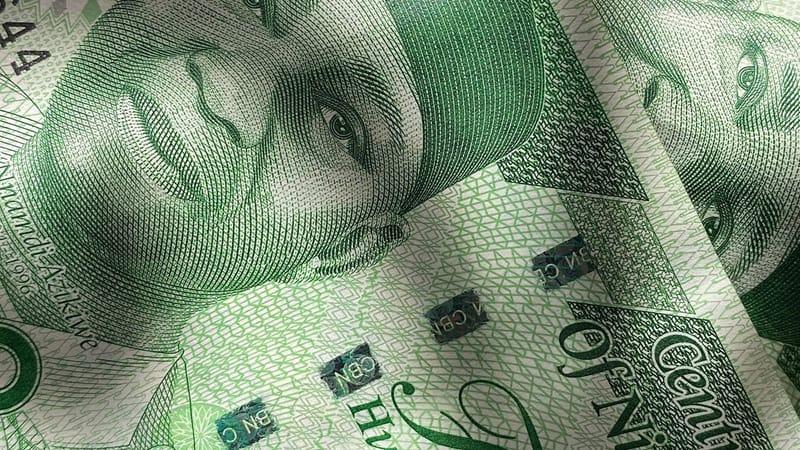
For now, nothing. The naira remains Nigeria's currency, and none of the reports on the Abidjan meeting mentions a conversion rate, new notes, a changeover date for bank accounts or any change to how the naira is traded. Prices, salaries, savings and loans in Nigeria are still set in naira.
If Nigeria did join a working Eco in future, the main promise is on cross-border costs. Nairametrics, summarising the project's stated aims, lists easier trade across the region, lower transaction costs and faster economic integration. In practice, that would matter most to people who trade, travel or send money between West African countries, like the Cotonou-bound trader above, because they would no longer need to change money at each border.
A shared currency would also mean decisions about interest rates and the currency would be taken jointly by the union rather than by the CBN alone. That is the background to Cardoso's demand for a bigger say: whoever controls the union's institutions would influence the money Nigerians hold. How that power would be split is exactly what the Abidjan meeting was still debating.
The test Nigeria would have to pass first
Joining the first phase depends on meeting the convergence criteria. ECOWAS's targets, as listed in the West African Monetary Agency's convergence report for 2022, include average annual inflation of no more than 5 per cent, a budget deficit of no more than 3 per cent of GDP, limits on central bank lending to government, and foreign reserves covering at least three months of imports.
On inflation, Nigeria's latest figure is above that line. The National Bureau of Statistics put headline inflation at 14.06 per cent in October 2026, down from 14.63 per cent in September, according to P.M. News' report on the October figures. The ECOWAS test is based on an annual average rather than a single month, and no ECOWAS body has published a 2026 ruling on which countries qualify.
That leaves the reader with a plan, a proposed date and a negotiation. It is not yet known whether Nigeria will be in the first group, what rate naira would be converted at if it were, or how long any changeover would take.
The next thing to watch is what comes out of the Abidjan talks ahead of the December ECOWAS summit, and whether leaders name the first countries and settle who runs the union's institutions. Until then, the naira in Nigerian accounts is unaffected by the Abidjan talks.
Also read: The naira slid to ₦1,388/$ this week, its weakest close since March. What dollar bills now cost
Also read: CBN decides on its 23% rate on Tuesday. What a hold, cut or rise means for loans and savings
Would a single West African currency make your trade or travel cheaper, or would you rather keep the naira? Tell us in the comments.