• The Central Bank of Nigeria's Monetary Policy Committee kept the monetary policy rate at 23% at its 308th meeting on Tuesday 24 November, two months after a 350-basis-point cut from 26.5%.
• The committee also left the corridor around the rate at +50 and -300 basis points and kept the cash reserve requirement at 45% for commercial banks, 16% for merchant banks and 75% for non-TSA public sector deposits.
• The hold does not change what any bank charges or pays on its own; loan and deposit rates are set bank by bank, and the full communique, with each member's vote, had not been posted on the CBN website when this was written.
A trader in Onitsha waiting on a bank's reply to a working-capital loan, and a civil servant in Ibadan checking what his savings account paid this month, got the same answer from Abuja on Tuesday afternoon: nothing new for now.
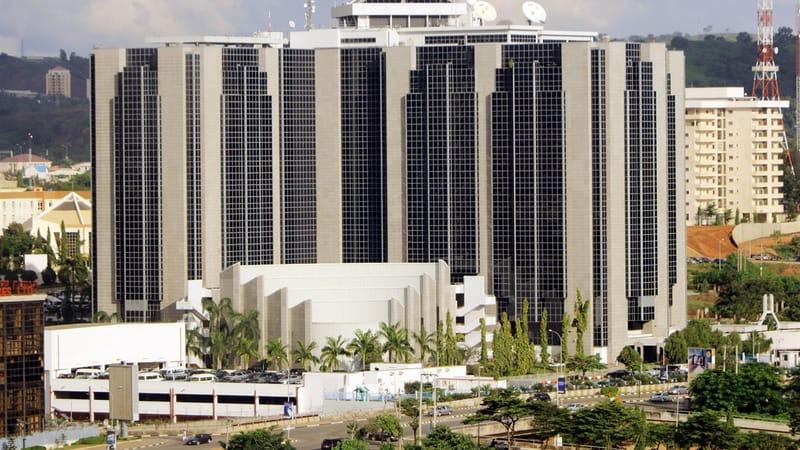
The Central Bank of Nigeria left its benchmark interest rate at 23%, Governor Olayemi Cardoso announced after the two-day meeting of the Monetary Policy Committee (MPC), the last of 2026. Nairametrics reported the decision as the outcome of the committee's 308th meeting, and TVC News and Business Post carried the same figure shortly after 2pm.
The rate and the rules around it stayed where they were
The monetary policy rate (MPR) is the rate the CBN uses to signal how expensive it wants money to be across the economy. It stays at 23%, the level set on 22 September, when the committee cut it from 26.5% in what the bank called a reset meant to make the MPR the real anchor for market rates.
Nothing else on the main dial moved either. The standing facilities corridor, the band that decides what banks pay to borrow overnight from the CBN and what they earn for parking cash with it, stays at +50 and -300 basis points around the MPR. In plain numbers, that means banks borrow from the CBN's window at 23.5% and earn 20% on deposits left there. The CBN's own page shows the corridor was set at that width in September.
The cash reserve requirement, the share of customer deposits banks must leave frozen at the CBN, also stays at 45% for commercial banks, 16% for merchant banks and 75% for public sector deposits outside the Treasury Single Account, according to BusinessDay, TVC News and The Fact. BusinessDay also reported that the liquidity ratio was kept at 30%; no other report opened for this story mentioned it, and the CBN had not yet posted the communique to confirm it.
Why the committee chose to wait
According to BusinessDay's report on the decision, Mr Cardoso said members unanimously agreed to retain the rate. That is the only report seen so far that gives the vote; Economic Confidential and The Whistler said 10 members attended. Business Post reported that the committee wanted to further monitor the impact of September's cut before doing more.
Reports of the governor's remarks give two main reasons. Headline inflation has slowed for five months in a row, which he credited partly to a steadier exchange rate and better transmission of policy. But, as Economic Confidential and The Whistler reported, prevailing economic headwinds have slowed the pace of that easing, so the committee chose to hold its stance and keep inflation expectations anchored. The National Bureau of Statistics put October inflation at 14.06%, down from 14.63% in September.
Analysts had largely expected this outcome. According to BusinessDay, analysts said inflation was not yet falling fast enough to justify another cut, pointing to higher global oil prices, transport and energy costs, and the risk that spending ahead of the 2027 elections could push prices up again.
The naira is the quiet reason in the room
The currency has been under pressure this month. BusinessDay reported the official market rate at ₦1,394.01 to the dollar on Monday, weaker than ₦1,389.73 on Friday, and said external reserves had extended their decline.
At the post-meeting briefing, Mr Cardoso described the fall in reserves and the recent swings in the naira as "transient", according to The Whistler. He put reserves at between $54 billion and $55 billion, roughly 10 months of import cover, and linked the pressure to year-end moves by portfolio investors, businesses hedging ahead of the new year and election-related spending. He said he expected the volatility to ease into 2027. Those figures come from one report and should be checked against the CBN communique when it is posted.
A rate that stays high keeps naira assets such as Treasury bills more attractive to investors than they would be after another cut. That can help support the currency, and holding at 23% keeps that support in place for now, but it is not a promise about where the naira trades next week.
What the hold means for a loan or a savings account
For borrowers, the short answer is that nothing changes automatically. Banks price loans on their own risk assessments and funding costs, and our preview, published on 23 November, noted that a week after September's cut, Nairametrics put lending rates at about 20% to 46% depending on the customer and the bank. A hold gives banks no new reason to cut or raise those rates, so any change on a personal loan, overdraft or business facility will come from the bank, not from Tuesday's decision.
For savers, the floor stays where it is. Under a CBN rule in place since August 2022, reported at the time by ThisDay and Nairametrics, banks are meant to pay at least 30% of the MPR on ordinary naira savings. At 23%, that works out to 6.9% a year, well below October's 14.06% inflation. Reports over the years have shown that not every bank pays the floor in practice, and the rule can stop applying when a customer makes more than four withdrawals in a month.
For anyone holding fixed deposits, money-market funds or Treasury bills, the hold means the main benchmark those products price against has not moved. Their yields still depend on each auction and each provider. This is a description of the rules, not advice on where to keep money.
The next scheduled test is the first MPC meeting of 2027, when the committee will have November and December inflation figures and a clearer view of how the naira behaved through the festive season and the run-up to the elections. Until then, the CBN's published communique, expected on its website, is the place to check the full vote and confirm the liquidity ratio.
Also read: CBN decides on its 23% rate on Tuesday. What a hold, cut or rise means for loans and savings
Also read: What Nigerian savings earn now: T-bills, apps and banks against 14.06% inflation
Has your bank changed what it charges or pays you since September's cut? Tell us in the comments.