• A national price tracker listed an average of ₦79,429 for a 50kg bag of rice on 24 November 2026, with Bauchi cheapest at ₦74,916 and Mile 12 in Lagos highest at ₦86,045, though only two of its 37 market prices are observed rather than modelled.
• Reports from grain markets in Kano, Katsina and Benue published on 21 November show local rice rising in most northern markets while paddy rice fell in Makurdi, which suggests a bag costs very different amounts depending on the type and the town.
• None of these figures is a shelf price at a named supermarket or a quote you can rely on at your own market, and TheRadar could not confirm a single national price for a 50kg bag of imported rice this week.
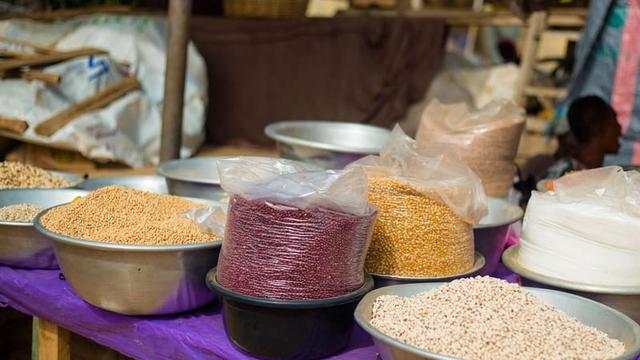
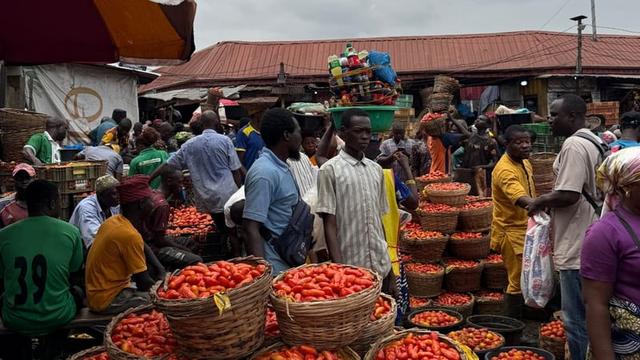
A shopper in Ibadan or Enugu who wants to stock up before December opens a price page on a phone and sees a number in the high ₦70,000s. At the market stall the trader quotes something different, and the two never quite match.
The number comes from Useagrios, a price tracker that lists a daily average for a 50kg bag of rice across 37 Nigerian markets. Its rice page for 24 November 2026 gave an average of ₦79,429, or about ₦1,589 a kilogram. The same page says the average rose about 0.2% in seven days and about 12.1% in 21 days.
Where the cheapest and dearest bags sit
On that 24 November snapshot, the cheapest listed market was Muda Lawal in Bauchi at ₦74,916, followed closely by Kaduna Central at ₦74,962 and Gombe Main at ₦74,988. Dawanau in Kano was listed at ₦75,675 and Katsina Central at ₦75,701.
The dearest were in the south and the capital. Mile 12 in Lagos was listed at ₦86,045, Garki Model Market in the FCT at ₦84,536, and Oil Mill Market in Rivers at ₦83,943. Bodija in Oyo sat at ₦78,094 and Onitsha Main in Anambra at ₦80,482. The tracker's northern markets are the cheapest and its southern and capital markets the dearest, though most of those figures are modelled.
Why the headline number needs a warning
The tracker is open about how it works. It says that only two of the 37 prices are observed, both from World Food Programme data: Monday Market in Borno at ₦79,885 and Damaturu Central Market in Yobe at ₦84,968. The other 35 are modelled estimates built from seasonal and regional patterns, and the page labels the trend "Estimated".
That makes the figure a good guide to direction and a poor guide to what one trader will charge. A rise of 12.1% over three weeks is a signal worth watching, but it is not a count of what bags actually sold for in Mile 12 or Bodija on a given day.
What grain traders reported on the ground
For prices that traders actually quoted, the best recent source TheRadar opened is a 21 November report in Parrot Nigeria, with the Benue section credited to Daily Trust. It says grain prices had fallen to record lows over the past two years after a 150-day federal import waiver, and have now begun to rise even though harvest is under way.
In Kano, local milled rice at Dawanau was ₦104,000 to ₦108,000 per 100kg, and up to ₦116,000 for better quality, against ₦85,000 to ₦90,000 earlier. At Singer Market, Gerawa rice was ₦60,000 a 50kg bag, up from ₦55,500, and Rano rice ₦62,000, up from ₦59,000. At Katsina Central, grain merchant Malam Shamsu Abdullahi's quote for local milled rice moved from ₦98,000 to ₦100,000 per 100kg to ₦110,000 to ₦120,000.
Benue told a different story. In Makurdi and nearby markets, paddy rice, which is unmilled, was ₦45,000 for 50kg, down from ₦55,000 in September and October. Local rice in the same report was ₦58,000 for 50kg, up from ₦52,000 in October. Otukpo dealer Charity Jeremiah attributed the changes to new harvests.
Lagos figures that do not match
Lagos adds a further wrinkle. Legit.ng's report published on 2 November, covering the fourth week of October, listed imported long-grain at ₦53,375 for 50kg and Nigerian-manufactured rice at ₦51,285.71. The article did not say who supplied the figures.
Those numbers are far below Useagrios's ₦86,045 for Mile 12, and they pre-date the November increases reported elsewhere. Part of the gap may be timing and part may be the way each series is built, but TheRadar could not establish which. A News Agency of Nigeria survey on 12 November, as reported by TheRadar, put foreign rice at ₦95,000 to ₦110,000 per bag in some Abuja markets, which shows how wide the spread is.
What this means before you buy
For a household, the practical reading is that a 50kg bag of local rice is probably somewhere between the high ₦50,000s and the ₦80,000s depending on the town and brand, and that imported brands can cost more. The only price that counts is the one the seller will give you, so ask for the brand, the bag size and the date of the last restock before you pay.
The Parrot Nigeria report quotes a dealer who expects prices to rise next year before the rainy season, when current stocks run out, but that is one dealer's expectation and not a forecast from an official body.
Also read: A Lugbe trader in Abuja says foreign rice hit ₦90,000 a bag in a week. The festive basket so far Also read: In Lagos, one bag of onions now costs more than four bags of rice. Why stew got expensive
What is a 50kg bag of rice costing you in your market this week? Tell us the town and brand in the comments.