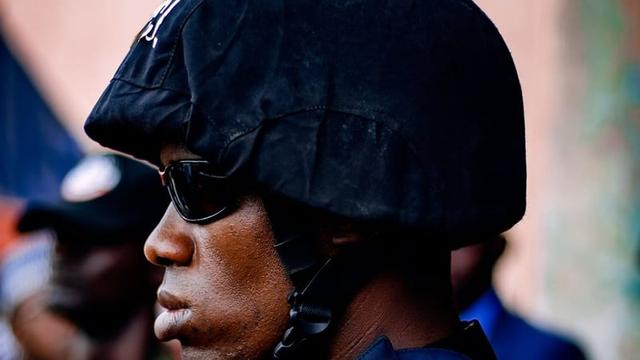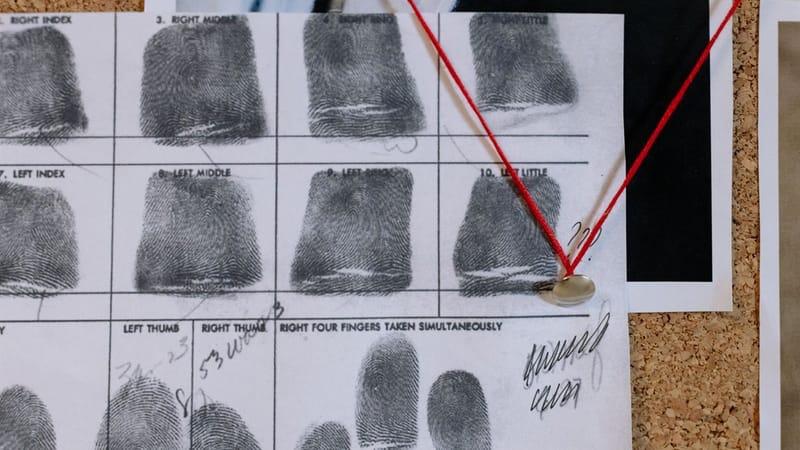


• The Nigeria Police Force issues its police character certificate through the Police Specialised Services Automation Project (POSSAP) portal at possap.gov.ng, where applicants register with a NIN, BVN or international passport, pay one invoice online and then go in person for fingerprint capture at the command they picked.
• 2026 guides put the fee at ₦30,000, and FIJ reported in 2024 that the POSSAP site listed that amount, but the police guidance reported in July 2026 gives no figure, so the figure on the POSSAP invoice is the one that counts, and the Force says nothing extra should be paid at a police station.
• The UK and Canada both want the certificate for the applicant's current country issued within six months before the application, so getting it too early can cost a second fee, and older UK and Canadian government pages that still describe walk-in or postal routes have not been updated for POSSAP.
A nurse in Ibadan has her UK job offer, her English test result and her passport ready, and then the visa checklist asks for a criminal record certificate from every country she has lived in. In Nigeria that document is the police character certificate, and for most applicants it now starts on a phone, not at a police counter.
The Nigeria Police Force has pushed applicants to the online route. In guidance reported by Legit.ng on 30 July 2026, the Force told applicants to use only the official POSSAP portal for submissions and payments, and said they "should not pay any extra fees at police commands" for biometric capture or for collecting the certificate. The steps and figures below were checked as of 25 November 2026.
The online part takes one sitting
Based on the police guidance reported by Legit.ng, the process runs like this:
- Open possap.gov.ng and fill in the request form with your personal and identification details.
- Give a valid ID: your NIN, BVN or international passport. The form also asks for your full name, phone number, email, gender, state of residence, local government area and home address.
- Choose the character certificate service, check your details and generate a payment invoice.
- Pay that invoice on the POSSAP platform.
- If you live in Nigeria, go in person on your appointment date to the police command or formation you chose, for biometric capture.
- Wait for the certificate to be processed and issued.
Guides published this year by Pulse Nigeria and Techmoonshot add the practical details. Fingerprinting is done at a State CID, the Force CID at Alagbon in Lagos, or Force Headquarters in Abuja, depending on what you selected. Applicants are told to bring the printed confirmation, the payment receipt, the original ID and a passport photograph. Pulse says the finished certificate arrives as a PDF by email or can be downloaded from the POSSAP account, so the email address you register with matters.
The Force has also warned that false information or forged documents lead to automatic rejection. Details on the form should match the ID exactly.
What it costs, and how long it takes
The police guidance describes a one-time, non-refundable fee paid only through the POSSAP invoice, but does not state the amount. Pulse and Techmoonshot, both writing in 2026, put it at ₦30,000. In July 2024, the Foundation for Investigative Journalism (FIJ) reported that the POSSAP website listed a non-refundable ₦30,000 application fee, and an FIJ report the following month described an applicant holding a ₦30,000 POSSAP receipt. TheRadar did not find a 2026 police statement confirming the amount. Some private filing services charge more than that because they add their own service fee on top.
For Nigerians abroad, the portal has a diaspora option. Pulse puts the diaspora fee at about $75, and other dollar figures circulate online, so treat any number as provisional until the invoice appears.
On timing, the police guidance says processing takes a minimum of 72 hours after all requirements are complete. Pulse puts it at three to seven working days after biometric capture, and Techmoonshot says many applicants report five to ten working days. Anyone with a visa appointment should not leave it to the last week.
Six months is the clock that matters
There is no single validity period printed in police rules that every country accepts. Guides commonly say three months. In practice, the receiving country sets the deadline.
United Kingdom. UK Visas and Immigration's criminal record certificate guidance, updated on 11 November 2025, requires one for Skilled Worker applicants in listed health, education and social care jobs, such as nurses, doctors, teachers and senior care workers, and for their partners. It also covers some investor and entrepreneur routes. Applicants need a certificate from every country where they spent 12 months or more in the last 10 years while aged 18 or over. For the country where you live now, it must be issued no earlier than six months before the application.
Canada. IRCC's Express Entry police certificate page, updated on 16 October 2026, asks permanent residence applicants and family members aged 18 and over for a certificate from every country where they stayed six months in a row or longer in the last 10 years. For the current country of residence, it must be issued no more than six months before the application is submitted. Officers can ask for more.
United States. The State Department publishes Nigeria-specific police record rules for immigrant visa applicants in its reciprocity schedule, but TheRadar could not load that page or the US Consulate Lagos pages today, so applicants should check the current rules on age, residence period and how recent the certificate must be in their own appointment instructions.
Some official pages are out of date. Canada's Nigeria page, last modified in 2020, still describes applying in person at the Central Criminal Registry in Ikoyi or by post with a money order. The UK's Nigeria entry, last updated in 2015, still lists a ₦1,500 fee. Neither mentions POSSAP.
Agents, fake certificates and the cash at the counter
The certificate has a history of fraud. In July 2024, FIJ reported that its reporter paid ₦45,000 in a deal arranged by an officer attached to the Force CID and received a certificate for a man held in Kirikiri prison, with no fingerprint capture. In the same report, FIJ described an applicant who got a fake certificate from people claiming to act for the police; FIJ said the UK Embassy flagged the fake document and banned the applicant from entering for 10 years. In August 2024, FIJ said an officer at a Lagos area command rejected a ₦30,000 POSSAP receipt and asked for ₦80,000. Officers at the Force Intelligence Bureau promised to investigate, according to FIJ.
The warning signs follow from the police's own rules. Pay only the invoice POSSAP generates. Type the portal address yourself rather than following a link from a WhatsApp message or a social media advert. Anyone who offers a certificate without fingerprints, or asks for cash at a station, is asking for something the Force says is not required.
For now, the safest order is the dull one: wait until the visa or job file is nearly ready, apply on possap.gov.ng, attend the fingerprint appointment, and check the destination country's six-month rule before paying. Anyone abroad should confirm with their nearest Nigerian mission how fingerprints are taken where they live.
Also read: A Nigerian passport costs ₦100,000 or ₦200,000 in 2026. How to apply, and what is not a fee
Also read: A UK visit visa costs about ₦246,000. What student and skilled worker visas add up to
Has anyone at a police station asked you to pay more than the POSSAP invoice for your character certificate? Tell us in the comments.