
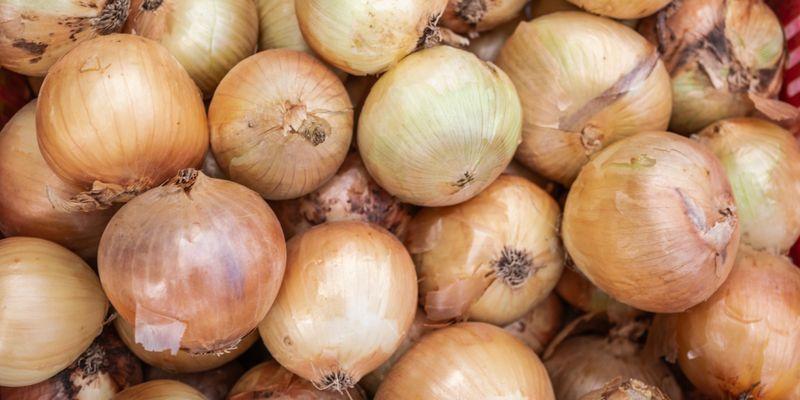
• A 100kg sack of onions sold for ₦320,000 in two Lagos markets in October, up from ₦65,000 in September, according to a BusinessDay survey.
• Farmers and traders blame a poor harvest, weak storage and the cost of moving produce south, and some growers expect prices to ease around December.
• The survey covers two markets and is not official data; tomatoes fell in the same survey, and October's inflation figures are still to come.
In Kubwa, on the edge of Abuja, Hauwa Bello has started treating onions like cash. "I count them like money," the 41-year-old told Daily Trust. In Nyanya, Blessing Eze, a mother of twins, put it in naira: "I cannot spend N2,000 on a small heap, just for one meal."
They are describing the same thing from different kitchens. In a Daily Trust report on what the surge is doing to households, published on 7 November, traders in Abuja said a small bag that cost ₦8,000 to ₦10,000 three months ago now goes for ₦28,000 to ₦35,000.
Four bags of rice for one of onions
The sharpest numbers come from Lagos. A BusinessDay survey of staple prices, published on 13 November, found a 100kg sack of onions at ₦320,000 in October at Mile 12 and Ketu markets, against ₦65,000 a month earlier. A 50kg bag of foreign rice, at ₦72,000, was up from ₦58,000.
Enugu tells a similar story. A News Agency of Nigeria market survey carried by Premium Times on 22 October put a big bag at ₦272,000 to ₦280,000, and a paint bucket, the measure many shoppers buy, at ₦10,000 to ₦11,000, roughly double the earlier price.
What went wrong before the market
Most of Nigeria's onions are grown in the north, and that is where the trouble started. In Katsina, Daily Trust reported, a 120kg bag that sold for about ₦30,000 in April reached about ₦170,000 by October.
"The high price is because of the scarcity of the produce as a result of poor harvest," Tukur Muhammed, who chairs the vegetable markets in Jalingo, told the paper. Farmers also pointed to onions rotting for lack of storage, and Abuja traders to the cost of transport.
The figure that may say otherwise
Official numbers are about to enter the argument. September's headline inflation was 14.63 per cent and food inflation 19.59 per cent. A forecast reported by MarketForces Africa expects the headline rate to slow again, to 13.59 per cent for October, with the figures due around 16 November.
Both things can be true. Inflation measures a whole basket against the same month last year, and the BusinessDay survey itself found tomatoes cheaper. One sack in two markets does not move the national average much. It moves a pot of stew a great deal.
December could cut either way
Relief may come from the soil. Ibrahim Rufai, a farmer in Kano, told Daily Trust the price "is likely to fall around December during dry season harvest". Another Kano farmer, Abba Iro Gafan, urged calm: "People should not panic; it is a normal perennial occurrence in the onion value chain."
The same report warned that onions would likely cost more over Christmas and New Year, when demand peaks. So the next few weeks are a race between a new harvest and the festive pot. Until one of them wins, expect more cooks to count their onions.
Also read: Nigerians are delaying phone upgrades. What higher prices are doing to the entry-level market
Also read: A transfer can say successful and still leave a seller waiting. Why the last mile matters
What are onions selling for in your market right now, and what have you stopped cooking because of it? Tell us in the comments.
