• Applications for the Nigerian slot of the JICA-backed, BCG-run NINJA Innovation Bridge close at 11:59pm West Africa Time on Wednesday 2 December 2026, and the one partner on offer is Ajinomoto Foods Nigeria, which wants help selling agricultural biostimulants across Northern Nigeria.
• Applicants must email four PDF documents to BCG, including a company registration certificate, a valid tax compliance certificate and at least four years of financial statements, so this is a call for established growth-stage firms, not idea-stage founders.
• The Request for Proposal linked from the official form caps payment to the winning startup at US$50,000, including taxes and expenses and subject to available funding, and says the money pays for pilot services and is not a grant, so the actual contract may be smaller.
Picture a small agritech team in Kano or Kaduna that already sells seed and fertiliser through village agro-dealers. A link lands in its WhatsApp group: a Japanese food company wants a Nigerian startup partner, and the deadline is days away. The first question is whether the offer is real. The second is whether the team can pull the paperwork together in time.
The programme is real. Searches for "jica bcg ninja innovation bridge 2027" passed 5,000 on Google Trends Nigeria this week, and the official application page, which TheRadar opened on 29 November 2026, names the partner, the brief and the deadline. It is run under Project NINJA, the startup programme that the Japan International Cooperation Agency (JICA) started in January 2020, with Boston Consulting Group (BCG) doing the delivery.
A Japanese food giant wants a route to northern farms
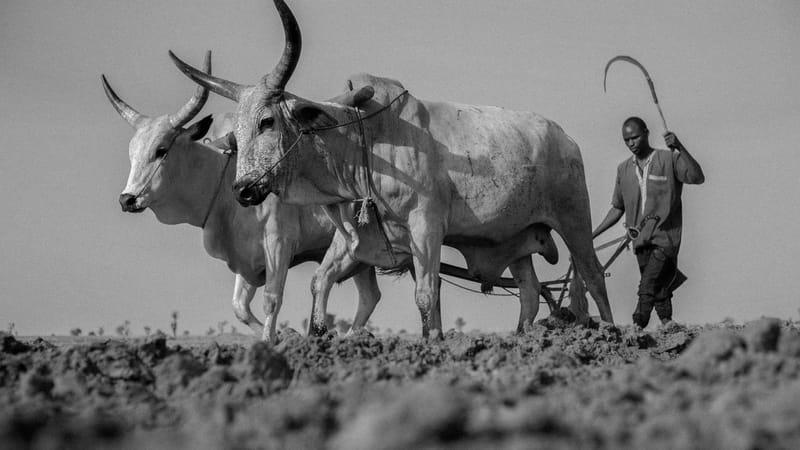
The Nigeria application page for the NINJA Innovation Bridge says Ajinomoto Foods Nigeria (AFN) is looking for a startup to expand sales and distribution of its agricultural biostimulants across Northern Nigeria. The aim is to reach more farmers and agricultural buyers such as agro-dealers through established distribution channels, backed by demonstrations and farmer training.
There is a second strand. The page says the pilot will also look at using biostimulants on locust bean trees, and that AFN could later buy locust beans from the farmers taking part. It adds that the chosen startup could earn revenue from biostimulant sales and build a longer-term relationship with Ajinomoto, "subject to agreed terms and pilot outcomes".
The paperwork rules out very young companies
The application has two parts: an online form, and a separate email to ninjainnovation@bcg.com with the subject line "NINJA Application – Nigeria – [Registered Company Name]". Four documents are required, all in PDF and named with the startup's name and the document type: a company registration certificate or equivalent; a valid tax compliance certificate, or a tax exemption certificate if the firm is exempt; at least four years of financial statements; and a pitch deck.
The page is blunt about the rest. Incomplete or late applications, and any sent through other channels, will not be considered, and everything must be in English. Questions go to the same address with the subject "Inquiry - NINJA Innovation Bridge" followed by the startup's name. The four-year accounts rule alone puts the call beyond most firms in their first or second year.
What the money is, and what it is not
The US$50,000 figure circulating on opportunity sites comes from the programme's own documents. The Request for Proposal for the Ajinomoto pilot, dated 19 November 2026 and linked from the application form, says the maximum total payment to the selected startup under its service contract with BCG is US$50,000, inclusive of taxes and expenses and subject to confirmation of available funding. It adds that the contracted amount may be lower, and that the fees pay for pilot work such as demonstrations and farmer training and "do not constitute a grant".
The same document sets the timetable. The pilot is pencilled in to start in February 2027 and can run for up to six months. Shortlisted startups should be free for pitches during the weeks of 7 and 14 December, and the award notice is due on 18 December, though the RfP says all these dates are tentative. Its screening criteria include registration in Nigeria, majority ownership by individuals and strong revenue growth over the past four years.
JICA's own description supports the structure, if not the sum. In a 4 September 2026 JICA notice launching the pilot, the agency says it will match Japanese companies with local startups in Kenya and Nigeria, aiming for one partnership in each country. In the final stage, JICA offers the selected startup a proof-of-concept contract and the two firms run the pilot together. The notice does not mention any equity investment.
Kenya gets a different brief, and JICA has history here
The call has a twin. The Kenyan application page, which closes at 11:59pm East Africa Time on the same day, says Sofy Unicharm East Africa wants a startup to strengthen last-mile delivery of its products to small informal shops, known as dukas, in Nairobi. Both briefs are about distribution. A Nigerian applicant's real asset is reach: proof that it can get products to farmers and dealers, and get them to come back.
This is not JICA's first Nigerian startup scheme. In 2021, the Gazette reported that JICA, working with NITDA and the Aiivon Innovation Hub in Abuja, planned to support five selected companies with $8,000 contracts each under the NINJA Startup Gateway. The 2026 pilot is narrower: one company per country, matched to one corporate partner.
This is a single, named commercial pilot with a hard Wednesday-night deadline and a heavy document list. A firm with four years of accounts, a current tax certificate and a working network in the North can apply. Anyone else should treat it as a signal of the kind of partnership Japanese companies are now testing in Nigeria, and get its records in order for the next round. Before sending anything, check the official form and the RfP, or ask BCG directly at the address above.
Also read: How to get a Tax ID in 2026: your NIN unlocks it, but the 13-digit number is not your NIN
Also read: Registering with CAC in 2026: a business name costs ₦21,700, a small company about ₦19,000
Would your startup clear the four-year accounts bar for a corporate pilot like this one? Tell us in the comments.