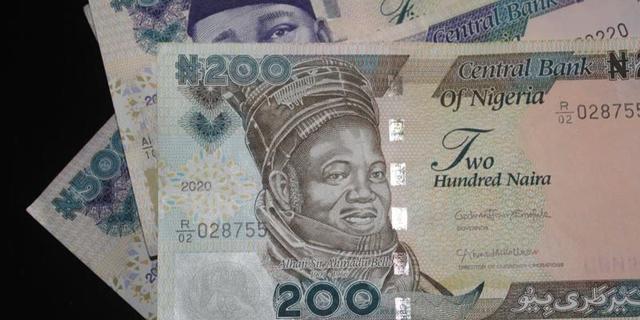
• On 27 October 2026 the federal government and the NLC signed a resolution for a ₦70,000 monthly "transport intervention" for public servants for six months, starting November 2026, which comes to ₦420,000 over the full period.
• On Monday 23 November NLC president Joe Ajaero said workers expect the money "this month as agreed", and none of the reports we checked carries a reply from the government or any official notice of payment.
• The resolution does not say how the money will be paid, which payroll line it will appear on, whether it will be taxed, or whether state and local government workers will get it, so those points remain open.
In staff rooms and ministry corridors across Abuja this week, the November salary alert is being watched for one figure in particular. Many public servants have been told for nearly a month that an extra ₦70,000 for transport starts this month. With a few days of November left, the question on many WhatsApp groups is simple: is it coming with this pay or not?
As of Wednesday 25 November, no payment has been reported. A Tribune report on 23 November said workers were still waiting and hoping the money would arrive before the month ends. On the same day, Ajaero used the opening of the NLC's Harmattan School in Abuja to press the government to keep the 27 October agreement. Our 18 November piece on the minimum wage covered the wider wage talks. This article sticks to the transport money.
What the government actually signed
The deal came from a conciliation meeting at the Federal Ministry of Labour and Employment in Abuja on Tuesday 27 October, after an earlier session on 22 October that, according to the NLC, ended without concrete commitments. According to Vanguard's account of the signed resolutions, the government agreed to "a transport intervention of ₦70,000 across all levels for six months", starting in November 2026. Daily Trust reported the same terms. Daily Post, as cited by other outlets, put the window at November 2026 to April 2027.
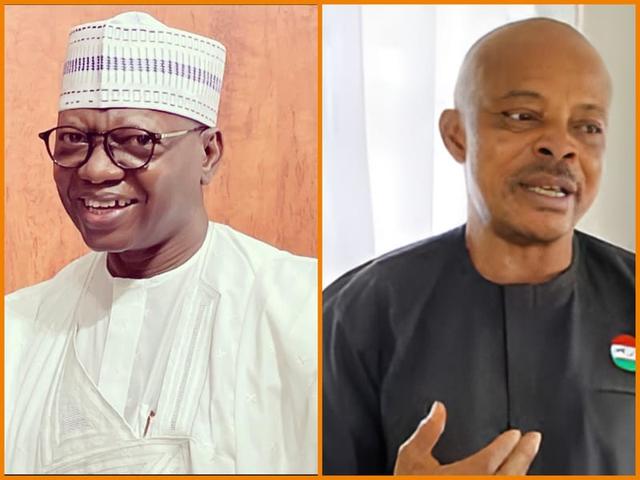
The document was signed for the government by the Minister of Labour and Employment, Muhammad Maigari Dingyadi, the Director-General of the Budget Office, and a permanent secretary from the Office of the Head of the Civil Service of the Federation. Ajaero signed for the NLC. So did Gbenga Olowoyo, national secretary of the Joint National Public Service Negotiating Council (JNPSNC), the body that bargains for public servants.
The same resolutions included two more payments that public servants may see on their payslips:
- Peculiar allowance: approved with effect from 1 May 2026. The arrears are to be paid in three equal monthly instalments from November.
- Health workers' arrears: 19 months of outstanding allowances, to be paid within three months starting in December 2026.
The parties also agreed to meet again after one month to review implementation. No date for that meeting has been announced; counting one month from 27 October would put it around late November, but that is our reading, not a date in the resolution.
"All levels" does not mean every worker
The phrase "across all levels" has caused confusion. The resolution is a public-service deal. It does not cover private-sector workers, who have no claim to the money under it. Daily Trust reported that the resolution "urged state and local governments to participate". That is a request, not an order. Each state and council will decide for itself whether to pay its own staff.
A JNPSNC circular reported by Parrot Nigeria on 2 November said the allowance "would be paid monthly to public servants for six months, beginning from November 2026". It asked state and local governments to "concur with the agreement". The circular did not list grade levels, agencies or a payment channel. Federal public servants are therefore the only group the deal clearly covers. No state government we could find has publicly said it will pay its own workers.
The Trade Union Congress, which was not at the table, rejected the arrangement and wants a permanent pay rise instead. The JNPSNC circular answered that the TUC "was never part of the discussion" and was free to push for more. That disagreement does not change what the signed resolution promises federal public servants.
What the government has said since: nothing on record
We found no public statement from the Ministry of Labour, the Office of the Head of the Civil Service, the National Salaries, Incomes and Wages Commission (NSIWC), the Budget Office or the Accountant-General since 27 October that confirms a payment date, a circular to ministries or a funding release for the transport money. Reports by Leadership and Blueprint on Ajaero's 23 November speech carried no government response.
Ajaero's words that day were careful. "We expect workers to receive them this month as agreed including the convening of the monitoring meeting," he said, according to Leadership. That line does not say a payment has failed. It says the NLC is still waiting and wants the review meeting held this month.
There is also no sign of a written guide on how the money will be paid. None of the resolution texts reported says whether the ₦70,000 will be added to the monthly salary, paid as a separate lump sum, or paid later as arrears if November is missed. Tax is also unclear. The NLC's separate demand for tax relief was referred to the National Executive Council, so no tax decision on this allowance has been announced. A worker may see ₦70,000 or a smaller net figure. Nobody can say which yet.
What to look for on a November payslip
For federal public servants, the payslip is the only record that matters. If the allowance is paid with November pay, it would show up as a new item that was not on the October payslip. The name of that item has not been announced. Possible clues are a line mentioning transport or "intervention", a jump in gross pay of about ₦70,000, or a separate credit outside the normal salary.
Two other items from the same deal could appear in November too. One is the first of three instalments of peculiar allowance arrears, back-dated to 1 May. The other, for health workers only, is the 19-month arrears, which are not due until December. A bigger alert than usual this month could come from either the transport money or the peculiar allowance arrears. The payslip, not the bank alert, shows which.
State and council workers face a separate question. Unless their own government announces that it is taking part, the federal deal gives them no date at all.
The one-month review is the next test
The signed resolution gives one clear checkpoint: the parties are to reconvene "after one month", according to Vanguard, to review implementation, though no date has been set. If the money has not reached workers by then, that meeting is where the government would be expected to say why, and whether November will be paid late or the six-month window will shift. The NLC has also asked for a Tripartite National Minimum Wage Negotiation Council to be set up, which is a separate and longer process. Until the government or the NSIWC publishes a payment notice, the November allowance remains an agreed promise, not a confirmed credit.
Also read: ₦70,000 minimum wage: labour wants ₦300,000 to ₦500,000. What is actually decided so far
Also read: What Nigeria's 2026 tax law takes from ₦150,000, ₦300,000 and ₦500,000 salaries, step by step
Has the ₦70,000 shown up on your November payslip, or are you still waiting? Tell us in the comments.