
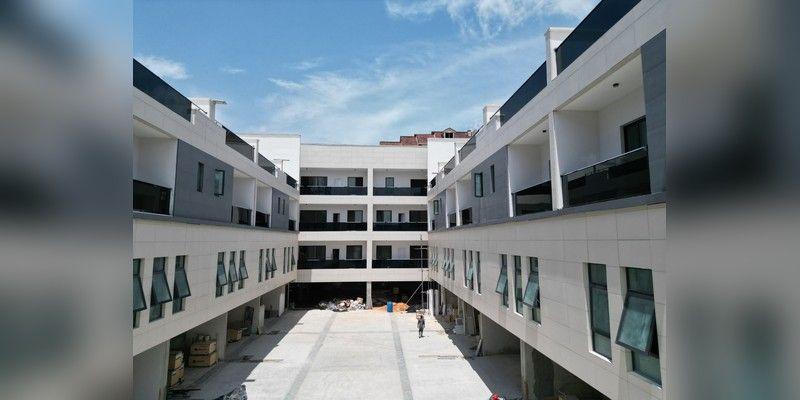
• Lagos developers and built-environment professionals told Nairametrics that land, materials, labour, approvals, infrastructure and financing can all push up project costs.
• Higher construction costs do not automatically produce an identical increase in rent or sale prices: location, competition, demand and household purchasing power still matter.
• The figures and remedies in the report are interviewee views and project-specific estimates, not a Lagos-wide rent index or a forecast for any tenant’s next renewal.
A rent renewal notice arrives as one clean number. Somewhere before it, though, are a plot of land, a bag of cement, a delay at an approvals desk, a road that may need building and a calculation about what a neighbourhood can actually pay.
That is the chain behind a recent Nairametrics report on the pressures facing residential developers in Lagos. The people interviewed do not point to one culprit. Their accounts describe a stack of costs that starts long before keys change hands.
The cost starts before the blocks
Real-estate investment analyst Olabisi Odusanya and developer Bright Okereke both put land and construction materials near the centre of the cost conversation. But the report also captures the things that do not show up in a casual “cement is expensive” explanation: site conditions, labour, professional services, marketing, taxes and the infrastructure a developer may need to provide.
Quantity surveyor Magbo Henry Ikechukwu told Nairametrics that a viability appraisal must account for the full project picture. In other words, a building is not priced only from the visible concrete and roof. It is also shaped by the work, permissions and services needed to get there.
Approvals can cost money through time
Fees are one part of regulation. Time is another. The report says developers and professionals cited title processing and approvals as areas where uncertainty can stretch a project’s timeline. While a project waits, materials can move in price, the cost of borrowed money can mount and expected income remains out of reach.
That does not mean every approval delay is the same or that every Lagos project has the same cost path. It does show why a tenant looking only at the final rent may be seeing the last line of a much longer spreadsheet.
Why a higher cost does not set a rent by itself
There is a limit to how much of a developer’s bill can be handed to a buyer or renter. Engr. Habeeb Odusanya told Nairametrics that demand, competition, location and what households can afford determine how much of an increase the market can absorb. Ikechukwu similarly described options such as changing specifications, negotiating costs or accepting smaller margins.
That distinction matters. A 30% jump in one input does not become a universal 30% rise at the gate of every estate or on the notice for every flat. The report is a view into development pressure, not a tool for predicting an individual rent or property value.
Smaller homes are part of the response
The interviewees describe developers adjusting things they can control: unit sizes, locations, finishes, phasing and, where suitable, locally available materials. Some of those changes may keep a project viable; none automatically makes a home affordable for every Lagos resident.
The bigger point is simple. Housing prices are built upstream, across land, labour, materials, paperwork, infrastructure and demand. The next time a new rent figure lands, the useful question is not whether one cost alone caused it. It is which pressures are shaping the kind of homes Lagos can still deliver—and who can realistically pay for them. This is general reporting, not personal property, investment or rental advice.
Also read: Nigeria says transport fares could fall from October. What has to happen before commuters feel it
Also read: Why Abuja’s roadside begging cannot be reduced to a traffic nuisance
Which hidden housing cost do you think shows up most clearly in everyday Lagos life? Join the conversation in the comments—without sharing personal rental or financial details.
