
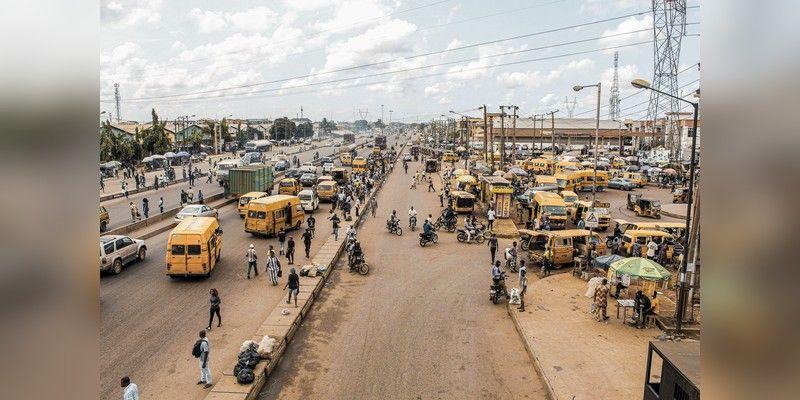
• A Leadership special report draws on individual accounts from people begging at several Abuja locations; it is not a census of everyone on the city’s streets.
• The people interviewed described different pressures, including displacement, bereavement, disability, illness and unemployment, showing why one stereotype cannot explain every outstretched hand.
• The report says an FCT Social Development Secretariat official cited 607 evacuations in six months, but removal from a junction is not, by itself, evidence of durable reintegration.
At a traffic light, the human reflex is fast. The window goes up. The lock clicks. The car moves when the green light comes. In that short exchange, a person can become a problem to clear, a delay in the road, or simply a face to avoid.
A recent special report from Leadership asks readers to slow that reaction down. Its reporting does not offer a neat explanation for everybody begging in Abuja. It offers something more useful: a reminder that visible hardship can have several histories, and that public policy has to reckon with more than the view from a windscreen.
The view from the traffic light
Leadership’s report says street begging is visible at Abuja’s major intersections, malls, airports, parks, markets and places of worship. It also notes that there is no recent published research measuring beggars as a percentage of the city’s population.
That absence matters. Visibility can make an issue feel fully understood when it is not. What commuters see in seconds is not the same as a complete account of why somebody is there, how long they have been there, or what support would change their options.
What one report tells us—and what it cannot
The report includes accounts from people who described displacement, loss, disability, health challenges and a lack of work. Those testimonies deserve to be heard as individual experiences, not used to label every person who begs or to decide who is “deserving” of compassion.
Leadership also reports that ActionAid Nigeria and NAPTIP representatives discussed risks faced by children and other vulnerable people, including exploitation. That is serious context, but it is not a licence to assume every person on a junction is trafficked, coerced or part of the same story.
Clearing a junction is not reintegration
The same Leadership report describes the roles of FCT agencies in enforcement and social services, and says an SDS enforcement official put the number evacuated from Abuja streets within six months at 607. It records that some people return, with insecurity and hardship in their home communities among the factors cited.
That is the gap the city has to confront. An enforcement operation can change what a junction looks like. It does not automatically create income, safety, housing, medical care, schooling or a route back from displacement. Those are different jobs, and they need different evidence.
Make room for the whole picture
None of this makes the risks around busy roads disappear. Residents are right to care about safety, children’s welfare and the strain on public spaces. But language matters. When people are discussed only as a nuisance, policy can start and end with removal.
The more honest conversation holds two facts together: Abuja’s streets need to be safe, and people who are struggling need to be seen as people before they are turned into a traffic problem. A capital city should be able to do more than choose between looking away and sweeping away.
Also read: Nigeria says transport fares could fall from October. What has to happen before commuters feel it
Also read: Sokoto nightlife is more layered than its stereotypes. What young people say is changing
What does the public conversation about street begging most often miss? Share your view with care in the comments.
