
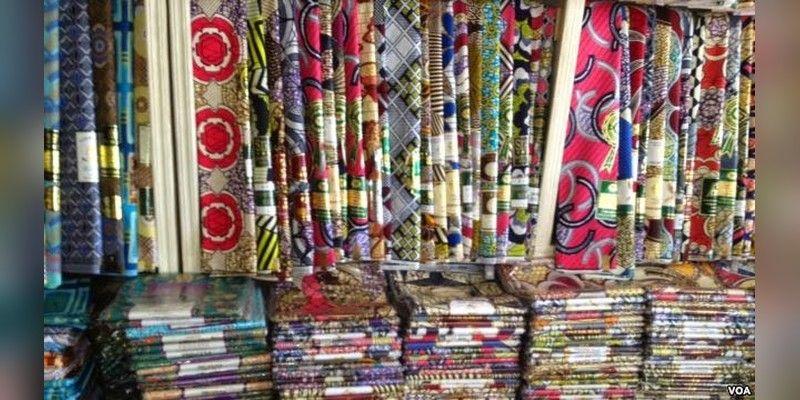
• Source Textile & Apparel West Africa is running at Lagos’s Eko Convention Centre from 24 to 27 August, bringing suppliers, retailers, importers and distributors into one room.
• The event is built around sourcing fabrics, accessories, machinery and manufacturing connections—the less-visible work behind a fashion product’s final price.
• A design can trend before a seller understands its real cost; fabric, minimum order, finishing, packaging and delivery can all eat into the margin.
The dress is the part everybody sees. The fabric roll, the tailor’s turnaround time, the missing zip, the transport to pick up the order and the customer who wants a “small discount” are the parts that decide whether the seller actually made money.
That is why a textile trade fair is more interesting than it first sounds. From 24 to 27 August, Source Textile & Apparel West Africa is bringing suppliers, retailers, importers, distributors and manufacturers to the Eko Convention Centre in Lagos. It is a business-facing room, but the questions inside it eventually show up on Instagram pages, in market stalls and in the price of the outfit people want next weekend.
Fashion moves fast. Sourcing rarely does.
The trend usually arrives after the fabric
A trending look can make a seller feel late before they have even found the right material. Somebody posts a sharp two-piece, a wedding guest style catches on, or a creator makes a fabric look expensive. Within days, people are asking where to buy it.
But copying the surface of a trend is the easy part. The harder work is deciding whether the fabric can be sourced consistently, whether the colour is really available, what quantity a supplier expects, who will cut and finish the item, and how long a customer is willing to wait.
The Source Textile & Apparel West Africa listing describes the Lagos event as a meeting point for apparel, textiles, machinery and accessories, alongside retailers, importers, distributors and manufacturers. That is the hidden chain behind the “DM to order” line.
The price tag has a backstory
Customers often meet a price at the end of a long argument. The seller has already measured fabric, paid a tailor or small production team, bought trims, handled a correction, paid for packaging and worked out how the order will move. If one part changes—especially the cost of replacing material—the original price can stop making sense quickly.
That is not an excuse for confusing prices or poor quality. It is a reason fashion sellers need to understand their margin before they announce a “hot new drop.” A piece can get attention and still lose money if it takes too long to make, is too difficult to restock or needs more delivery support than the price allows.
For buyers, the sourcing story can also explain why two outfits that look nearly identical online do not cost the same. Fabric weight, print quality, lining, finishing and the scale of production change the calculation long before the item reaches a rack.
A sourcing room is not a shortcut
Trade fairs can make the supply side feel close: samples, business cards, shiny machinery and a lot of people saying they can deliver. That access can be useful. It is not a substitute for checking the sample, asking how minimum orders work, understanding payment terms and finding out what happens when a colour or component is no longer available.
The fairest promise a supplier relationship can make is not “we will make you viral.” It is that a seller knows what they can order, how much it will cost, how long it should take and what quality will arrive. That kind of certainty is not glamorous, but it gives a fashion brand room to survive after the trend moves on.
The next Nigerian fashion win may be boring first
The people who make a trend look effortless often have done the boring work early: they know their fabric source, their maker, their replacement cost and the limit of their own capacity. The fair in Lagos is a reminder that fashion is culture, but it is also logistics.
A good look may start a conversation. A reliable supply chain is what keeps the customer coming back.
Also read: Your delivery fee is eating the sale. A guide for Nigerian online sellers
Also read: Nigeria’s e-invoice era has started. What small businesses should fix now
What is the one hidden cost that makes your fashion order more expensive than people expect? Tell us in the comments.
