
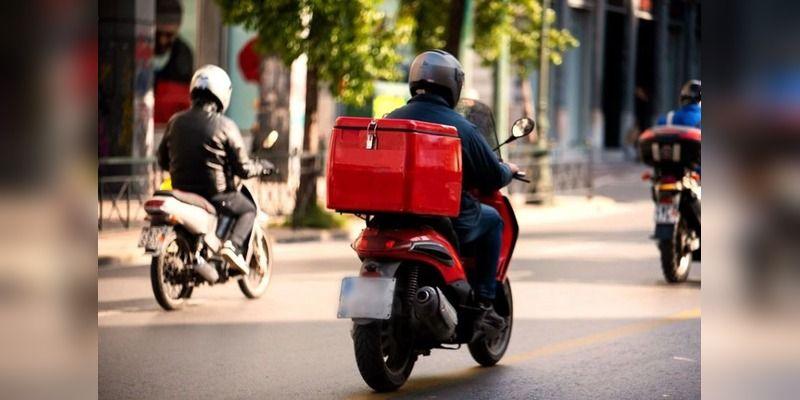
• Average bus fares for journeys within Nigerian cities reached ₦1,431.25 in May 2026, up 38.63% from a year earlier, according to current reporting based on NBS data.
• When delivery costs rise, online sellers usually absorb the loss, increase the product price or charge customers clearly for delivery — and each choice affects trust.
• The most useful fix is not a magic dispatch fee. It is a delivery policy that matches the seller’s real zones, order sizes, rider cost and customer expectations.
The customer has seen the shoes, asked for a size, sent an address and is ready to pay. Then comes the message that can quietly kill the sale: “Delivery is ₦3,500.”
For an online seller, that figure is rarely pulled from thin air. It reflects petrol, traffic, rider availability, distance, failed calls, estate gates and the cost of returning with a package when the customer suddenly says, “I’m no longer around.” But customers do not see the entire route. They only see a delivery fee that may now feel almost as painful as the item itself.
That tension is getting sharper. A current report on delivery pressure, citing National Bureau of Statistics data, says average bus fares within Nigerian cities rose to ₦1,431.25 in May 2026, 38.63% higher than a year earlier. Higher movement costs do not only affect commuters. They sit inside the price of a small business order too.
The delivery fee is part of the product now
Many sellers still treat delivery as an awkward final line, something to mention only after a customer has already chosen an item. That makes the fee feel like a surprise penalty. In reality, delivery is part of the buying experience, especially for businesses that live on Instagram, WhatsApp and TikTok rather than a physical shop.
The first useful question is simple: what does it actually cost to complete an order in each part of your city? Not the price a rider gave you once on a rainy Friday. The typical cost over several orders, including the days a package has to wait or return.
Write down your common zones. A seller in Yaba does not need the same delivery expectation for Surulere, Lekki, Ikorodu and Ajah. A food vendor taking one hot meal across town is solving a different problem from a clothing seller who can group three packages for the same area.
Stop hiding the hard part
There are three honest ways a small seller can handle delivery. The business can absorb all of it, build some of it into product prices or show it as a separate charge. None is automatically best.
Absorbing delivery can make a promotion feel attractive, but it can quietly erase the profit on a low-priced item. Building some delivery cost into the product may work for a brand with a predictable delivery area, but it can make local customers subsidise far-away orders. A separate fee is usually clearest when the seller explains it early and does not move the goalposts after a buyer has committed.
The problem is not charging for delivery. The problem is making the buyer discover the charge at the last possible moment, with no clue what it covers. Put your basic zones or a “delivery calculated by location” note where people can see it. If a price may change because of rain, distance or a special delivery time, say that before an invoice is sent.
Make one trip do more work
The current delivery conversation is also about route planning. ChamsAccess, which is launching a MarketRide platform, is betting on a multi-order model where a rider completes several orders in one area during a trip. Its specific commercial claims are its own, but the basic idea is familiar to small sellers: a grouped run can be cheaper than dispatching a rider for one parcel at a time.
You do not need a large logistics platform to copy the useful bit. Try designated delivery days for distant areas. Offer a collection window when several customers are in the same neighbourhood. Set a minimum order for free or reduced delivery. Ask customers to confirm location, phone number and availability before the rider leaves.
Those small rules protect the rider’s time as much as the seller’s margin. They also reduce the ugly moment where a rider arrives, the phone stops ringing and everybody argues about who should pay.
Online selling is built on convenience, but convenience still has a route, a rider and a price. The businesses that keep customers are not always the ones with the cheapest delivery. They are often the ones that make the cost feel fair because nobody was ambushed by it.
Also read: Nigeria’s e-invoice era has started. What small businesses should fix now
Also read: What to check before buying a fairly used smartphone in Nigeria for work and school
What is the most unreasonable delivery fee you have seen — as a buyer or a seller? Tell us in the comments.
