• The Federal Road Safety Corps' own offences and penalties page lists a ₦2,000 fine and 5 penalty points for a seat belt violation, a ₦4,000 fine and 4 points for using a phone while driving, and a ₦5,000 fine and 5 points for a speed limit violation.
• The same FRSC page lists the speed limiter offence twice, at ₦3,000 with 3 points and at ₦2,000 with 2 points, and media lists disagree on which figure applies, so a driver cannot safely quote one number for it.
• A Senate bill reported as passed on 16 July 2026 would raise several traffic fines by up to 300 percent, but the report says it needs presidential assent, so TheRadar cannot confirm that any of these amounts has changed.
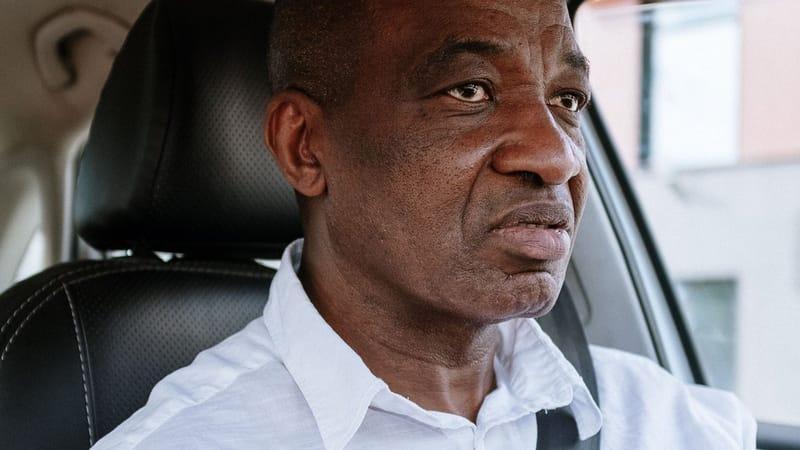
A driver in Ibadan buckles up only when a checkpoint comes into view, and glances at a phone at the traffic light. The fines for both are written down by the Federal Road Safety Corps, and they are lower than many people assume, though the points are a separate cost.
TheRadar opened the FRSC's offences and penalties page on 26 November 2026. It is a table of offences with a code, penalty points, a naira penalty and a category. The page showed no publication date, so TheRadar cannot say when the amounts were last set.
What the FRSC table lists for the common offences
Three offences on the table are the ones drivers ask about most. Seat belt violation (code SUV) carries 5 points and a ₦2,000 penalty. Use of a phone while driving (UPD) carries 4 points and ₦4,000. Speed limit violation (SLV) carries 5 points and ₦5,000. All three are in category 1 on the page.
So the surprise for many readers is the order. Holding a phone at the wheel costs double what an unfastened seat belt does, and the table gives a seat belt offence more points than a phone offence. The page does not explain how the points are used. TheRadar did not find, on the pages it opened, how many points trigger a licence suspension, so it does not state a threshold.
Why the speed limiter fine is hard to pin down
The speed limiter is the odd one. The same table lists "Failure to Install Speed Limiting Device" as code SLD with 3 points and ₦3,000, in category 2. It also lists the same wording under a second code, RMH, with 2 points and ₦2,000, in category 1. TheRadar could not tell from the page which entry the FRSC applies in practice.
Published lists reflect the split. A Tribune Online list dated 9 August 2026 gives ₦3,000 and says the figures come from the FRSC's offence schedule. A Legit.ng list dated 15 June 2026, which says it was compiled by TheCable, gives ₦2,000 for the same offence. Both give ₦2,000 for the seat belt and ₦4,000 for phone use.
Both lists are media summaries. Neither is the FRSC's legal text, and neither cites a section of an Act or regulation for these amounts, so neither settles the speed limiter question.
A Senate bill that could change these amounts
On 16 July 2026, AllAfrica carried a report that the Senate had passed an amendment to the FRSC Act raising fines for some offences by up to 300 percent. It gave the changes it could confirm: drink driving from ₦5,000 to ₦100,000, or up to two years in prison, or both, and speed limit violations from ₦5,000 to ₦100,000.
The report said phone use and seat belt violations are among the offences affected, but it gave no old or new amounts for them, and it did not mention speed limiters. It also said the amended schedule would take effect after presidential assent. The report did not say assent had been given, and TheRadar did not find a later report on the pages it opened saying the bill has become law.
That leaves two possible readings for a driver today. If the bill has not been signed, the table above is the schedule the FRSC publishes. If it has been signed, the speed limit fine in particular could be many times higher. TheRadar could not confirm which is the case, so the safest course is to check the FRSC page or an FRSC office before relying on a figure.
What the fine does not tell you
A fine on the table is not the whole cost of an offence. The page lists points as well as naira, and a case can go to court, where a magistrate decides. TheRadar did not open a source that sets out the court process or any time limit for paying, so it does not describe them.
The amounts above also say nothing about officers who ask for cash on the roadside. TheRadar did not find any FRSC page it opened that lets a driver settle a fine in cash at a checkpoint, and it does not say whether that is permitted. If an officer names an amount different from the table, ask which offence code it relates to and where it is written down.
So the fact worth keeping is simple. The FRSC's own table puts a phone at the wheel at ₦4,000 and a seat belt at ₦2,000, and a pending Senate bill might make those numbers out of date.
Also read: Registering a car in Lagos in 2026: ₦43,175 in MVAA fees, and what the schedule leaves out Also read: Police character certificate online: POSSAP steps, the ₦30,000 fee guides cite, visa rules
Have you ever been fined, or asked to pay, at a checkpoint, and did the amount match the FRSC table? Tell us in the comments.