
• MultiChoice Nigeria says piracy affects more than a broadcaster because producers, actors, crews, dealers, installers and small businesses depend on content retaining commercial value.
• The company says it is working with the Nigerian Copyright Commission and the culture ministry on anti-piracy efforts, but it has not announced a single fix that will end illegal distribution.
• The clearest consequence of “free” pirated TV is often hidden from viewers: when a film loses its ability to earn, the people behind the camera feel it before the audience notices.
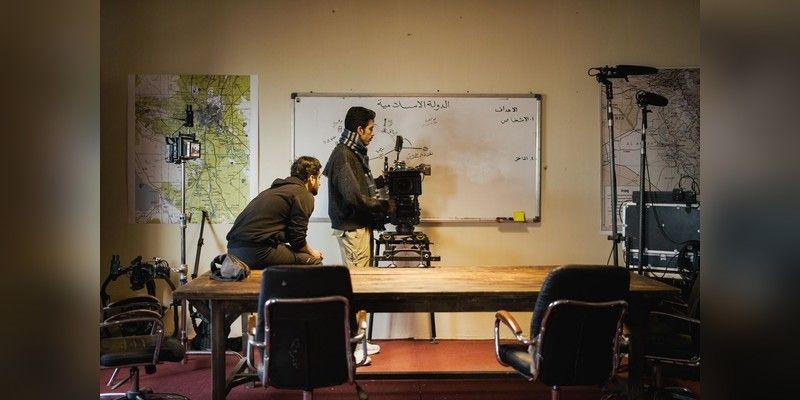
On a film set, the credit roll is never the full list of people who made the thing work. There is the person moving lights, the one checking sound, the makeup artist waiting for another take, the driver keeping the location running, the editor turning raw footage into a story and the small vendors whose work follows production wherever it goes.
That is the world behind every “I found it free online” conversation. Pirated TV can look like a harmless win for the viewer who wants a football match, series or new Nollywood film without paying. But its cost does not disappear. It moves down the chain.
The piracy argument is really about the people after the headline names
The Guardian reports that MultiChoice Nigeria CEO Kemi Omotosho has linked the company’s anti-piracy work to the wider creative economy. She said the ecosystem includes producers, actors, production crews, dealers, installers and small businesses, and that piracy damages the commercial value those people rely on.
It is easy to make this sound like a corporate complaint. Subscription companies have their own revenues to protect, and viewers are right to question pricing, access and the quality of what they pay for. But the wider point deserves its own space: a production does not become cheaper to make simply because a copy appears in a Telegram group or on an illegal streaming site.
Someone has already paid for the cameras, the location, the cast, the set, the data, the generator fuel, the food, the transport and the hours it took to finish the work. When legal viewing dries up, the pressure does not only land on the company logo at the front of the platform. It travels through the people who are paid project by project.
“Free” is not always a neutral word
Nigerian viewers have real reasons for looking for cheaper entertainment. Data is expensive. Multiple subscriptions add up. A household can be choosing between an app, a bundle, transport or a school expense. Pretending that those pressures do not exist will not make piracy disappear.
But “I cannot afford it” and “nobody loses anything” are not the same sentence. Piracy is often framed as a clash between a viewer and a big company because that is the simplest story to tell. The more complicated story has a larger cast: a young camera assistant hoping the next job comes through, an actor paid after a film earns, or a post-production team whose work is visible only when something goes wrong.
That is why the conversation needs more honesty on both sides. Platforms must make their legal options clearer and more practical for the audience they want to keep. Viewers who can pay should understand what is at stake when they choose an illegal source instead.
What MultiChoice says it is doing
Omotosho said MultiChoice is working with the Nigerian Copyright Commission and the Federal Ministry of Art, Culture, Tourism and the Creative Economy to curb piracy and raise public awareness. She also described the company’s next phase as a combination of larger global scale through CANAL+ and continued local investment.
Those are commitments, not proof that the problem is solved. Illegal distribution is fast, adaptable and tied to the same phone culture that makes entertainment easy to share. A crackdown or a new campaign may remove one channel only for another to appear. The harder work is making legal access feel worth choosing while protecting the people who make the stories viewers want.
The next move should be judged by what reaches the set
MultiChoice’s next move will matter less because it is a headline and more because of what it changes for the ecosystem it describes. Does it create more room for stories to be commissioned? Does it help crews receive steadier work? Does it give emerging writers, performers and technical teams a clearer route into paid productions? Does it make legal viewing easier for the people who genuinely want it?
Those answers will take time. But the basic tension is already clear. A screen can make content feel weightless. The work behind it never is.
Also read: 2026 Headies nominations are out. Why Fola and Mavo are now the names everyone will watch
Also read: Afrobeats is attracting more outside money. That does not automatically make a deal good
When you think about piracy, do you think first about price, access or the people who make the content? Tell us in the comments.
