
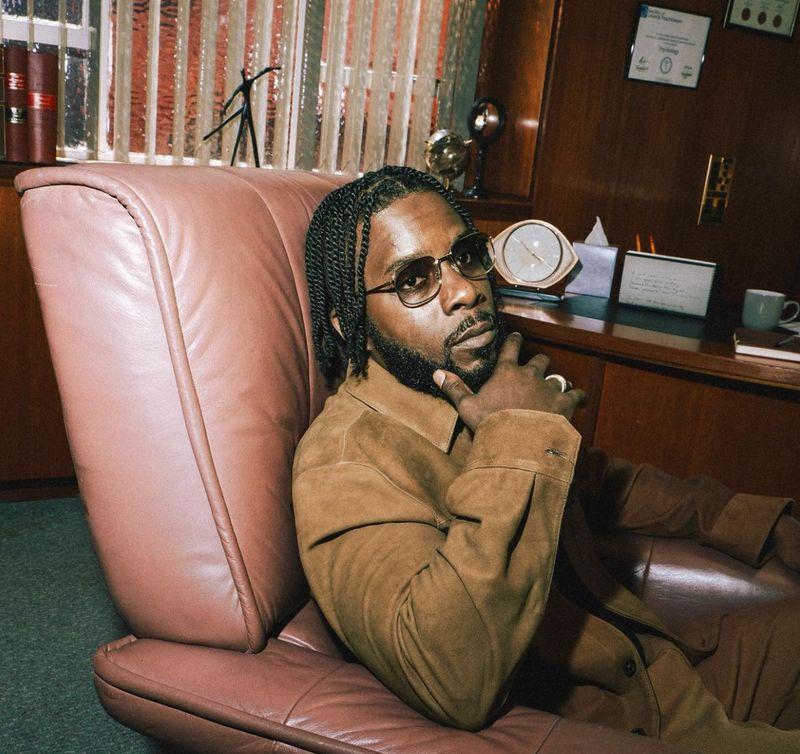
- Music producer Maleek Berry in a recent podcast shared why Afrobeats needs gatekeeping
- Singer Rema made a similar opinion two months ago urging Nigerian artistes to protect Afrobeats
- Maleek Berry also opined that Afrobeats ought to be a genre that represents Nigeria’s culture and should be more protected
Popular singer and producer Okunola Shoyebi, better known as Maleek Berry, has shared why Afrobeats as a genre could have been more protected by Nigerian artistes.
Maleek Berry's stance comes a few months after Rema made a similar opinion during an interview with Apple Music on July 17.
Rema had urged his colleagues and fans to own and protect Afrobeats saying, “They keep applauding and we will be watering it down until some people start winning our Afrobeats awards.”
In a recent YouTube podcast with Madame Joyce, on October 3, Maleek Berry noted that Afrobeats needed gatekeeping and could have been more protected within Nigeria.
In his words, “Gatekeeping isn't a bad thing. If something is important to you. Protect it. Afrobeats could have been a little bit more protected within our community. It could have been a little more protected number one. Number two, there needs to be more of yeah, this is my genre. Yeah, this is my culture. I am Afrobeats.
I am Afrobeats but I can do RnB. I can do Pop. I can do Country. I can do Garage if I have to but my home is Afrobeats. I feel like there needs to be a lot more of that. I love the idea of an Asake from Isale Eko taking over the world. I love the idea of an Asake coming from Isake Eko and teaching non-Nigerians Yoruba.
I love the idea of Omah Lay that comes from Port Harcourt teaching people his story. Singing about the pain of where he comes from, right? There will always be beauty in us exporting our sound to the world especially with where we come from.”
Album Review: “HEIS” is Rema’s monotonous outburst for recognition
Earlier, TheRadar reviewed Rema’s album. It solidified an evolution in the 24-year-old's artistic journey, but it signaled a monotonous outburst to seek recognition.
Considering the title of the album and its meaning, Rema, born Divine Ikubor, made a rather bold declaration of himself as “number one” in the music game - which is quite controversial.
