• At an Abuja Electricity Distribution Company (AEDC) forum for estate developers this week, a NERC consumer protection official said every estate customer must have an individual meter, bulk billing is not permitted and estate managers cannot charge residents above approved tariffs.
• The same official said developers should not buy transformers, extend distribution networks or replace poles, and NERC's own published guidance says customers are not expected to buy such assets because their cost is already recovered through the tariff.
• This was said at a stakeholder forum and reported by Daily Trust, not issued as a new NERC order, and TheRadar could not confirm how any refunds paid to developers in energy credits would reach the people who later live in their estates.
Picture a new estate on the edge of Abuja. The houses are finished, the gate is painted, and residents are told there is a levy for the transformer, plus a monthly light bill worked out by the estate office from one big meter at the gate.
That arrangement was the subject of an exchange on Tuesday, 24 November 2026, at AEDC's Real Estate Developers' Stakeholder Forum in Abuja. According to Daily Trust's report on the forum, republished by allAfrica, Mercy Ohamuche, a deputy manager in the Nigerian Electricity Regulatory Commission's (NERC) Consumer Protection Department, told developers that providing transformers and extending public networks is the distribution company's responsibility. The regulator's name has also been among Nigeria's rising searches this week: Google Trends listed "Nigerian Electricity Regulatory Commission" at more than 5,000 searches over the past seven days.
One estate, one meter per home
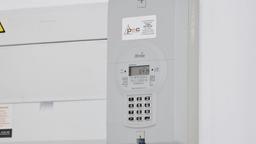
The point most likely to matter to residents is about billing. Daily Trust reported Ohamuche as saying every customer in an estate must have "an individual meter", that bulk billing is not permitted, and that estate managers may not charge residents above approved electricity tariffs.
That speaks to a set-up many residents know: one meter for the whole estate, with the management company dividing the bill. The official's position is that each household should be a customer of the DisCo in its own right, paying the approved tariff for its band.
Who buys the transformer
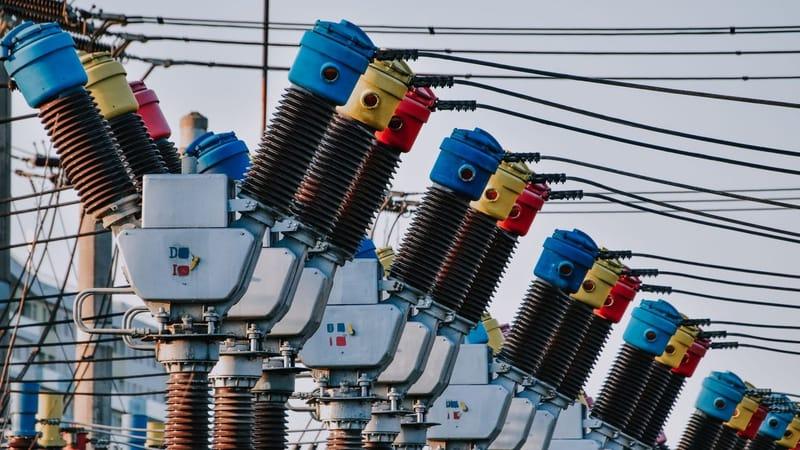
On equipment, the report quotes Ohamuche as saying "Developers should not purchase transformers", and that buying or replacing poles is not their job either. That matches what NERC has published for years. Its FAQ on investment in DisCo networks says customers are not expected to buy poles, transformers and other assets for the utilities, because the cost of those items is already built into the tariff. It says DisCos should pay for them from their own revenue, bank loans or shareholders' funds.
The same FAQ says customers are not required to pay for the repair or replacement of DisCo assets unless it is proven they wilfully damaged them. Anyone asked by utility staff to pay for such repairs is told to report it in writing to the nearest DisCo office, use the DisCo's whistle-blower or customer care lines, or write to NERC directly.
Where refunds and energy tokens come in
There is a catch. NERC's guidance allows a fallback: where a DisCo cannot fund the equipment, customers may sign an agreement to buy it, on the understanding that they will be refunded the full cost over an agreed period. The FAQ says any community that does this should follow NERC's regulation on investment in electricity networks, which it says has been in place since 2015, and should have a documented agreement with the DisCo.
Both sides pointed to that route at the forum. Daily Trust reported Ohamuche as saying third-party investment could be refunded through energy credits where AEDC cannot provide the equipment at once, and AEDC's chief operating officer, Blessing Ogbe, as telling developers who invest after consulting the company: "you will be refunded through an energy token at the end of the day." AEDC also asked developers to bring it in at the planning stage, said it plans a dedicated desk for estate developers, and talked about net billing for estates with surplus solar power, with energy credits valid for 12 months. The Real Estate Developers Association of Nigeria's FCT chairman, Tony Okoruwa, said poor coordination between agencies, AEDC and developers had contributed to power problems in new estates.
What the report does not say is how a refund paid to a developer, as tokens or credits, reaches the residents who may have paid for the equipment through a levy. TheRadar could not confirm that from any published AEDC or NERC document.
What residents can do with this
NERC's complaints and redress FAQ sets out the order. First, make a written complaint at your DisCo's nearest customer care unit and keep the acknowledgement. The DisCo is expected to resolve it within 15 working days, depending on how complex it is. If you are not satisfied, take it to the nearest NERC Forum office, and after that to NERC's head office.
Two limits are worth keeping in mind. The forum remarks were reported by one newspaper and are not a new NERC order, so they restate the regulator's position rather than change any rule. And some states now regulate their own electricity markets, so outside AEDC's area a state regulator may be the body that hears an unresolved complaint. For your own estate, check NERC's published regulations and FAQ pages or your state electricity regulator before paying any levy for network equipment.
For residents, the point is simple: a levy for a transformer, or a bill worked out from one estate meter, is something to question in writing, starting with the DisCo. Whether developers get their money back in tokens is a separate matter between them and the DisCo, and so far nothing published shows that those refunds are passed on to residents.
Also read: NERC approves ₦30bn for free meters. What it means for unmetered Band A and B customers
Also read: How much does a MAP prepaid meter cost in November 2026?
Has your estate ever asked you to pay a transformer levy, or billed your light from one shared meter? Tell us in the comments.