• The Nigerian Export-Import Bank (NEXIM) told a stakeholder forum in Abuja on Thursday 26 November 2026 that it has mobilised ₦42 billion with SMEDAN for small businesses working in export value chains.
• One report of the forum says NEXIM's managing director promised the money at single-digit interest rates, well below the 30 per cent he has previously said commercial bank lending had peaked at.
• No interest rate figure, eligibility list, application portal or start date has been published in any report TheRadar opened, so this is an announcement of available funding, not an open loan window.
Picture a woman in Kano who cleans and bags sesame for a bigger trader, or a young man in Ogbomoso who roasts and packs cashew for buyers heading to the ports. Both handle goods that end up abroad, yet neither has ever been offered a loan cheaper than the ones on a bank's rate card. This week's news is aimed squarely at people like them.
At a NEXIM forum in Abuja themed "Leveraging the AfCFTA for Enhanced Nigerian Export Competitiveness and Economic Diversification", the bank's managing director, Abubakar Abba Bello, said NEXIM and the Small and Medium Enterprises Development Agency of Nigeria (SMEDAN) had raised ₦42 billion to help small businesses take a bigger role in export supply chains, according to BusinessDay's report of the forum.
Who the ₦42bn is meant for
Every report of the forum TheRadar read on 29 November describes the target the same way: small businesses operating within the export value chain. That covers more than the firm that ships a container. It can include the processor, the packer and the aggregator who sell to an exporter.
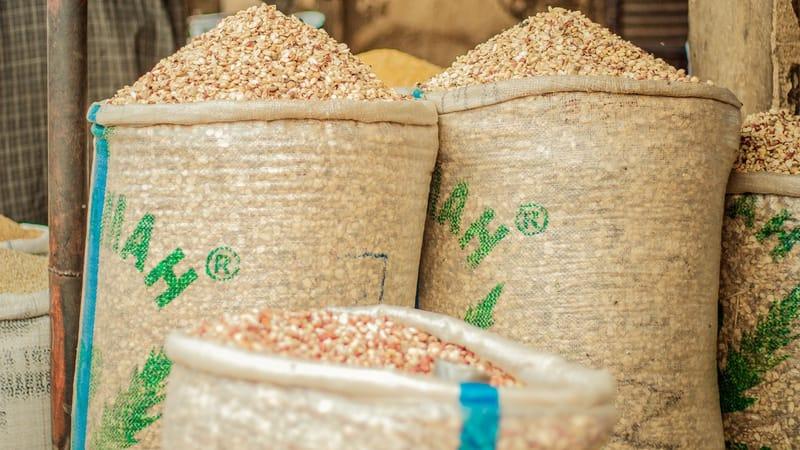
Bello pointed to cashew, sesame, shea butter, ginger and cassava as products with export potential, under what NEXIM calls its "Produce, Add Value and Export" approach. Daily Trust, reporting the same forum, said the aim is to build small firms' capacity to meet export requirements, not just to lend to them.
The single-digit rate and what is still missing
National Accord's account of the forum reports Bello as saying the facility would provide financing at single-digit interest rates. TheRadar found that detail in only one of the six reports it opened, and none of them gives an exact rate, a loan size, a repayment period or the collateral required.
There is also no public application route yet. TheRadar could not load NEXIM's own website on 29 November, and no report names a portal, a bank partner or a closing date for this ₦42 billion. Until NEXIM or SMEDAN publishes terms, small business owners should treat any website or WhatsApp message asking for an "application fee" for this money with suspicion.
Why NEXIM and ministers want cheaper money for exporters
At an SME export finance forum in Abuja in October 2025, Bello said commercial bank lending rates had peaked at 30 per cent, which he called "too high for small businesses to sustain", according to Arise News. Today the Central Bank's benchmark rate is 23 per cent, which keeps ordinary bank loans expensive.
At Thursday's forum, Bello also asked the Central Bank of Nigeria to issue more non-interest banking licences. "We need a non-interest bank licence," he said, according to Daily Times. He said NEXIM is working with the Islamic Development Bank on a non-interest window for exporters, and THEWILL reported that the bank is also pursuing dedicated facilities for women and young entrepreneurs.
Finance Minister Taiwo Oyedele told the forum: "A business may have a good product and a willing buyer, yet lose the order because financing arrives late, certification is delayed, or transport costs become unpredictable." Minister of State for Industry John Enoh said lenders should "finance the factory and not the shipment".
A CBN deputy governor, delivering Governor Olayemi Cardoso's message, said: "The objective should not be for development finance institutions to replace commercial banks, but to crowd them in." The message also reminded exporters that they must meet foreign exchange documentation and repatriation rules.
The ₦42 billion is not NEXIM's only new money this month. Arise News reported on 11 November that Afreximbank approved a $30 million facility for NEXIM, split into a $20 million revolving working capital line and a $10 million medium-to-long-term loan, for export-oriented small and medium businesses. NEXIM says it has financed more than 1,300 non-oil export deals worth over ₦800 billion since 1991, supporting about 110,000 industrial jobs.
What a small business can do now
If you process, pack or aggregate goods that go abroad, the practical step this week is paperwork, not an application. Getting a registered business name, a SMEDAN registration and tidy bank records in order costs little and is useful whatever the final rules say. The exact document list for this facility has not been published.
For terms and the official application route, watch NEXIM's and SMEDAN's own websites and verified social media accounts, or speak to your bank's business desk. TheRadar will update this story when either agency publishes the rate, eligibility rules and how to apply.
Bello put the record in context: Nigeria's non-oil exports reached $6.1 billion in 2025, and trade with other African countries rose 21 per cent to $9.02 billion. The ₦42 billion is a signal that cheaper export finance is coming. Whether it reaches the small processor in Kano or Ogbomoso depends on terms nobody has yet seen.
Also read: CBN holds its rate at 23% and leaves bank rules alone. What it means for loans, savings and naira
Also read: Registering with CAC in 2026: a business name costs ₦21,700, a small company about ₦19,000
Would your business apply for a single-digit NEXIM loan, and what would you use it for? Tell us in the comments.