
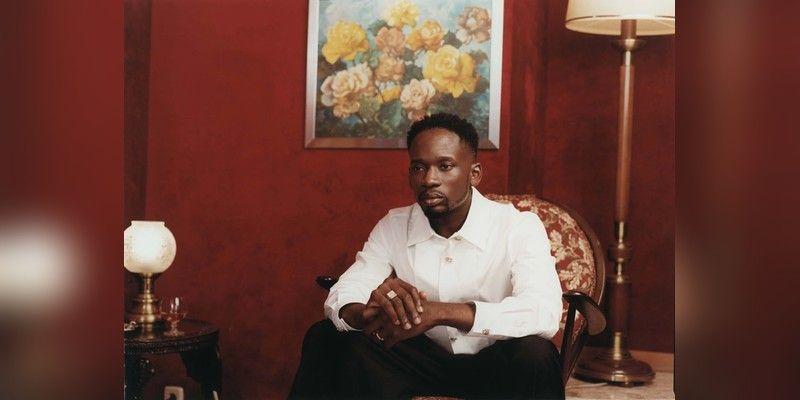
• Mr Eazi says he would like to list a technology company on the Nigerian Exchange one day, but there is no IPO in progress, no named company and no timetable.
• His Choplife group has moved into Itana’s digital special economic zone in Lagos, while more than 21 engineers are said to be working from Nigeria across his businesses.
• The bigger question is not whether a celebrity can list a company. It is whether ordinary Nigerians will get a genuine chance to own a slice of the digital products they already use.
Mr Eazi is known for making songs that travel. But the most interesting part of his latest business conversation is not a single, a tour date or a fresh brand deal. It is a much quieter line about ownership.
The musician and entrepreneur says he would like Nigerians to be able to buy into a technology company through the Nigerian Exchange. That sounds like an IPO headline. It is not—at least not yet. What exists today is an ambition, plus a business structure that is moving closer to home.
The listing is an ambition, not an announcement
In an interview reported by Business Elites Africa, Mr Eazi said it would be a pleasure to list a technology company on the NGX. He did not name the company, give a date, disclose a valuation or say an IPO process had begun.
That detail matters because “wants to list” and “is listing” are two very different stories. The first is a direction of travel. The second comes with documents, advisers, regulators, pricing, public offers and a clear window for investors. None of that has been announced here.
Still, the idea is worth paying attention to because it puts a familiar Nigerian frustration on the table. People can spend money on digital services, work for tech firms and help make their products useful. Yet they often cannot buy a small stake through a local brokerage account when those businesses become valuable.
Music is only one door into Mr Eazi’s business world
The report says Mr Eazi’s wider interests stretch across artist development, events, gaming, sports, payments, technology and intellectual property. Choplife has moved into Itana, Lagos’s digital special economic zone, and the business says more than 21 engineers are working from Nigeria.
That is why this is not simply a celebrity-company story. The real test is whether the technology, talent and ownership structure stay connected to the place where much of the work and customer activity happen.
For years, African startups have often placed their parent companies outside the continent. There are reasons for that: global investors know the legal systems, banking arrangements and corporate rules in places such as Delaware or the United Kingdom. But the result can feel strange to local users. The product may be part of their everyday life while the chance to own it remains somewhere else entirely.
What local ownership would actually mean
A local public listing would not automatically make every Nigerian rich, and it would not remove the risk that comes with buying shares. Companies can rise, struggle or disappoint. Public ownership is not a shortcut to guaranteed returns.
What it could change is access. A retail investor who understands the business and accepts the risk could have a legal, visible route to buy shares. Pension funds and asset managers could have more exposure to home-grown technology. The NGX could gain a type of company that is still thin on the ground beside banks, consumer brands, telecoms and industrial names.
There is also a symbolic shift. Many young Nigerians meet tech as a job opening, a side hustle, an app to download or a name in a funding announcement. A listed company turns it into something more concrete: an asset people can study, question and, if they choose, own.
The real work comes before the bell rings
Any future listing would have to be built on more than a good story. Public investors will ask blunt questions: does the company solve a problem people pay for, can it manage costs, can it grow without wasting capital, and can it survive regulation and currency pressure across African markets?
Those are the questions Mr Eazi himself has raised around companies that chase vanity metrics instead of durable businesses. They are also why an IPO should not be treated as a trophy at the end of a celebrity journey. It is a public test of the business underneath.
For now, Nigerians have an idea to watch, not shares to buy. But it is an important idea: if technology is becoming part of the country’s brick and mortar, who gets to own the building?
Also read: Nigeria wants every home and business on a digital map. What that could mean for online sellers
Also read: Afrobeats is attracting more outside money. That does not automatically make a deal good
Would you buy shares in a Nigerian technology company you already use, if the risks and information were clear? Tell us why in the comments.
