
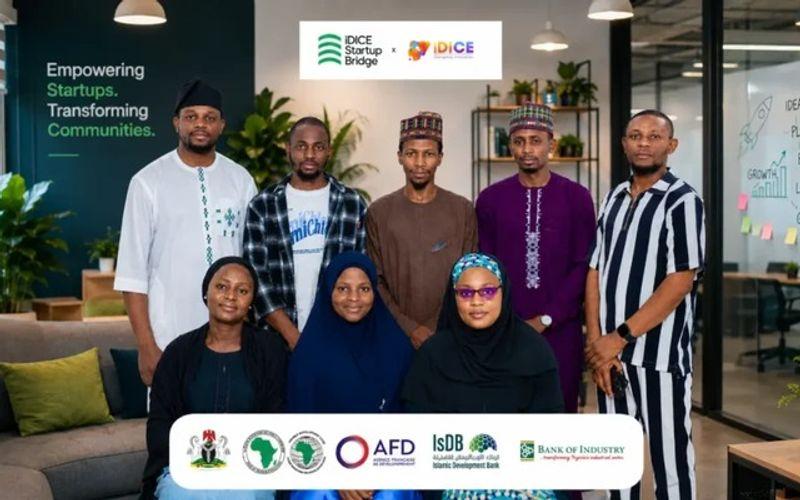
The deadline is close, but iDICE Growth Lab is not looking for the loudest pitch deck. It is looking for a post-MVP startup that can show real demand and a believable plan for what comes next.
- Applications close on August 19, and only 12 startups will be selected for the Growth Lab cohort.
- Selected businesses receive $100,000 for 7.5% equity, so traction and a clear use of capital matter as much as the idea.
- The programme is built for founders aged 18–35 with a working product, market validation and the capacity for a 12-week hybrid commitment.
A founder can have a sharp logo, a convincing market-size slide and a room full of people saying “this is brilliant.” None of that answers the question an accelerator will ask first: who has actually used it, paid for it or agreed to test it?
That is where the last few days before the iDICE deadline should go.
The traction story
iDICE is not taking idea-stage applications into Growth Lab. The programme is for digital or tech-enabled startups with a deployed MVP and evidence that the market is responding.
That evidence can be small. A signed pilot, recurring orders, a credible partnership, a waitlist that converts, active users who return or modest revenue that is moving in the right direction can all tell a stronger story than a large number of dormant sign-ups.
The important part is that the numbers agree. If the product has 2,000 registrations but only 80 active users, say what happened. If the pilot is still early, show what the customer has committed to testing. A reviewer should not have to dig through a deck to understand the signal.
The business the deck is describing
The application, deck, product screenshots and financial records should sound like they came from the same company.
That sounds obvious until a startup says it is building for small businesses but only presents consumer-download data, or says it has demand but cannot point to a pipeline, conversion rate or returning customer. The strongest applications do not hide the early-stage mess. They explain it cleanly.
Growth Lab says its process includes screening and due diligence. That makes consistency a competitive advantage. A reviewer may forgive a business that is still learning. They will be less patient with a business that cannot explain what it knows.
The people behind the product
The application also has to make the team legible. Who is building the product? Who understands the customer? Who owns growth, operations or sales when the company starts moving faster?
Founders do not need to perform perfection. In fact, it is more useful to name the gap and explain how it will be filled. A founder who knows that the business needs stronger compliance support or a commercial hire sounds more credible than one who insists every problem is already solved.
That matters because Growth Lab is not a passive online class. The selected cohort has to complete a 12-week hybrid programme, including in-person Lagos sessions, milestones and performance reporting.
The market that can be reached
“Big market” is not enough. The application needs to show the first customer clearly: who they are, what problem they are already trying to solve and why they would switch to this product.
A better market paragraph begins with the Nigeria you can reach now, not the world you might reach one day. Explain the alternative the customer uses today, where the friction sits and what makes the company’s route to distribution believable.
That is also where “tech-enabled” needs to mean something. Technology should sit inside how the business delivers value, not just on the front page of the website.
What the $100,000 changes
The money should have a job before the application is submitted.
The initial iDICE investment is equity-based: $100,000 for 7.5% equity, paid in naira at the prevailing rate. It is not a grant and it is not a reward for making a nice deck. A good use-of-funds plan connects capital to a business outcome: a product improvement that lifts retention, a distribution move that gets the company into a new market, or a hire that unlocks a measurable revenue target.
Our breakdown of what founders should know before giving up 7.5% equity explains why the equity question deserves more than a quick yes. The possible additional growth capital of up to $250,000 is not automatic either; it depends on performance, readiness, diligence and qualifying matching funds.
The application should make one thing easy to see: where the startup is today, what this capital would change and how the team will know it worked.
The official Growth Lab page has the current application details. Before August 19, founders should make the numbers, story and plan agree—then submit the version that can survive a second look.
Also read: What founders should do before GITEX Nigeria opens on August 31
Also read: 3MTT has trained 135,000 Nigerians—but why are tech jobs still hard to get?
What would make an iDICE application believable to you: revenue, a pilot, returning users or a strong team? Drop your take in the comments below.
