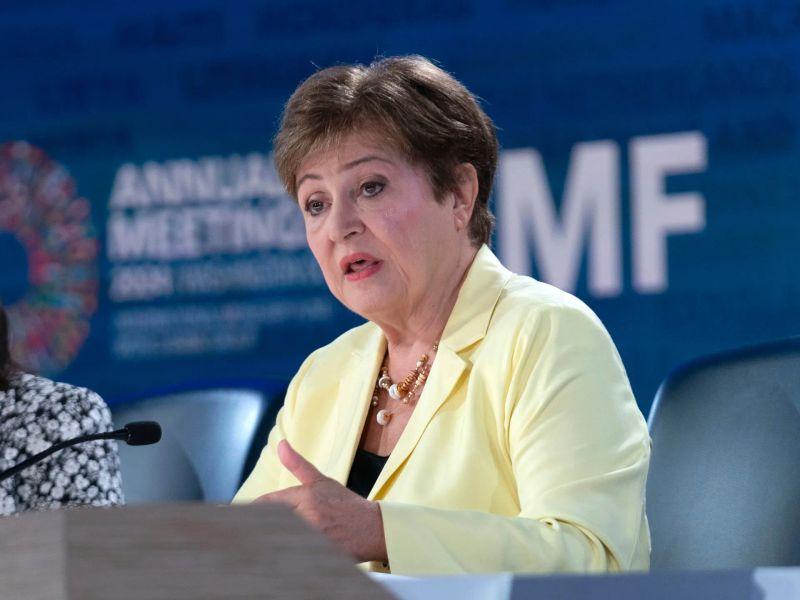
- Kristalina Georgieva, Managing Director of the International Monetary Fund (IMF), has warned that the escalating conflict in the Middle East is testing the resilience of the global economy
- Georgieva said that the war could significantly affect global energy prices, weaken market confidence, slow economic growth, and worsen inflation if it continues for a longer period
- She warned that many Asian economies could face significant energy security risks as they rely on oil and gas imports from the Middle East
- Georgieva stressed that the sooner the conflict ends, the better it will be for global stability
Global economic stability is once again facing pressure as the latest conflict in the Middle East threatens to disrupt markets, according to Kristalina Georgieva, the Managing Director of the International Monetary Fund (IMF).
Speaking during a livestream at the Asia in 2050 conference held in Bangkok on Thursday, March 5, Georgieva cautioned that the escalating war could have wide-ranging consequences for the global economy.
“This conflict, if proven to be more prolonged, has obvious potential to affect global energy prices, market sentiment, growth, and inflation, and place new demands on the shoulders of policymakers everywhere,” Georgieva said during the event on Thursday, March 5.
The warning follows rising tensions in the region after the United States and Israel launched strikes against Iran over the weekend.
The attacks reportedly killed Iran’s supreme leader and triggered retaliatory responses across Gulf states, further escalating instability in one of the world’s most energy-rich regions.
The growing conflict has already rattled global markets, with oil prices surging sharply and investors reacting nervously to the uncertainty.
Georgieva noted that the situation reflects a broader pattern of instability shaping the global economy.
“We are in a world of more frequent, more unexpected shocks, and we have been warning our membership for quite some time that uncertainty is now the new normal,” Georgieva said.
“We are potentially in a prolonged period of flux.”
She also warned that the crisis could pose serious risks to energy security, particularly for Asian economies that rely heavily on oil and gas imports from the Middle East.
Energy security was “at stake” for much of Asia, she told participants at the conference in Thailand’s capital, adding that markets have fluctuated “like a roller coaster over the last couple of days”.
“So the sooner we see the end of calamity, the better for the whole world.”
The IMF chief reiterated that the organisation is deeply concerned about both the humanitarian consequences of the conflict and its potential economic fallout.
According to Georgieva, if the war continues for an extended period, it could drive up energy prices, shake investor confidence, slow economic growth, and worsen inflation worldwide.
Highlighting the uncertain outlook, Georgieva warned that the global economy must be prepared for continued disruption.
International Monetary Fund Managing Director Kristalina Georgieva said the war in the Middle East will test global economic resilience and warned that “new shocks in different shapes and sizes” will keep coming.