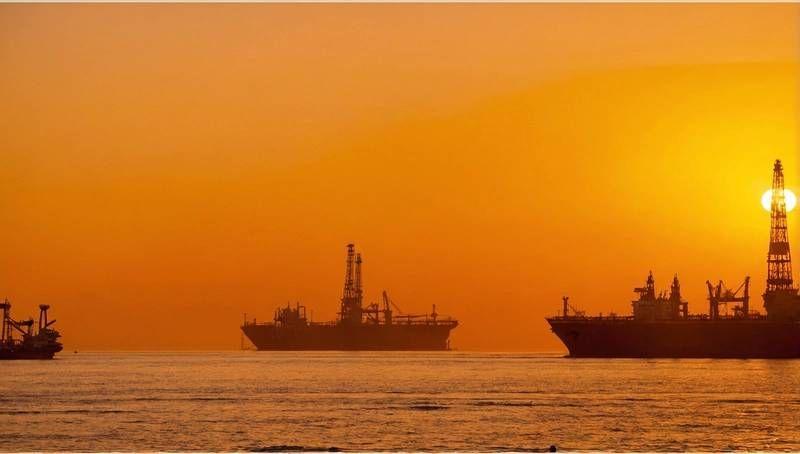
- Oil prices rose about 1% as tensions between the United States and Iran disrupted the Middle East energy supplies
- Brent crude hit its highest level since January 2025, while the U.S. West Texas Intermediate (WTI) crude also reached a multi-month peak
- Iraq cut production by nearly half due to export constraints and could further reduce output
Oil prices climbed about 1% on Wednesday, March 4, as tensions between the United States and Iran disrupted Middle East supply flows, though the pace of gains eased after comments from President Donald Trump suggesting the U.S. Navy might escort vessels through the Strait of Hormuz.
Reuters reported that Benchmark Brent crude rose 91 cents, or 1.1%, to $82.31 a barrel, reaching its highest close since January 2025. U.S. West Texas Intermediate (WTI) crude increased by 63 cents, or 0.8%, to $75.19, also its strongest settlement since June.
"The primary near-term driver for oil prices remains the US-Iran conflict.
"At this stage, only clear signs of de-escalation could mitigate or reverse the current bullish trend for WTI, and such signals are currently lacking," said an analyst from OANDA
Military strikes by Israeli and U.S. forces on targets in Iran on Tuesday, March 3, triggered retaliatory attacks on energy infrastructure in a region responsible for nearly a third of global oil production.
In Iraq, the second-largest crude producer in the Organisation of the Petroleum Exporting Countries, output has been reduced by about 1.5 million barrels per day, roughly half its production, because of storage constraints and export bottlenecks, officials told Reuters.
They warned production could fall by nearly 3 million barrels per day within days if exports are not restored.
Iranian forces have also targeted tankers in the Strait of Hormuz, through which about a fifth of global oil and liquefied natural gas shipments flow. Maritime traffic through the waterway remains effectively suspended.
Trump indicated the U.S. Navy could begin escorting oil tankers if necessary and said he had directed the U.S. International Development Finance Corporation to provide political risk insurance and financial guarantees for Gulf maritime trade.
"While oil prices declined on the headline, we think the insurance proposal is likely in a concepts-of-a-plan stage and question whether there has been sufficient coordination with the multiple international tanker insurers," said analyst Helima Croft of RBC.
Meanwhile, countries and companies are exploring alternative energy sources and routes.
India and Indonesia announced efforts to secure other supplies, while some Chinese refineries reportedly began adjusting operations or planning maintenance shutdowns.
U.S. crude inventories rose by 5.6 million barrels last week, according to data cited by the American Petroleum Institute, well above analysts’ expectations of a 2.3 million barrel increase. Official government inventory figures were expected later in the day.