
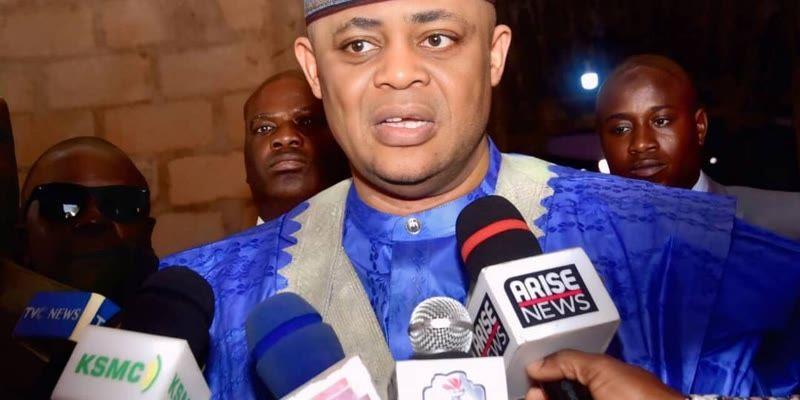
• South Africa's Department of International Relations and Cooperation (DIRCO) summoned Nigeria's new High Commissioner, Femi Fani-Kayode, on Tuesday 17 November and delivered a formal démarche over his social media posts after he said his speech had been cut from the livestream of his credentials ceremony.
• DIRCO Director-General Zane Dangor cited Article 41 of the Vienna Convention on Diplomatic Relations, which requires an envoy's official business to go through the host country's foreign ministry, while Fani-Kayode called the talks an "excellent meeting" and the Nigerian High Commission said he was "neither reprimanded nor issued any warning".
• A démarche is a formal protest, not an expulsion, and by Wednesday 18 November neither government had announced any further step, while no separate statement from Nigeria's Ministry of Foreign Affairs on the meeting had been found.
For many Nigerian families, South Africa is not an abstract foreign country. It is where a brother runs a shop in Johannesburg, where a cousin is finishing a degree in Pretoria, and where every report of an attack on Nigerians is followed closely in WhatsApp groups back home. So when Nigeria's top diplomat in that country gets into a public quarrel with his hosts in his very first week, it matters who is speaking for those Nigerians, and how.
On Tuesday, South Africa's foreign ministry formally rebuked Femi Fani-Kayode, the former aviation minister who presented his credentials to President Cyril Ramaphosa only last Friday. According to Daily Maverick's report on the démarche, DIRCO's Director-General, Zane Dangor, summoned him over his conduct at the ceremony and "subsequent remarks made on social media."
It started with a livestream
Fani-Kayode was one of 15 new envoys who presented their credentials to Ramaphosa on Friday 13 November at the Sefako Makgatho Presidential Guest House in Pretoria. Afterwards he posted on X that the Presidency's livestream had left out his introduction and speech. "Of all the 15 introductions and speeches that were made and delivered this morning, only Nigeria's was cut out," he wrote, as quoted by Daily Maverick. He added: "Clearly some elements in South Africa do not want to hear what we have to say or see our faces." He also said he raised the matter with Ramaphosa during the photo session and that the President directed officials to resolve it.
The South African side disputes much of that. The Citizen reported that the SABC said "The Presidency's livestream arrangements and SABC News' editorial coverage are separate matters," and that the public broadcaster did carry the ceremony on its online channel. Daily Maverick was told the full ceremony, including Fani-Kayode's speech, was livestreamed online but not shown on SABC TV, which may explain the confusion. That has not been independently confirmed.
The row then turned personal. Presidential spokesperson Vincent Magwenya said Fani-Kayode had "falsely referenced the President on a matter he has no involvement in," and, according to TimesLive, told him: "Stop disgracing yourself and your country." Fani-Kayode, in posts quoted by TimesLive, said he would not "tolerate anyone who disrespects or treats our government or our people flippantly." The Nigerian High Commission backed its envoy and hit back at Magwenya in its own statements over the weekend.
What a démarche is, and what it is not
The word sounds vague, but it describes a specific, formal step. A South African Parliament explainer on démarches, written after DIRCO issued several to the United States ambassador this year, describes it as the strongest formal diplomatic protest a government can issue short of declaring a diplomat persona non grata. The ambassador is summoned, a formal note is handed over, and the points are made in person and kept on both countries' diplomatic records.
It is not an expulsion. Declaring a diplomat persona non grata is the step that would force an envoy to leave. No report says Fani-Kayode has been asked to leave South Africa or that relations have been downgraded. A démarche is generally meant to correct behaviour and stop a dispute from escalating, not to end a posting.
Why Article 41 came up
Dangor's central point, as reported by Arise News, BusinessDay and Premium Times, was about channels rather than content. He reminded Fani-Kayode of Article 41 of the 1961 Vienna Convention on Diplomatic Relations, which says official business between a foreign mission and the host government should be conducted through the host's foreign ministry or another agreed channel. In plain terms: an ambassador with a complaint is expected to take it to DIRCO, not to the President at a photo session, and not to X.
DIRCO said, in a statement cited by SABC and reported by BusinessDay, that "all official communication should be conducted through established diplomatic channels, including DIRCO." It also said Pretoria remains committed to its strategic partnership with Nigeria. DIRCO did not publish the content of the formal note, so the exact wording of the démarche is not known.
Two accounts of one meeting
The two sides described Tuesday's meeting very differently. DIRCO called it a démarche. Fani-Kayode, in a post quoted by Daily Maverick, said he was "honoured to have had an excellent meeting" with Dangor and described it as "cordial and constructive". He wrote: "Mutual concerns regarding our bilateral relations and the events over the weekend were discussed."
The Nigerian High Commission went further. In a statement reported by Premium Times and republished on AllAfrica, it said Fani-Kayode was "neither reprimanded nor issued any warning during the meeting." It said he raised his displeasure with how Magwenya handled the dispute, that Dangor assured him his concerns would be addressed, and that he "made it clear that Nigeria's patience over the persistent challenges facing its citizens in South Africa is wearing thin." That denial comes from the mission itself, and DIRCO has not responded to it publicly.
What is not established is whether Fani-Kayode withdrew his claim that Nigeria was singled out, or apologised. Arise News reported it could not say whether he made any undertakings. No separate statement on the meeting from Nigeria's Ministry of Foreign Affairs in Abuja had been found by Wednesday afternoon, and reports on 18 November repeated Tuesday's accounts without new official comment from either government.
The backdrop is tense. In May, Nigeria's foreign ministry summoned South Africa's acting High Commissioner over protests against foreigners, with spokesperson Kimiebi Ebienfa saying the ministry was "aware of the growing discontent among Nigerians concerning the treatment of their nationals in South Africa." In September, before taking up his post, Fani-Kayode said the killings of Nigerians there must stop, warning: "Simply put, our patience is wearing thin." Daily Maverick reports that South Africa has committed to investigating deaths of Nigerians, including some in security force custody, and that the High Commission says it has received no explanations.
The next test is whether the two governments move the argument back behind closed doors. Watch for any written statement from Nigeria's foreign ministry, whether DIRCO answers the High Commission's claim that there was no reprimand, and whether Fani-Kayode's next public comments on the safety of Nigerians in South Africa go through DIRCO first.
Also read: Nigeria, Ghana summons South African diplomat over xenophobic attacks on citizens
Also read: Tinubu unveils new diplomatic team as 65 ambassadors get foreign postings
Should Nigeria's envoys speak loudly on social media, or keep complaints behind closed doors? Tell us in the comments.
