- Concerns grew over Nigeria’s high number of death row inmates and the need for justice system improvements
- Deputy Speaker Benjamin Kalu said the abolition of the death penalty in Nigeria depends on public opinion
- Saul Lehrfreund of the Death Penalty Project praised Nigeria’s openness to discussing capital punishment reform
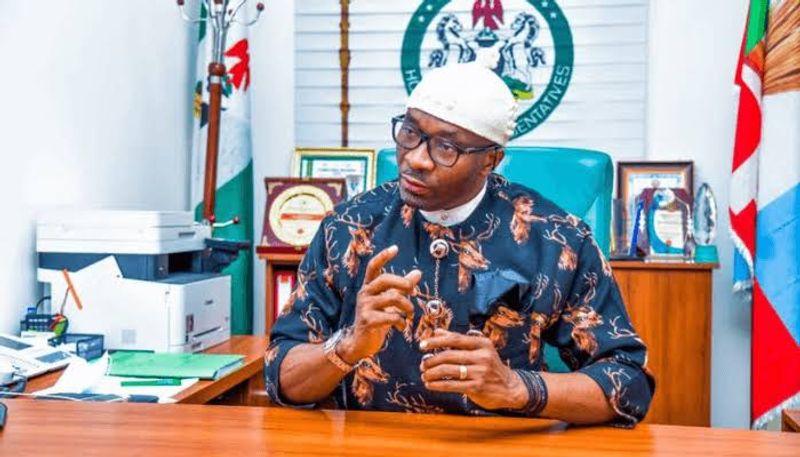
The Deputy Speaker of the House of Representatives, Honourable Benjamin Kalu, has stated that the decision to abolish the death penalty in Nigeria rests with its citizens.
Kalu made this remark on Thursday, January 30 during a courtesy visit by a delegation from the Death Penalty Project, which included officials from the British High Commission in Abuja.
“There is an international trend toward the abolition of the death penalty, with growing support for a global moratorium on executions.
“We are considering presenting this matter before the parliament to gauge whether it aligns with the needs of our society. Public hearings will ensure that citizens can contribute to this important discussion,” Kalu stated.
He stressed the importance of public engagement and extensive discussions before any decision is made.
He pointed out that more than 130 countries have abolished the death penalty in law or practice, reflecting a global shift toward rehabilitation and restorative justice.
Kalu acknowledges rising death row population, calls for reforms
However, he acknowledged that Nigeria’s legal system still prescribes capital punishment for crimes such as murder, armed robbery, and treason.
He also noted the growing concerns over the high number of death row inmates and the need for reforms in the criminal justice system.
Although no bill on the matter is currently before the House, Kalu revealed that the Constitution Review Committee, which he chairs, is examining the issue. He suggested that a bill could be introduced in the future to allow for public debate and input.
He assured that any proposed reform would seek to balance justice with human rights, emphasising fairness and proportionality in the legal system.
Kalu reiterated that these discussions were not intended to downplay the severity of capital offences but to ensure that Nigeria’s justice system aligns with international best practices.
Saul Lehrfreund, Co-founder and Co-Executive Director of the Death Penalty Project commended Nigeria’s willingness to engage in discussions on the issue.
“We believe dialogue and collaboration are crucial in rethinking the use of the death penalty. We are here to share our experience and explore how the Constitution can be amended to support such reforms,” Lehrfreund stated.
He referenced Zimbabwe’s recent abolition of capital punishment and expressed optimism that Nigeria could follow a similar path.
Zimbabwe, Rwanda, 26 other African nations that abolished death penalty
Meanwhile, TheRadar earlier reported that Zimbabwe recently abolished the death penalty, becoming the latest African nation to end capital punishment.
Emmerson Mnangagwa, Zimbabwe's President signed the landmark Bill on New Year’s Eve.