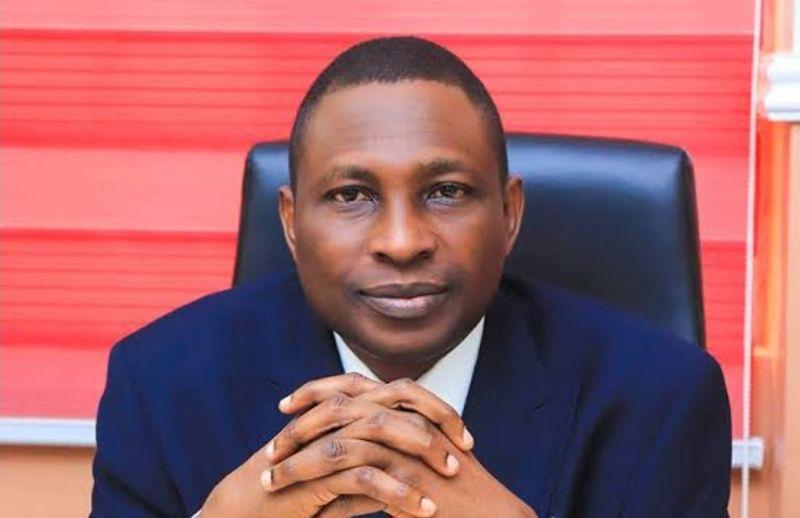
- EFCC Chairman, Ola Olukoyede, revealed ongoing investigations into power contracts, exposing widespread malpractices and substandard materials used in critical infrastructure
- He said that corruption in the sector has led to frequent power outages and national grid collapses, according to the EFCC
- The EFCC also uncovered that Nigeria has executed less than 20% of its planned capital projects over the last 20 years, hampering national development
The Chairman of the Economic and Financial Crimes Commission (EFCC), Ola Olukoyede, has revealed that corruption within Nigeria's power sector is a major contributor to the country’s persistent electricity grid collapses and erratic power supply.
Speaking on Tuesday, November 12, during a visit by the House Committee on Anti-Corruption and Financial Crimes to the EFCC headquarters in Abuja, Olukoyede highlighted the commission’s ongoing investigations into the sector, describing the findings as deeply troubling.
According to Olukoyede, contractors awarded power supply contracts often cut corners by using substandard materials, which leads to frequent equipment failures, power outages, and the recurrent collapse of the national electricity grid.
He cited the example of contractors purchasing inferior electrical equipment, such as using 5.0 gauge cables instead of the specified 9.0 gauge.
"Every time you see the system tripping off, getting burnt, and failing, it's part of the problem," he said, expressing frustration over the widespread malpractices.
Olukoyede lamented that the country’s power sector has long been plagued by corruption, with contractors cutting corners to maximise profits at the expense of the national infrastructure.
"If you see some of the investigations we are carrying out within the power sector, you will shed tears," he said, emphasising that these corrupt practices have led to widespread inefficiency in the sector, hindering the country’s ability to provide reliable electricity.
The EFCC chairman further stated that the commission’s investigations had uncovered systemic failures in the execution of capital projects in the country.
Olukoyede revealed that, over the past 15 to 20 years, Nigeria has only been able to execute less than 20 per cent of its capital projects. This lack of progress in critical infrastructure, including the power sector, has stunted the nation’s growth and development.
"If we don’t address these issues, how can we expect to grow as a nation?" Olukoyede asked.
He noted that one of the EFCC’s primary objectives this year is to work closely with the National Assembly and relevant stakeholders to ensure that at least 50 per cent of the capital projects planned for the year are successfully executed.
During the visit, the Chairman of the House Committee on Anti-Corruption and Financial Crimes, Obinna Onwusibe, emphasised the need for greater collaboration between the EFCC and the judiciary to expedite the trial of suspects, many of whom are languishing in jail without trial.
Onwusibe called attention to the overcrowded correctional facilities, particularly in Kirikiri, Lagos, where numerous suspects have been awaiting trial for over a year.
He stated, "Justice delayed is justice denied," and urged the EFCC, the Attorney General’s office, and the judiciary to work together to ensure swift justice delivery.
Onwusibe also raised concerns about the perception that the EFCC is sometimes used for political purposes.
He called on the commission to ensure greater transparency and accountability in its operations to dispel these allegations.
"The negative perception that the EFCC is being used to settle political scores must be corrected," he said.
As the EFCC continues its investigations into corruption within the power sector, including those linked to the frequent grid collapses, Olukoyede stressed the importance of tackling systemic inefficiencies in capital project execution.
He expressed hope that with the support of the National Assembly and the judiciary, Nigeria could make significant strides in improving its infrastructure, particularly in the energy sector, and thereby foster greater economic growth.
"We need to address the lack of implementation of capital projects. If we can tackle that effectively, we will make progress as a nation. This is a fight we cannot afford to lose," he added.
National grid did not collapse, Adelabu clarifies cause of power outage
Meanwhile, TheRadar earlier reported that the Minister of Power, Adebayo Adelabu, claimed the power grid did not collapse. This counters earlier reports indicating that it had collapsed again on Tuesday amid ongoing restoration efforts following the initial breakdown on Monday evening.
Adelabu clarified that the incident was not a grid collapse but a line tripping in specific areas across the country during an interview on Tuesday, October 15.