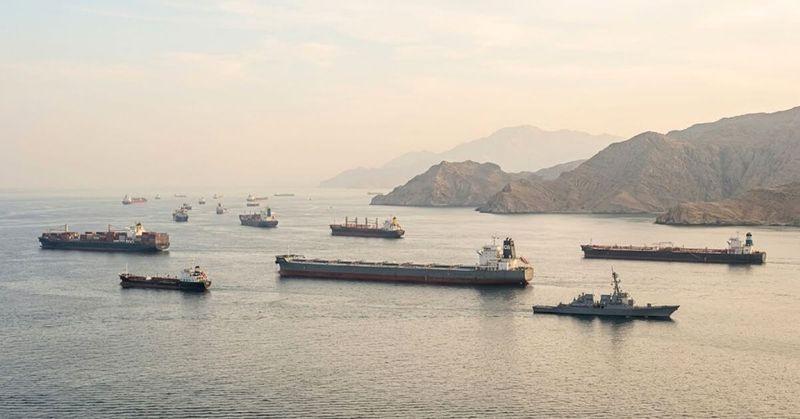
- Iran has given the United States 30 days to end its naval blockade, raising pressure on Washington to de-escalate tensions
- Tehran sent a fresh 14-point proposal to Washington through Pakistan demanding a permanent end to the war
- President Donald Trump insisted that Iran must first end disruptions in the Strait of Hormuz and stop uranium enrichment
Iran has issued the United States a 30-day ultimatum to end its naval blockade, sharply escalating tensions in the Middle East despite an April 8 ceasefire that was meant to halt weeks of fighting.
The warning came from Iran’s Islamic Revolutionary Guard Corps, which said Washington now faces a choice between what it called an “impossible” military operation and accepting a difficult diplomatic settlement with Tehran.
The statement followed Iran’s submission of a new 14-point proposal to the US through Pakistan, which has been acting as a mediator between both sides.
According to Iranian Foreign Ministry spokesperson Esmaeil Baghaei, the proposal demands a permanent end to the war rather than a temporary ceasefire, along with guarantees of non-aggression from Washington, the lifting of the US naval blockade on Iranian ports, and an end to hostilities across all fronts, including Lebanon.
The proposal also calls for confidence-building measures between both countries and seeks to reopen diplomatic pathways after weeks of stalled negotiations.
Tehran insists any durable agreement must include the reopening of the Strait of Hormuz and the full removal of restrictions on Iranian shipping.
The United States President, Donald Trump, confirmed that he is reviewing the Iranian proposal but signaled skepticism about the chances of reaching a deal.
He said Washington would not consider easing pressure unless Iran first ends its effective blockade of Hormuz and agrees to halt uranium enrichment.
The current standoff stems from escalating conflict that began in late February, when US and Israeli strikes on Iran triggered retaliatory actions by Tehran, including restrictions in the Strait of Hormuz.
Since then, both sides have continued intercepting and seizing vessels, underscoring the fragile nature of the ceasefire and the risk of a wider regional escalation.
Trump sparks outrage after resharing ‘Strait of Trump’ map for Strait of Hormuz
Meanwhile, TheRadar earlier reported that the United States President Donald Trump had triggered fresh controversy after resharing a Truth Social post proposing that the Strait of Hormuz be renamed the “Strait of Trump,” a move widely seen as provocative amid mounting geopolitical tensions.
The post featured a map of the strategically critical waterway relabeled with the suggested name, drawing swift global attention because of the Strait’s central role in global energy security.