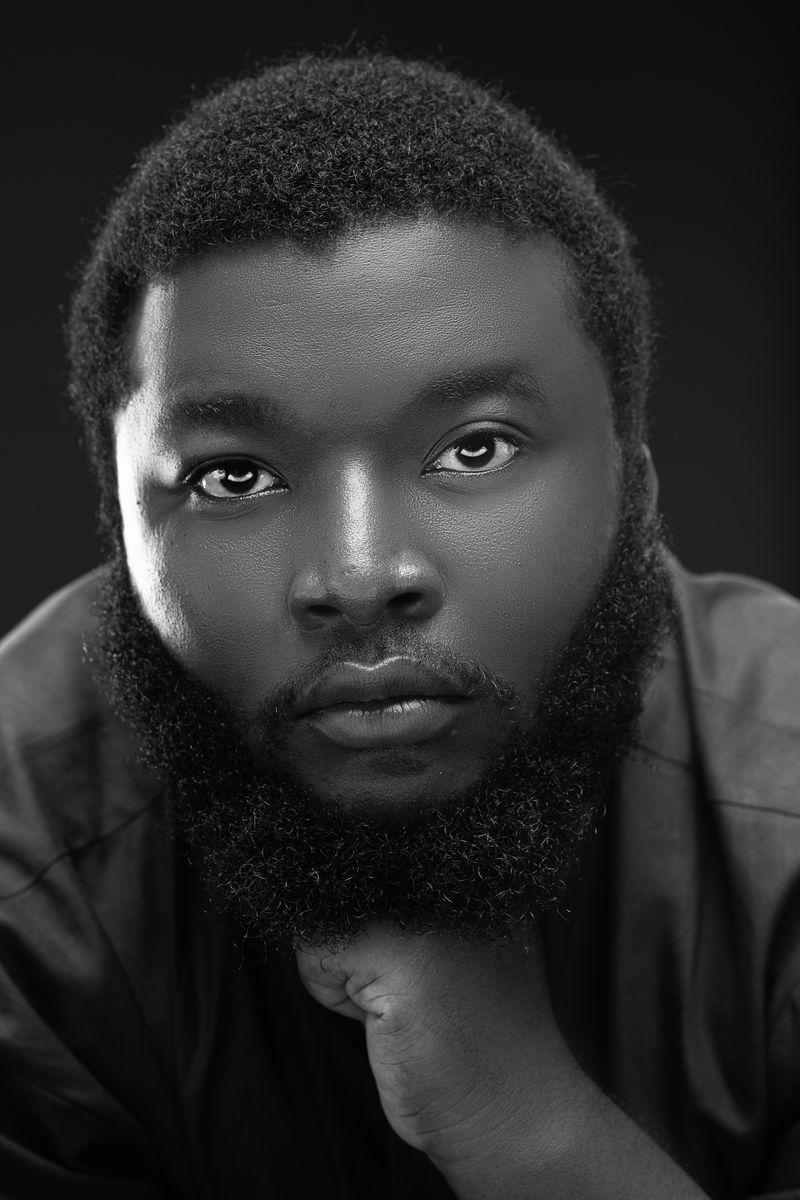
- A commentator had criticised prominent opposition figures, including Atiku Abubakar and Nasir El-Rufai, for failing to provide decisive leadership
- The post argued that social media commentary and press statements were inadequate responses to Nigeria’s democratic challenges
- The remarks had sparked widespread online debate about opposition politics and leadership ahead of the 2027 elections
A strongly worded post circulating on social media has sparked renewed debate about the state of Nigeria’s opposition politics, with a public affairs commentator accusing prominent opposition figures of cowardice and overreliance on online activism amid what he described as a deepening democratic crisis.
In a post shared on X (formerly Twitter) on 9 February 2026, Gbenga Oluranti Olaleye criticised several high-profile political figures, including former Vice President Atiku Abubakar, former Osun State Governor Rauf Aregbesola, former Kaduna State Governor Nasir El-Rufai, Senator Dino Melaye and other opposition voices, for what he termed a failure of leadership at a critical moment in Nigeria’s history.
Titled “Social Media Warriors Cannot Save Nigerian Democracy”, the post argued that Nigeria’s democratic institutions were being weakened “in broad daylight” while those who present themselves as alternatives to poor governance had confined their resistance to social media commentary and press statements.
According to Olaleye, condemnation without tangible action amounted to “cowardice dressed up as politics”. He maintained that true opposition leadership required courage, sacrifice and physical presence, not what he described as “performance politics” driven by online outrage and clout-seeking.
“True opposition does not hide behind well-crafted statements and emotional threads on X, Facebook or Instagram, leadership demands courage, sacrifice and presence, not internet activism,”the post read.
The commentator questioned the absence of coordinated strategy, citizen mobilisation and lawful mass action by opposition leaders, asking where they were at a time when Nigerians, according to him, needed direction and reassurance.
He further argued that meaningful democratic change throughout history had always required sustained pressure and visible civic action, noting that power rarely conceded ground without organised resistance. In his view, long essays and online commentaries, while useful, were insufficient substitutes for structured engagement with institutions such as the National Assembly and other organs of state.
Drawing parallels with past political moments, Olaleye referenced the 2012 Occupy Nigeria protests and the political realignments that led to the 2015 general elections, describing them as defining periods that reshaped Nigeria’s political trajectory. He suggested that the current moment could similarly define political careers, particularly as public discourse increasingly shifts towards the 2027 general elections.
While emphasising that Nigerians were not calling for violence or chaos, Olaleye stressed that citizens were demanding sincerity, courage and people-centred leadership from those who claim to represent opposition interests.
“Nigerians are not asking for perfection; they are asking for leadership,” he wrote.
The post concluded with a warning that history would not remember lengthy social media threads, but rather those who stood firm when it mattered most, accusing political figures who chose comfort over action of betraying public trust.
As of the time of reporting, none of the political figures mentioned had issued a direct response to the comments. However, the post has continued to generate discussion online, reflecting growing public frustration over governance, opposition effectiveness and the future of Nigeria’s democracy.
“Every region deserves equal justice” – Gbenga Olaleye on Nnamdi Kanu's verdict
Meanwhile, TheRadar earlier reported that the a Nigerian public affairs commentator, Olóyè Gbenga Olaleye, has raised concerns over what he described as the Federal Government’s inconsistent approach to tackling terrorism and insecurity across different regions of the country. His remarks followed the recent judgment sentencing the leader of the Indigenous People of Biafra (IPOB), Nnamdi Kanu, to life imprisonment on terrorism-related charges.