
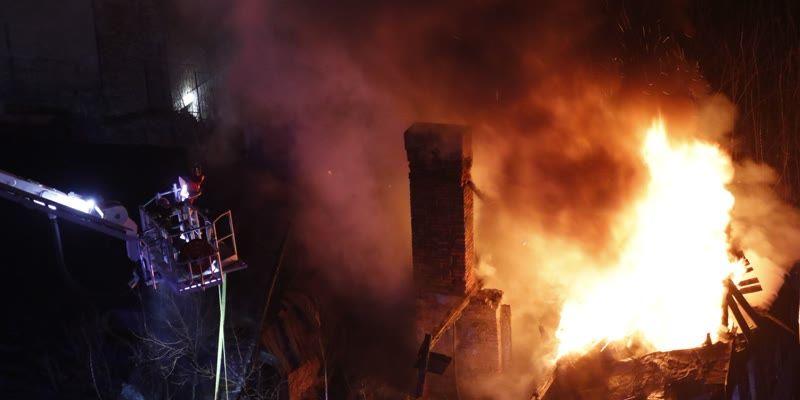
• A fire at an NNPC-affiliated filling station near Savannah Bus Stop in the Command area of Lagos spread to the adjoining Saint Lawrence Greater Height School, and LASEMA says seven classrooms, a DAF truck, a Toyota Camry and three dispensing pumps were affected.
• Lagos State Fire and Rescue Service says it got the distress call at 12:50pm and reached the scene at 1:13pm, and both the fire service and LASEMA say no one was killed or injured.
• The cause has not been established: early reports called it a gas explosion, LASEMA's preliminary findings point to a tanker discharging diesel, and NNPC says its own safety team is still reviewing what happened.
In many Lagos neighbourhoods, the filling station and the school gate sit on the same stretch of road. Parents drop children off in the morning, tankers queue to offload by afternoon, and nobody gives the gap between them a second thought.
That gap became the story on Monday, 16 November, when fire broke out at an NNPC-affiliated filling station near Savannah Bus Stop, Command, and spread into the school next door. The Controller-General of the Lagos State Fire and Rescue Service, Margaret Adeseye, confirmed the incident and said "no casualty was recorded", according to a Vanguard report on the fire service's account.
Seven classrooms, three pumps and two vehicles
The fire service said it received the distress call at 12:50pm and its crews arrived at 1:13pm, about 23 minutes later. Firefighters from the Ejigbo, Ikeja and Bolade fire stations were deployed and, according to Adeseye, stopped the flames from reaching other parts of the school. She said the intensity of the blast made the fire spread quickly.
The fullest damage list came from the Lagos State Emergency Management Agency (LASEMA). In a statement attributed to its Permanent Secretary, Dr Olufemi Oke-Osanyintolu, and carried by EDU-BIZ News, the agency said seven classrooms at Saint Lawrence Greater Height School were affected, along with electrical appliances inside them. A DAF truck, a Toyota Camry and three fuel dispensing pumps were also destroyed or damaged. P.M. News, reporting NNPC's statement, gives the same figures.
LASEMA said its Igando-based team responded alongside the fire service, the National Emergency Management Agency, the Lagos State Ambulance Service, LASTMA, the Lagos Neighbourhood Safety Corps and police from the Ile-Iwe Division. The agency said the government "acknowledges with deep sympathy the material losses recorded."
Gas explosion or diesel offloading?
Most first reports, including Vanguard, Sahara Reporters and The Sun, described the incident as a gas explosion. The fire service has said the cause "has yet to be officially established", as Sahara Reporters quoted Adeseye, and that investigations are ongoing.
LASEMA's preliminary account is more specific. It says the fire started while a tanker was discharging diesel at the station, then spread to the dispensing pumps and the school. That is a preliminary finding, not a final verdict, and it does not by itself explain what ignited the fire or who, if anyone, is responsible.
NNPC Limited, in a statement signed by its Chief Corporate Communications Officer, Andy Odeh, said the fire "has been contained" and that NNPC Retail's health, safety and environment teams are reviewing the cause with the affiliate station's management, as P.M. News reported. The company said it understood "the fear and distress this incident has caused" and promised further updates as verified information becomes available. It did not say who operates the station day to day.
Was the school in session?
This is the biggest open question for parents, and the reports do not agree. Vanguard and Daily Review Online said the school was closed for the weekend when the fire broke out. Most outlets, however, date the incident to Monday, 16 November, a school day.
New Dawn Nigeria, citing a parent quoted by Arise News, said the fire happened during school hours and that teachers moved pupils to an open field. That account has not been confirmed by the fire service, LASEMA or the school, and no outlet has given a number of pupils on the premises. The school's management has not made a public statement in any report TheRadar reviewed.
The location is also described differently. Most reports place the station at Command, Ejigbo; P.M. News puts it on Ekoro-Ajasa Road in Alimosho Local Government Area, and New Dawn describes the Ejigbo-Ipaja axis. All agree on Savannah Bus Stop as the landmark.
What officials are asking operators and schools to do
LASEMA's statement urged filling station operators, tanker drivers and motorists to "adhere strictly to safety protocols", particularly when offloading petroleum products, and to maintain their vehicles. It also asked school owners and managers to keep emergency access routes clear and cooperate with responders. The fire service, in the Vanguard and Daily Review reports, asked residents and gas facility operators to stay safety-conscious while the investigation runs.
National rules on gas retail point the same way. In April, the Ogun State Coordinator of the Nigerian Midstream and Downstream Petroleum Regulatory Authority (NMDPRA), Dr Akinyemi Atilola, said cooking gas outlets must not be located within residential buildings and that storing gas "near schools and hospitals is strictly prohibited", according to a Vanguard report on the agency's crackdown on decanting. He was speaking about small LPG retail outlets in Ogun, not fuel stations in Lagos, and TheRadar did not find a published NMDPRA setback figure for stations next to schools.
The Lagos fire is one of several gas-related scares in the region within a week. On 11 November, a CNG-powered bus caught fire at Berger Bus Stop, leaving one passenger with severe burns, Vanguard reported. And in Benin City, a 50kg cooking gas cylinder exploded at a shop in Agbado Market over the weekend, killing a child and injuring the child's mother and sibling, according to P.M. News and Blueprint. These incidents have different causes, and none has been linked to the Lagos fire.
The next thing to watch is whether NNPC Retail and LASEMA publish their findings on what ignited the fire, and whether the school says how many pupils, if any, were on site. Parents will also want to know when the seven classrooms can be rebuilt and who pays for them.
Also read: 5 hacks to make cooking gas last longer during this price spike
Also read: Domestic gas demand rises as NUPRC, NLNG ramp up supply push
Is there a filling station or gas shop right next to your child's school? Tell us in the comments.
