- Canada approves a CAN$4 billion natural gas pipeline expansion in British Columbia
- The project is part of a broader strategy to reduce reliance on the United States and boost exports to Asia
- The expansion could also support LNG exports to the U.S., strengthening Canada’s negotiation position
Canada has approved a major expansion of a natural gas pipeline on its west coast, in a move aimed at strengthening exports to Asia and reducing its dependence on the United States.
Announced on Friday, April 24, the multi-billion-dollar project aligns with Ottawa’s broader strategy to diversify trade partnerships, particularly as economic ties with Washington show signs of strain.
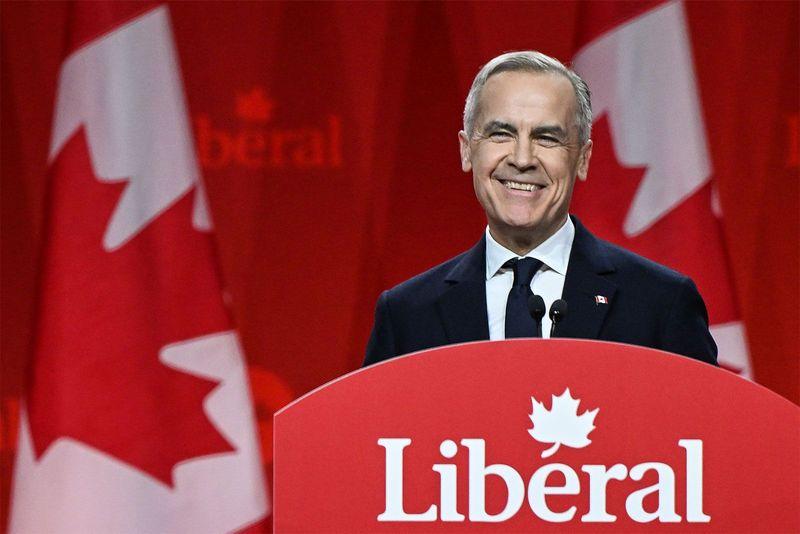
Prime Minister Mark Carney has repeatedly emphasised the country’s energy potential, describing Canada as “an energy superpower” and noting that increasing oil and gas exports to Asia could help offset economic losses linked to deteriorating relations with the United States.
According to Canada’s Ministry of Natural Resources, the project “supports Canada’s trade diversification strategy through enhanced ability to meet natural gas demand from Asian markets.”
The expansion, valued at approximately CAN$4 billion ($2.9 billion), will involve upgrading a pipeline system in British Columbia owned by energy giant Enbridge.
Construction is expected to begin this summer, with completion targeted for late 2028.
While the project is not expected to provide immediate relief to a global liquefied natural gas (LNG) market currently under pressure, it could play a significant role in the longer term.
The market has been strained by geopolitical tensions, particularly the ongoing conflict involving the United States and Iran.
The International Energy Agency warned on Friday, April 24, of sustained pressure on LNG supplies due to the crisis, which has driven up energy prices after Tehran effectively shut down the Strait of Hormuz, a key route for global oil and gas shipments.
With supply chains disrupted, analysts say Canadian energy exports, unaffected by Middle Eastern transit routes, could become increasingly attractive to Asian buyers.
The pipeline expansion may also have implications for North American trade dynamics.
While its primary focus is Asia, the infrastructure could facilitate additional LNG exports to the United States, potentially giving Canada leverage in future trade discussions with the United States President Donald Trump over the future of regional trade agreements.
Dangote unveils plan for mega Tanzania refinery to rival Lagos plant
Meanwhile, TheRadar earlier reported that Africa’s richest industrialist, Aliko Dangote, unveiled plans to construct a new oil refinery in Tanzania, modeled after his flagship 650,000 barrels-per-day facility in Lagos.
The proposed refinery will be located in Tanga and is expected to process crude oil sourced from countries such as the Democratic Republic of Congo and South Sudan.
The project is designed to serve as a regional energy hub for East Africa.