- Bill to increase the number of judges at the FCT High Court passed second reading
- The proposed amendment aimed to raise the number of judges from 75 to at least 100
- Deputy Speaker Benjamin Kalu led the debate, highlighting the court’s backlog and capacity challenges
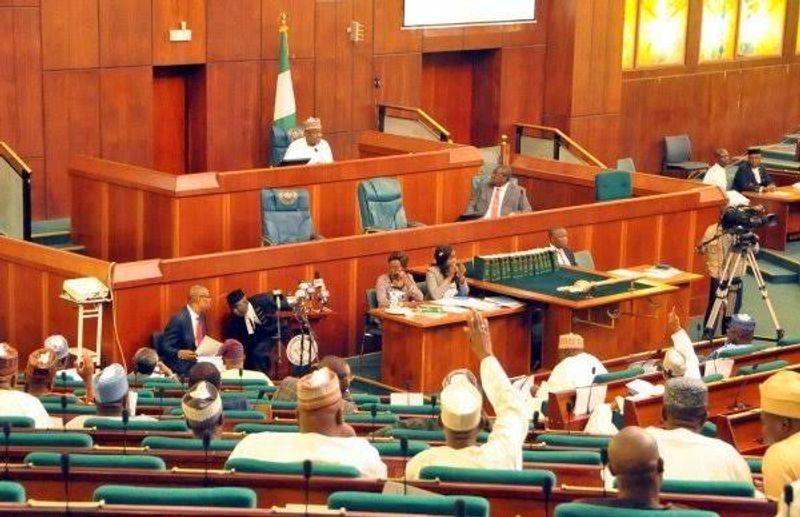
The House of Representatives has passed the second reading of a bill to expand the judicial bench at the High Court of the Federal Capital Territory (FCT).
The proposed bill aimed to amend Section 1b of the FCT High Court Act to raise the number of judges from 75 to at least 100.
The bill was introduced by Deputy Speaker Benjamin Kalu, alongside five other lawmakers: Kama Nkemkanma, Jonathan Gbefwi, Chinedu Obika, Jafaru Leko, Babajimi Benson, Akin Rotimi, and Joshua Gana.
Speaking at the plenary session on Thursday, November 21, Kalu led the discussion and noted that the FCT High Court faces a challenge in managing its caseload because of the "limited" number of judges available.
The lawmaker said, “inadequacy significantly affects” the rising volume and complexity of cases brought before the court.
“At the beginning of the 2022/2023 legal year, the FCT high court carried forward 12,513 pending cases from the previous year, underscoring a substantial backlog,” Kalu stated.
“Over the same period, the court assigned an additional 5,952 new cases, bringing the workload to a level that greatly strains available judicial resources,” the lawmaker added.
He argued that the existing number of judges is not sufficient to meet the demands of the court’s caseloads.
Abuja’s population fuels need for more judges - Kalu
“The considerable backlog reflects the limitations faced by the court in addressing the high volume of cases, which is only anticipated to increase with Abuja’s population growth and economic development.
“Given the rapid expansion of Abuja’s population, coupled with an increasing caseload spanning various legal domains, the need for additional judges has become pressing.
“This amendment Bill is therefore introduced to address these systemic challenges by increasing the statutory number of judges for the High Court of the Federal Capital Territory.”
Kalu pointed out that increasing the number of judges would help reduce case delays, ensure smoother case management, and ultimately foster greater public confidence in the judiciary.
Lawmakers backed the bill when it was put to a voice vote by Tajudeen Abbas, the Speaker of the House.
Diaspora voting bill passes second reading in the House of Reps
Meanwhile, TheRadar earlier reported that the Bill for diaspora voting passed a second reading in the Nigerian House of Representatives.
Lawmakers debated the importance of extending voting rights to Nigerians outside the country.