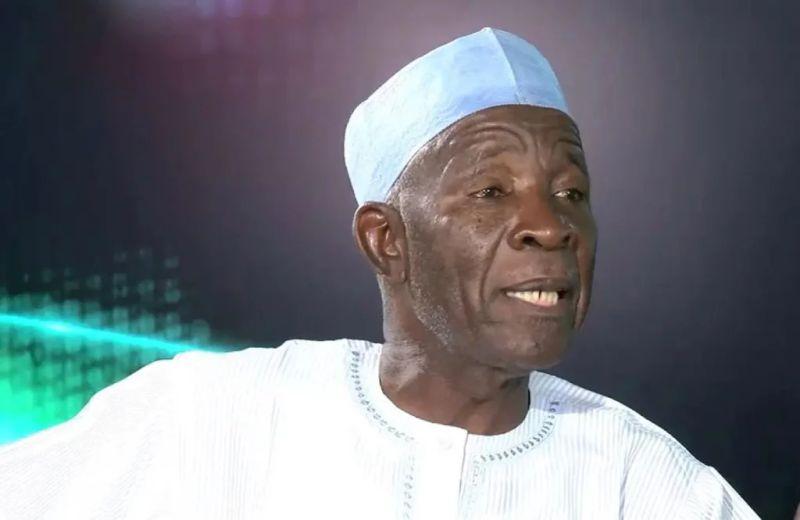
- NNPP chieftain Buba Galadima says Peter Obi and Rabiu Kwankwaso will announce a new political platform on Monday
- The planned move signals a fresh opposition realignment ahead of the 2027 general elections
- Galadima warned supporters to expect coordinated media and social media attacks after the announcement
A major opposition realignment may be unfolding ahead of the 2027 general election, with former Anambra State Governor Peter Obi and former Kano State Governor Rabiu Kwankwaso expected to unveil a new political platform on Monday, May 4, according to NNPP chieftain Buba Galadima.
Galadima, who spoke on Saturday, May 2, at a stakeholders’ meeting organised by the Obi-Kwankwaso Movement in Abuja, said supporters should prepare for a major announcement that could alter the shape of opposition politics in Nigeria.
His comments come amid weeks of uncertainty over the political future of both men and growing tension within opposition ranks ahead of the next election cycle.
While Galadima did not directly name the platform, sources close to both camps said Obi and Kwankwaso have concluded talks to move into the Nigeria Democratic Congress, a relatively new political platform linked to former Bayelsa State Governor Seriake Dickson.
A source familiar with the negotiations said both camps had spent the last two days finalising documents with Dickson and NDC officials ahead of the planned announcement.
“Both Obi, Kwankwaso and their chieftains were on ground between yesterday and this morning signing the relevant documents with Senator Dickson and the NDC leaders,” the source said.
The insider added that the move was partly driven by concerns over internal power struggles in the ADC and fears that the party had become too closely tied to former Vice President Atiku Abubakar’s presidential ambitions.
“We don’t want a repeat of what happened in the ADC to occur again,” the source said. “All is now set. Both Obi and Kwankwaso will announce their defection from the ADC on Monday.”
Galadima also warned supporters to brace for backlash once the announcement is made, alleging that coordinated media attacks and online criticism would follow.
“As from Monday, when our leaders declare on which platform they will run, I want to tell you that one of two things will happen,” he said.
“First, they will sponsor columnists. Two, they will deploy social media influencers to start attacking our candidates.”
He urged loyalists to respond strategically, particularly on social media, while insisting supporters should avoid initiating attacks but be ready to push back when necessary.
“Don’t call anybody any name until they call our leaders names,” Galadima said. “Then we will respond with the greatest might of intellect in us.”
Galadima further claimed that opposition parties had come under sustained pressure in recent months, alleging that several political platforms had been weakened through internal disruption and external interference.
He named parties including the SDP, PDP, ADC, NDP and PRP as examples of what he described as a broader effort to dismantle opposition structures ahead of 2027.
Also speaking at the event, businessman Isaac Fayose threw his weight behind the proposed Obi-Kwankwaso alliance, describing it as a viable electoral alternative and claiming the coalition already had strong support across much of the country.
“This time, I can tell you that we have already won in 28 out of 36 states,” Fayose said, expressing confidence in the alliance’s electoral chances.
Activist Aisha Yesufu also used the event to call for unity across ethnic and regional lines, urging Nigerians to reject divisive politics and embrace national cohesion.
“It is time for us to become a nation that is working,” she said. “The next time they say to you that this is an Igbo, Hausa or Yoruba person, tell them indeed, we are all Nigerians.”
Her remarks underscored a central theme of the gathering: that any viable opposition coalition ahead of 2027 must build beyond regional identity and present a broader national front capable of challenging the ruling party.
Kwankwaso defects to ADC, boosting Party’s growing coalition
Meanwhile, TheRadar earlier reported that the African Democratic Congress (ADC) had announced the defection of former Kano State governor and 2023 presidential candidate of the New Nigeria Peoples Party (NNPP), Rabiu Musa Kwankwaso, into its ranks.
The party described the move as a reflection of growing public sentiment that Nigeria requires leadership capable of addressing citizens’ everyday challenges while taking responsibility for national development.
ADC emphasised that Kwankwaso’s extensive governance experience, grassroots appeal, and reputation as a unifying figure would significantly strengthen its efforts to rebuild the country and expand its political influence.