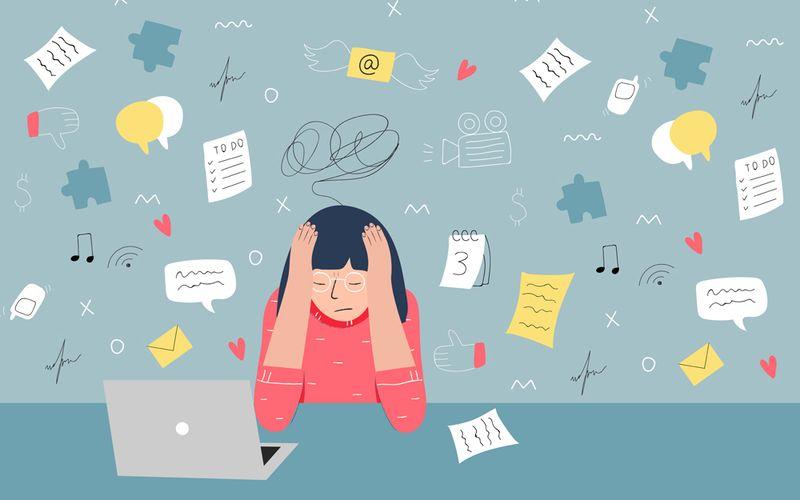
- Stress often shows up through physical symptoms before people recognise it
- Many Nigerians mistake warning signs for normal effects of everyday hustle.
- TheRadar has compiled 12 stress symptoms we often overlook until it's too late
In Nigeria , we often blame being tired on traffic, blackouts, work pressure, and even "adulting."
But what if your body has been screaming for help for months and you've been calling it "normal"?
In a country where people hustle through fuel queues, rising bills, endless deadlines, and daily uncertainty, stress has become so common that many Nigerians no longer recognise when it's becoming dangerous.
It often starts with small changes you ignore, until your body decides it has had enough.
Here are 12 stress symptoms many Nigerians brush aside until they become serious problems.
12 stress symptoms to look out for
1. You're always tired, even after sleeping
You've slept for seven or eight hours, yet you wake up feeling like you spent the night carrying bags of cement.
Chronic stress keeps your body in a constant state of alertness. Even when you're asleep, your mind may not be getting the rest it needs.
If you're constantly exhausted despite getting enough sleep, stress could be the hidden culprit.
2. Your headaches have become "normal”
Some people just take painkillers and move on.
A headache after work, another one after dealing with traffic, and one more after checking account balances.
But frequent headaches can be one of the earliest signs that stress is putting pressure on your body.
The danger is that once headaches become routine, people stop paying attention.
3. You're more irritable than usual
Little things suddenly annoy you like when someone talks too loudly, a colleague asks a simple question, or the internet slows down for five seconds.
Stress can shorten your patience and make emotional reactions stronger than usual.
What looks like a bad mood may actually be your mind waving a red flag.
4. Your memory keeps failing you
Ever walked into a room and forgotten why you went there or read the same WhatsApp message three times before understanding it?
Stress can affect concentration and memory, making even simple tasks feel harder.
It's not always forgetfulness, sometimes it's mental overload.
5. Your stomach is acting strange
Here's a symptom many people never connect to stress.
Sudden stomach discomfort, loss of appetite, eating too much, or feeling nauseous for no obvious reason. The brain and digestive system are closely connected.
When stress levels rise, your stomach often gets the memo before you do.
6. You're getting sick more often
That recurring cold and the constant feeling that you're "coming down with something."
Stress can affect how well your body responds to illnesses, making you feel run down more frequently.
Many people blame weather changes without realising stress may be playing a role.
7. You can't switch off your thoughts
Your body is in bed but your mind is not because you're replaying conversations from three weeks ago, calculating bills, worrying about work, and planning tomorrow's problems.
Persistent overthinking can be a sign that stress has moved beyond a temporary issue.
And the longer it continues, the harder it becomes to rest.
8. Your sleep has become a mess
Some people can't fall asleep while others wake up repeatedly during the night or sleep for long hours and still feel exhausted.
Changes in sleeping patterns are among the most common ways stress shows up.
The problem is that poor sleep then creates even more stress, a cycle that's difficult to break.
9. Your body aches for no clear reason
Your shoulders hurt, your neck feels tight, or your back feels stiff. Yet you haven't done any heavy physical work.
Stress can cause muscles to remain tense for long periods, leading to aches and discomfort that seem to come from nowhere.
10. You're losing interest in things you enjoy
Remember that hobby you used to love?
When stress becomes overwhelming, people often stop enjoying activities that once made them happy.
Many mistake this for boredom when it's actually a warning sign.
11. You're stress-eating or skipping meals
Some people cope with stress by constantly snacking and others lose their appetite completely.
If your eating habits have changed dramatically without a clear reason, stress could be influencing your behaviour more than you realise.
And yes, that late-night "comfort food" run might be telling a bigger story.
12. Your heart seems to race more often
You receive a message from your boss, your chest tightens and your heart starts pounding.
Stress can trigger physical reactions that feel intense and alarming. While occasional nervousness is normal, repeated episodes shouldn't be ignored.
If symptoms become severe or concerning, seeking medical attention is important.
Why Nigerians often miss these signs
Because stress has become normalised, people celebrate being busy. They wear exhaustion like a badge of honour.
Someone says they're overwhelmed and the response is often, "Na so life be," but your body doesn't care whether stress is common. It only cares how much pressure it's carrying.
Stress isn't always loud. Sometimes it whispers through headaches, poor sleep, stomach issues, forgetfulness, and constant fatigue.
Ignore those whispers long enough and they may become something much harder to ignore later.
That's why paying attention to small changes matters. Your body often sends warnings before it sends emergencies.
Life in Nigeria can be demanding. Between work, finances, family responsibilities, traffic, power issues, and the pressure to keep moving, it's easy to assume feeling stressed all the time is normal.
The earlier you recognise the symptoms, the easier it becomes to make changes before stress starts affecting your health, relationships, productivity, and overall quality of life.
Sometimes the strongest thing you can do isn't pushing harder. It's recognising that your mind and body need a break.
15 simple daily habits that can instantly improve your mood
Meanwhile, TheRadar earlier compiled 15 effective mood-boosting habits that are completely free and can be practiced by anyone, regardless of their income level.
People automatically blame money problems, traffic, fuel costs, or power outages whenever they feel unhappy, but the real cause may be hidden in their daily routines.
The popular belief is that happiness can only come after achieving financial stability or fixing every life problem.