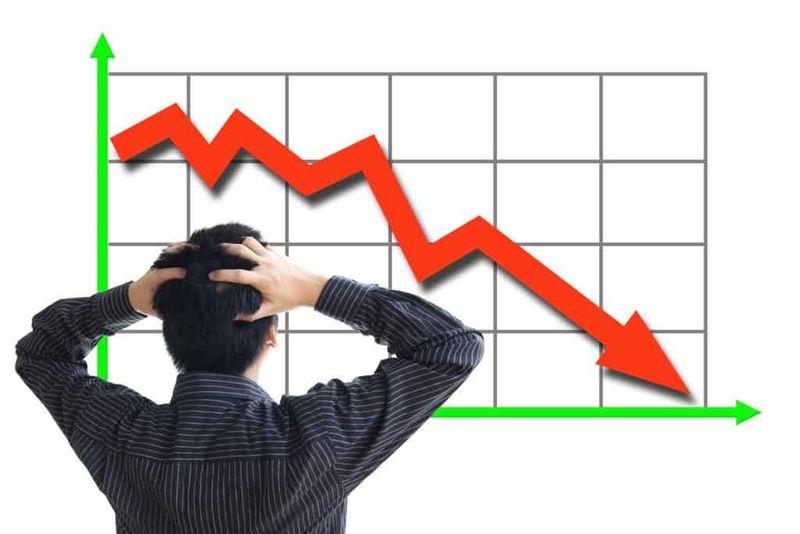
- Short-term stock market losses are a normal part of investing, and long-term investors often view market downturns as opportunities rather than reasons to panic.
- Diversifying investments, researching companies thoroughly and investing only money you won't need in the short term can help reduce investment risk
- For young Nigerians, building financial knowledge and maintaining a long-term investment mindset are often more important than reacting to daily market fluctuations
Watching the stock market can feel like riding a rollercoaster. One week, investors are celebrating record gains. The next, headlines are filled with falling share prices, declining market capitalisation and fears of another market downturn.
For many young Nigerians, these fluctuations raise an important question: Is investing in the Nigerian Exchange (NGX) still worth it, or is it simply too risky?
The answer isn't as straightforward as a yes or no.
Every investment carries risk, and the stock market is no exception. However, history has shown that short-term losses don't always tell the full story. Understanding how the market works—and investing with the right mindset—can help you make smarter financial decisions instead of reacting to every market headline.
Here's what every young investor should know before writing off the NGX.
1. Stock market losses are a normal part of investing
One of the biggest misconceptions about investing is that stock prices only go up.
In reality, markets move in cycles. Prices rise during periods of optimism and fall when investors become cautious because of inflation, interest rates, economic uncertainty or global events.
Temporary declines are part of how financial markets work. Experienced investors understand that volatility is often the price of earning higher long-term returns.
2. Investing is a marathon, not a sprint
Many first-time investors expect quick profits.
But the stock market generally rewards patience rather than short-term speculation. Investors who buy quality companies and hold them over several years are often better positioned than those who panic and sell whenever prices fall.
If your financial goal is five or ten years away, today's market movement may matter far less than you think.
3. Lower prices can create opportunities
When stock prices fall, many people see only losses.
Long-term investors often see something different: the chance to buy shares in strong companies at lower prices. Just as shoppers appreciate discounts in supermarkets, some investors view market downturns as opportunities to purchase quality assets at more attractive valuations.
Of course, not every falling stock is a bargain. Careful research remains essential.
4. Diversification reduces risk
Putting all your money into one company is rarely a wise strategy.
Diversifying across different industries—such as banking, consumer goods, telecommunications, agriculture and manufacturing—can reduce the impact if one sector performs poorly.
Many financial experts also recommend balancing stock investments with other assets such as fixed-income securities, mutual funds or savings, depending on your financial goals and risk tolerance.
5. Invest in businesses you understand
One of the easiest mistakes beginners make is buying shares simply because someone on social media says they're "about to explode."
Successful investing starts with understanding the business behind the stock. How does the company make money? Is it profitable? Does it have a strong competitive position? What are its future growth prospects?
Investing based on research is generally more sustainable than investing based on rumours.
6. Don't invest money you'll need immediately
The stock market isn't the right place for your rent, tuition fees or emergency savings.
Because prices can fluctuate, it's important to invest only money you can afford to leave untouched for several years. Keeping an emergency fund separate from your investments can prevent you from selling shares at a loss when unexpected expenses arise.
Financial flexibility gives your investments time to recover from market downturns.
7. Financial knowledge is your greatest investment
You don't need to be a financial analyst to invest successfully, but you do need to understand the basics.
Learning about risk, dividends, company financial statements, market trends and long-term investing can help you make more informed decisions. The more you understand how the market works, the less likely you are to panic during periods of volatility.
In investing, knowledge is often more valuable than trying to predict tomorrow's stock prices.
Surviving the N1,400/dollar rate: 11 ways to protect your naira in 2026
Earlier, TheRadar compiled 11 practical ways to reduce the impact of currency depreciation without taking unnecessary risks.
As the naira battles an exchange rate of N1,400/$, Nigerians are increasingly looking beyond traditional savings to preserve the value of their money
Protecting your wealth isn't about predicting the exchange rate, it's about building habits that help your money retain value regardless of where the dollar goes next.