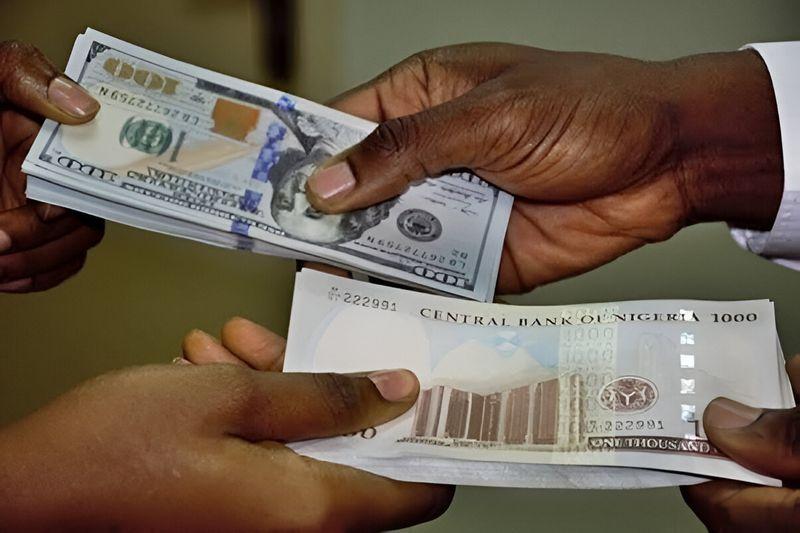
- The naira exchange rate can change several times within a single day, making outdated rates costly
- The rapid FX changes mostly affect freelancers, importers, online shoppers, students, and dollar earners
- Here are practical ways to monitor the dollar-to-naira rate and avoid losing money on foreign exchange deals
When last did you check the dollar rate before you sent money, changed cash, or priced something in dollars?
If your answer is "I asked my aboki" or "I just used what my bank showed me," sit down. We need to talk.
Because right now, as you are reading this, the naira rate that your bank app is showing could have changed three times since this morning.
Why your bank app is always behind
Banks don't update FX rates every second. Some only refresh once or twice a day.
Meanwhile, the parallel market (the one your aboki uses) moves almost hourly, depending on demand.
This gap is exactly how people get gapped, you budget based on one rate, then go to actually spend and the ground has shifted under your feet.
Here's the thing nobody tells you: you don't need to depend on one source. Smart money tracks from multiple places, in real time, for free.
Free tools to track exchange rate
1. AbokiFX
If you've ever asked "how much is dollar to naira today" on Google, chances are AbokiFX showed up.
It's been the go-to reference point for parallel market rates for years.
People use it because it is quick, familiar, and breaks down both official and black market rates side by side.
Meanwhile, always cross-check. One site should never be your only source.
2. Google
Type "1 USD to NGN" into Google search and it'll show you a live-ish converter instantly.
It pulls from financial data partners and updates frequently through the day.
No app download, no data wahala, works even on a browser with 2% battery left.
However, this usually reflects the official/interbank rate, not what you'll get if you're changing cash at a BDC or on the street.
3. XE Currency App / Xe.com
XE has been in the currency-converter game long before "fintech" was even a word people used in Nigeria.
The app lets you set your preferred currency pair (USD-NGN, GBP-NGN, EUR-NGN) and check it live, plus see historical charts.
If you send or receive money internationally often, the historical trend charts help you know if today is actually a good day to convert or if you should wait.
4. Your fintech app's rate page (Chipper Cash, Wise, etc.)
A lot of the apps you already have on your phone for sending money also show live rates, even if you're not transacting.
Wise in particular is known for showing the mid-market rate, which is basically the real rate before any bank margin gets added.
Comparing the mid-market rate to what a platform is offering you tells you exactly how much margin they're chopping off your money.
5. X (Twitter)
There are Nigerian finance pages and FX commentators on X who drop rate updates faster than most apps can refresh.
This also works because it's crowd-sourced in real time. Someone just changed money in Lagos, Abuja, or Kano and is posting the rate right now. That's speed no app can beat.
Verify before you act, anyone can post anything.
The real hustle isn't finding one perfect app. It's cross-checking at least two sources before you make any FX move.
Because the moment you rely on just one number, you become the person who didn't know that the rate has changed, and in this economy, that mistake costs real money.
The naira rate today is not the naira rate tomorrow, and definitely not the naira rate your bank showed you last week.
Free tools exist. Use more than one. Check before you send, change, or price anything in dollars.
20 lucrative business ideas you can explore in 2025
Meanwhile, TheRadar earlier compiled a list of 20 Nigerian business ideas spanning agriculture, fashion, tech, and lifestyle industries to inspire you, whether your goal is to launch a low-cost company, take advantage of online business models, or develop creative concepts.
Nigeria offers endless opportunities for creative entrepreneurs.