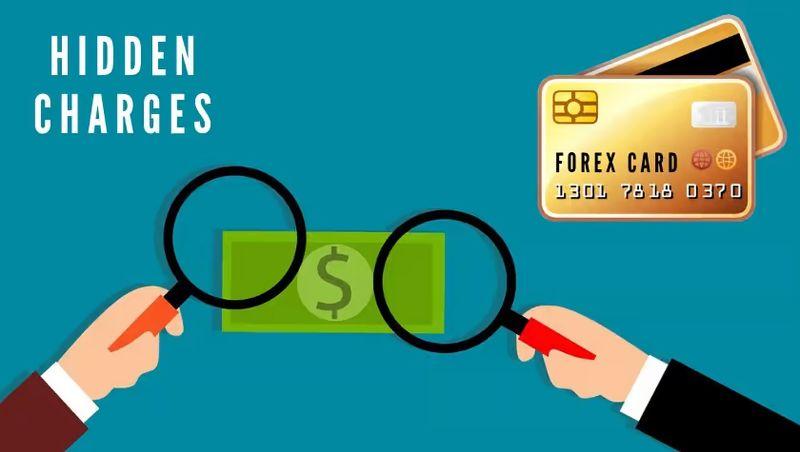
- Nigerian banks are quietly rolling out new forex transfer charges, and the smart money is already restructuring how they move dollars
- The CBN's new Forex Manual opens up loopholes and legit hacks for PTA, school fees, and card spending that most people don't know yet
- Here's a guide on how to time, split, and route your forex transfers so the bank's new charges eat as little of your money as possible
You could be paying more than you need to every time you send dollars abroad.
With Nigerian banks introducing new forex transfer charges, many people are focusing on the extra costs. But if you understand how the new charges work, you could actually spend less overall.
Whether you're paying school fees, sending money to family, paying suppliers or receiving freelance payments, there's a smarter way to move your money.
What actually changed?
Under the new charges, sending forex within certain banks now attracts a percentage-based fee plus VAT on top instead of the flat charges you were used to.
That means the more money you send, the more the bank takes. It's no longer a small flat fee you can shrug off; it scales with your transfer.
On top of that, the CBN's new Foreign Exchange Manual, which is the first major update to forex rules in almost a decade, has tightened documentation requirements for banks, with penalties running into the hundreds of millions of naira for banks that mess up paperwork.
Translation: banks are now extra careful, extra strict, and extra ready to pass costs down to you. But that carefulness is exactly where your first hack lives.
8 ways to beat the new bank forex transfer charges
1. Know your PTA limit
Personal Travel Allowance (PTA) still exists, and it's still one of the cheapest legal ways to access forex through your bank.
If you're travelling, load your travel card early and spend directly abroad instead of doing a straight transfer. Card transactions often dodge some of the transfer-specific fees entirely. That's loophole number one.
2. Stop sending small, frequent transfers
This one is pure street math. If your bank's new charge is percentage-based plus VAT, sending N20k five times costs you more in cumulative fees than sending one lump sum.
3. Time your transfer around bank charge cycles
Some charges are tiered, meaning the fee percentage or cap changes depending on how much you're sending in one go.
If your transfer is sitting right at the edge of a bracket, splitting it smartly into two transfers that each fall into a cheaper tier can actually save you money.
4. Students and families sending school fees
If you're sending school fees abroad, there are still direct-to-institution channels that come with different (often better) treatment than a regular personal transfer.
Sending straight to the school's account, properly documented, keeps you inside the "clean" lane the CBN actually wants.
Off-campus allowance also has its own bracket, separate from tuition. Don't let your bank lump both together; ask for the correct classification.
5. Ask for the breakdown
Nigerian banks are now required to be more transparent about what exactly they're charging you for, thanks to the updated Guide to Charges. Most people never ask for the breakdown. They just watch the alert come in short and move on with their day.
Ask your bank app or your branch for the fee breakdown before you confirm any forex transfer. If something looks inflated, you have grounds to push back and negotiate.
6. Fintech isn't always the escape route
A lot of people's default move used to be, "Abeg, let me just use a fintech app instead." That escape route is narrowing.
Fintech platforms have increasingly been brought under similar levy and compliance nets as banks. So before you assume the app is automatically cheaper, actually compare the total cost against your bank.
7. Use the right account for dollar transactions
If you frequently receive or send foreign currency, using the appropriate domiciliary or foreign currency account could make transactions smoother. Ask your bank which account best fits your needs before making regular transfers.
8. Read the fine print before you confirm
Many people only notice deductions after the money has already been sent.
Before confirming any forex transfer, check:
- Transfer charge
- Correspondent bank charges
- Exchange rate
- Processing time
- Total amount the recipient will receive
Those few extra seconds could prevent expensive surprises.
Who benefits the most?
The people likely to gain the most from these strategies include:
- Freelancers receiving payments from international clients.
- Nigerian students paying tuition overseas.
- Importers buying goods from foreign suppliers.
- Families supporting relatives abroad.
- Remote workers earning in foreign currencies.
- Businesses making regular international payments.
If you fall into any of these groups, understanding the new charges is now part of managing your money wisely.
Surviving the N1,400/dollar rate: 11 ways to protect your naira in 2026
Earlier, TheRadar compiled 11 practical ways to reduce the impact of currency depreciation without taking unnecessary risks.
As the naira battles an exchange rate of N1,400/$, Nigerians are increasingly looking beyond traditional savings to preserve the value of their money
Protecting your wealth isn't about predicting the exchange rate, it's about building habits that help your money retain value regardless of where the dollar goes next.