• A flyer carrying NAFDAC's name and logo, titled "Urgent Public Health Warning: Stop Drinking Alcohol Now", claims 90% of alcoholic drinks sold in Nigeria are fake, adulterated and deadly.
• NAFDAC said on its official X account on Sunday 15 November that it neither produced nor authorised the flyer and that its claims should be disregarded.
• The denial does not mean fake drinks are a myth: NAFDAC seized counterfeit and "revalidated" alcohol worth over ₦2 billion at Lagos's Trade Fair Complex in October, but no official figure shows what share of drinks on the market is fake.
A party planner pricing crates of spirits for a December wedding gets a forwarded image on WhatsApp: a green NAFDAC logo, a red headline, and a warning that nine in ten bottles on Nigerian shelves could blind or kill the drinker. In a season of owambes, end-of-year parties and Detty December shows, a message like that travels fast.
The flyer is real in the sense that it exists and has been passed around online. Its claims are not NAFDAC's. The agency disowned it in a statement shared on its official X handle, as P.M. News reported on 15 November, with the same wording carried by The Eagle Online, Blueprint and African Health Report.
What the flyer says, and who it claims to speak for
According to those reports, the flyer is headed "Urgent Public Health Warning: Stop Drinking Alcohol Now". It urges Nigerians to stop drinking alcoholic beverages immediately and claims that 90% of alcoholic drinks sold in Nigeria are fake, adulterated and deadly.
It then lists what it says can follow: rapid kidney and liver failure, severe vomiting and abdominal pain, permanent blindness and sudden death. The NAFDAC name and logo at the top are what give it weight. To someone scrolling quickly, it looks like an official health alert.
The outlets that reported NAFDAC's response describe the flyer only as circulating online. None of them names the platform it started on, the account that first posted it, or how many times it was shared. That is worth keeping in mind: the claim is real and was widespread enough for the regulator to respond, but its origin has not been traced publicly.
NAFDAC's answer: not ours, ignore it
The agency's statement was short. "NAFDAC wishes to categorically state that the flyer was neither produced nor authorised by the agency for circulation," it said. "The claims contained in it should be disregarded."
It told the public to rely on its verified channels for official health alerts and added: "Always verify information before sharing." African Health Report's account of the statement says the agency also rejected the 90% figure itself while stressing that it continues to act against counterfeit, adulterated and substandard products.
So the verdict on the flyer as a document is clear: it is not a NAFDAC warning. The 90% figure has no official source behind it. NAFDAC has not published any estimate of what share of drinks sold in Nigeria is fake, and the flyer cites no study, survey or test results of its own.
NAFDAC has also not told Nigerians to stop drinking. Its actual alcohol policy is narrower. A ban on alcoholic drinks in sachets and in PET or glass bottles under 200ml took effect on 1 January 2026, and in August the agency ordered manufacturers to recall and destroy such products at their own expense, saying the small packs are easy for minors to get and to hide. That is a rule about small, cheap packs, not a warning against all alcohol.
Where the flyer borrows from a real problem
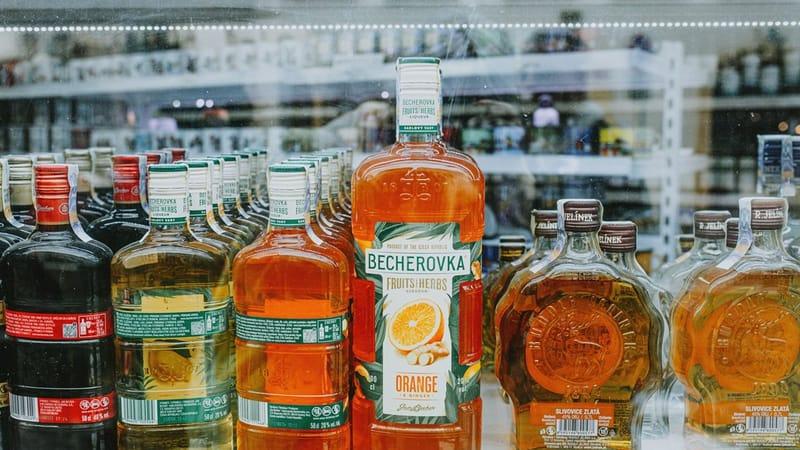
The flyer works because it sits on top of something true. On 13 October, NAFDAC's Investigation and Enforcement Directorate raided the International Trade Fair Complex in Lagos. In its own statement, quoted by Nairametrics, the agency said operatives found more than 20 illegal stores in makeshift parking spaces where suspects were allegedly blending and counterfeiting popular brands, revalidating expired drinks for resale, and stockpiling banned imports.
"Two suspects were apprehended, and products seized and evacuated are valued at over N2 billion," the agency said. P.M. News reported the same figures. Earlier in October, Nairametrics reported, NAFDAC seized drinks estimated at ₦300 million at Ile-Epo Market in Lagos in an operation targeting banned sachets and small bottles.
The health effects listed in the flyer are not invented either, but they belong to a specific danger rather than to drinking in general. Badly made or adulterated spirits can contain methanol, a toxic alcohol found in products such as antifreeze and paint thinner. The US National Library of Medicine's MedlinePlus page on methanol poisoning lists blurred vision and partial or complete blindness among the symptoms and says blindness is common and often permanent, even with treatment. In September, NAFDAC said its tests found high concentrations of methanol in drinks linked to 48 deaths in Ondo State.
What does not follow is the leap from "some fake drinks exist and some can be dangerous" to "90% of drinks are fake, stop drinking now". The first is supported by NAFDAC's own enforcement record. The second is supported by nothing on the record.
What is true and what is not, in short
- Not true: that NAFDAC issued the flyer. The agency says it did not.
- No evidence: that 90% of alcoholic drinks in Nigeria are fake. No official figure exists, and NAFDAC rejected the claim.
- Not true: that NAFDAC has told Nigerians to stop drinking alcohol. Its ban covers sachets and bottles under 200ml.
- True: counterfeit, revalidated and expired alcohol is being sold. NAFDAC's ₦2 billion Trade Fair seizure in October is the largest recent case, and on 16 November the agency said it had destroyed more than 50,000 empty branded bottles at Iyana Oba, Lagos.
- True: methanol-tainted drinks can cause blindness and death, which is why vision problems after drinking need urgent medical care.
The practical steps NAFDAC repeats in its statements are simple: buy from known sellers, check that the label carries a NAFDAC registration number, look for broken or tampered seals and blurred or misspelt labels, and report suspicious products through the agency's official channels. Any alert that claims to come from NAFDAC can be checked against its verified X account and website before it is forwarded.
The busiest drinking weeks of the year are still ahead, and the agency's raids have so far been concentrated in Lagos markets. Whether NAFDAC publishes any data on how widespread counterfeit alcohol actually is, or announces fresh seizures before Christmas, is the thing to watch.
Also read: NAFDAC says it never banned Camosunate. How to check a medicine's status yourself
Also read: Buying a Detty December ticket in Lagos? How to tell a real one from a fake
Did the NAFDAC flyer reach your family WhatsApp group, and did anyone believe it? Tell us in the comments.