• A Standard Visitor visa for a Nigerian parent or relative costs £135 per person for a stay of up to six months, about ₦242,000 at the CBN's 27 November 2026 rate, and gov.uk says a decision usually comes within three weeks once identity and documents are in.
• If a child or relative in the UK is paying for the trip or hosting it, Home Office guidance says the application should show what support is being given, how, the relationship, that the sponsor can afford it and that the sponsor is in the UK legally.
• No document guarantees a visa: UKVI says submitting any listed paper does not ensure success, its guidance sets no fixed amount of money a visitor must show, and a parent may help with a new baby only if the arrangement is temporary and informal.
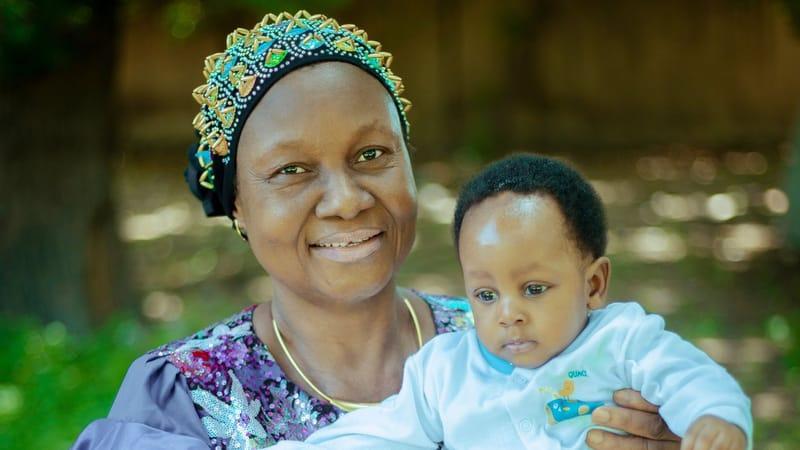
Picture a nurse in Manchester, two years into her UK job, trying to get her mother over before the baby arrives. The spare room is ready; the question is what her mother actually needs to submit.
The answer sits across three gov.uk pages: the Standard Visitor visa guide, UK Visas and Immigration's "guide to supporting documents" (last updated 8 October 2026) and the Visit caseworker guidance that officers use to decide cases. The October update to the caseworker guidance lists "clarified guidance on caring for relatives during a visit" among its changes.
The fee, the long-term options and the clock
Gov.uk lists the Standard Visitor visa at £135 for up to six months. Parents who expect to visit often can apply for a long-term visitor visa instead: £506 for two years, £903 for five years and £1,128 for ten years, each still limited to six months per visit. At the CBN's central rate of ₦1,792.76 to the pound on 27 November 2026, those come to about ₦907,000, ₦1.62 million and ₦2.02 million. The gov.uk application page warns that there is no refund if UKVI gives a shorter visa than requested or refuses the application.
The earliest a visitor can apply is three months before travel. Gov.uk's processing-times page, last updated 9 September 2026, lists the Standard Visitor at three weeks, counted from the visa application centre appointment (or from identity checks through the UK Immigration: ID Check app), not from payment. Where available, priority service costs £500 extra for a decision usually within five working days, and super priority costs £1,000 for a decision usually by the end of the next working day. Gov.uk advises against booking travel before a decision.
What the application form asks a parent
The online form asks for travel dates, where the visitor will stay, the trip's expected cost, home address, yearly income and any criminal, civil or immigration offences. It may also ask for 10 years of travel history, the name and address of anyone paying for the trip, and the name, address and passport number of family members in the UK.
The passport must be valid for the whole stay. Documents not in English must come with a full translation that the Home Office can verify, signed and dated by the translator. A tuberculosis test certificate is only needed for visits of more than six months.
What the UK child or relative should prove
UKVI's guide to supporting documents says the applicant should show their circumstances at home, for example an employer's letter on headed paper with role, salary and length of service, business registration documents or recent invoices for the self-employed, old passports and bank statements that show where the money came from. Where a sponsor in the UK is providing travel, upkeep or accommodation, the guide asks for evidence of the support, how it is given, the relationship, the sponsor's ability to support themselves and their own dependants, and the sponsor's legal status.
The same guide lists papers it calls less useful: bank statements more than a year old, credit card statements, personal photographs, hotel and flight bookings (unless transiting), travel insurance, and the sponsor's utility and council tax bills.
The reasons officers give for doubting a visit
The Visit caseworker guidance sets out, in a list it calls not exhaustive, reasons an officer may doubt someone is a genuine visitor. They include having few family and economic ties at home while several family members live in the UK; a past attempt by the applicant, sponsor or close family to deceive the Home Office; differences between what the applicant and the sponsor say, especially on facts the sponsor should know; information that cannot be verified; and reasons for the visit that are not credible.
On money, the guidance says there is no set level of funds. Officers weigh income and savings against commitments at home, such as rent and dependants, and may check further where money arrived in an account only recently. A January 2025 update clarified that supporting documents must match what the form says about finance and income. Travel history showing someone is effectively living in the UK through repeated visits is also grounds for refusal. On childcare, it says a family member can come to look after a child or relative if the arrangement is temporary and informal and is not employment as a childminder or carer; acting as an au pair is not allowed.
The guidance keeps one refusal letter template for visit refusals with no right of appeal and another for those with a right of appeal on human rights grounds. TheRadar could not confirm official 2026 refusal figures for Nigerian visitors from the pages it opened.
For a parent planning a Christmas or spring visit, the work is mostly in the paperwork: a home life that is clearly documented, sponsor support backed by the sponsor's own evidence, and figures that match across the form and the bank statements. Rules and fees change, so check the official gov.uk Standard Visitor page before paying, or speak to an OISC-registered adviser or solicitor about your own case.
Also read: A UK visit visa costs about ₦246,000. What Student and Skilled Worker visas add up to
Also read: How to renew a Nigerian passport in the UK: the £20 admin fee and the steps
Has a parent of yours been granted or refused a UK visit visa, and what made the difference? Tell us in the comments.