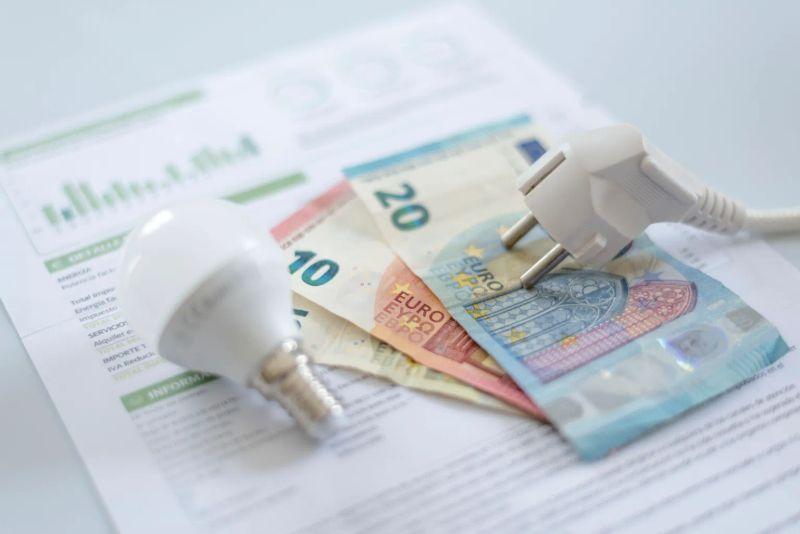
- Nigerian families can cut electricity bills without buying expensive gadgets by changing a few daily habits
- Simple tricks like unplugging hidden power users and using appliances at the right time can save more money than many people realise
- Here are 10 practical electricity-saving hacks that work whether you're using prepaid meters, estimated billing, or Band A power
Your NEPA token finished three days early again.
You're not imagining it, Nigerian electricity bills have been climbing steadily since the Band A tariff review. But here's the thing nobody's telling you: most of what's inflating your bill is fixable in one afternoon, for free.
Here are 12 practical hacks to reduce electricity bills in Nigerian homes that can help you spend less while still enjoying the comfort of electricity.
12 hacks to reduce your electricity bill
1. Stop "phantom power" from robbing you blind
That phone charger still plugged in with nothing attached to it? It's drawing current silently every single day.
Electronics on standby quietly sip electricity even when "off." Nigerians call it "sleeping current," and over a month, it adds up more than you'd expect.
Use a power strip with a switch.
2. Your fridge placement is costing you
If your fridge is squeezed against a wall or sitting near your gas cooker, it's working overtime to stay cool.
That extra strain means more current pulled, more heat generated, more money gone. It's one of the most ignored bill-inflators in Nigerian kitchens.
Leave at least a few inches of space behind and beside your fridge. Let it breathe.
3. Ditch the old bulbs
Everybody's heard "use LED bulbs" until it becomes background noise. But have you actually swapped out that yellow incandescent bulb in your bathroom?
LED bulbs use significantly less power than the old filament types and last way longer too.
You can change one room at a time if the budget is tight. Start with the room you use most.
4. Iron smarter, not longer
That habit of ironing every single item in your wardrobe, one at a time, over 45 minutes? That's a bill spike waiting to happen.
Irons are one of the highest wattage appliances in an average home.
Batch iron or do everything in one go instead of multiple short sessions across the week.
5. AC temperature
Setting your AC to the coldest number doesn't cool the room faster, it just forces the compressor to work harder for longer.
This is one of those things everyone does out of habit, not logic.
Set it around 24°C and use the timer function. Your room stays cool, your compressor isn't screaming, and your bill stays sane.
6. Service your AC and fridge
Dust-clogged AC filters and fridge coils force your appliances to consume more power to do the same job.
Clean AC filters monthly and wipe fridge coils every few months. It's free labour for a real bill reduction.
7. Switch to a prepaid meter
Estimated billing has been draining Nigerian homes for years.
With prepaid, you see exactly what you're spending, in real time, no surprises, no "estimated" wahala at month end.
You can apply through your DisCo's metering programme. It's not instant, but it's worth the wait.
8. Wash full loads, not half loads
Running your washing machine for three shirts is the electricity version of driving a bus to carry one passenger.
Washing machines use a fixed chunk of power per cycle whether it's half full or completely full.
9. Unplug the water dispenser at night
Hot and cold water dispensers run 24/7 by default, heating and cooling water you're not even using while you sleep.
It's one of those "always on" appliances nobody thinks to question.
Switch it off before bed and turn it back on in the morning.
10. Generator habits that are quietly expensive
Overfilling your tank, running your gen on low load, or letting it idle empty of oil all burns more fuel and shortens its lifespan.
Run it closer to its rated capacity, not barely-there loads, and service it on schedule.
11. Take advantage of natural light
Nigeria is blessed with plenty of sunshine. Open your curtains during the day instead of switching on lights unnecessarily.
You'd be surprised how many hours of free lighting you're missing.
12. Buy energy-efficient appliances
That cheap appliance may cost you more in the long run.
When replacing appliances, check for energy-efficiency labels.
Efficient refrigerators, fans, air conditioners and televisions often consume significantly less electricity.
11 most popular solar brands in Nigeria, why Nigerians trust them
The rising fuel costs and unstable electricity supply are driving more Nigerians toward solar energy solutions.
Choosing the right brand could be one of the smartest investments Nigerians make for their homes, businesses, and digital hustles
TheRadar has rounded up the 11 most popular solar brands in Nigeria right now, brands that consistently show up in homes, offices, shops, estates, and businesses across the country.