
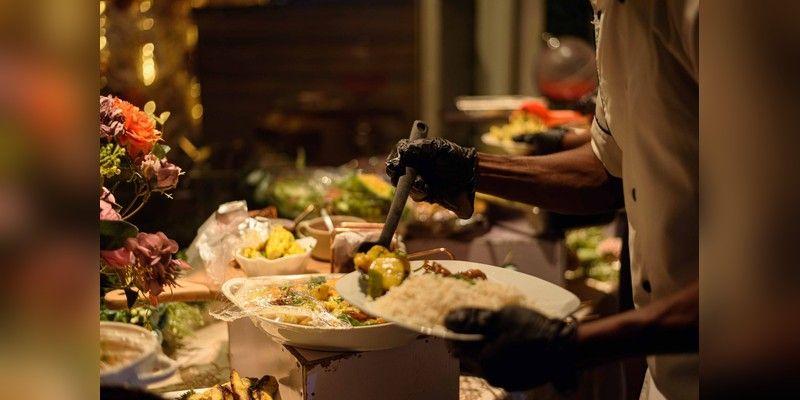
• Abuja’s Nigeria–China food festival brought 14 dishes from seven Chinese regions together with 12 Nigerian dishes representing six geopolitical zones, according to Voice of Nigeria.
• The Chinese Cultural Center in Nigeria hosted the one-day event in Abuja on 27 August, with food tastings, performances and exhibitions.
• A festival can create a first taste and a useful conversation; it cannot, by itself, prove that a new food market or business partnership will last.
The fastest way to test cultural diplomacy is to put a plate in front of someone who did not come for a speech. At the Nigeria–China food festival in Abuja, the menu did some of the talking: dishes from two countries, people sampling flavours, and the kind of practical curiosity that starts with, “What is this called?”
The event was over in a day. The interest it tried to spark may last longer—or it may not. That is what makes food festivals useful to watch: they offer a small, vivid test of what people are willing to taste before anyone starts calling it a trend.
What happened in Abuja
Xinhua reported that the Chinese Cultural Center in Nigeria held the festival in Abuja on 27 August, where attendees sampled dishes from both countries. Voice of Nigeria reported that the programme featured 14 dishes from seven regions of China and 12 Nigerian dishes from the country’s six geopolitical zones, alongside performances, exhibitions and food activities.
That count is worth noticing because it puts Nigerian food on the table as a full range of traditions, not as one token plate beside an international menu.
The first taste is the point
Food events work best when they give people a low-stakes way to meet an unfamiliar flavour. There is no need to understand trade policy before trying a skewer, asking about a spice or comparing a familiar soup with something new. The meal does the introduction first.
Speakers at the event described food as a route to cultural exchange and opportunity. The Federal Ministry of Information’s account says the minister’s representative pointed to possible connections for chefs, food entrepreneurs and hospitality businesses. Those are ambitions from the stage, not contracts or measured results.
One festival is not a food trend
It would be easy to see a busy tasting table and conclude that Abuja’s cravings have changed overnight. That is not how a lasting food habit is built. Price, location, repeat quality, delivery, word of mouth and whether someone returns with a friend all matter after the banners come down.
The festival shows that people were offered a chance to try something. It does not show which dishes will become regular orders, whether any business relationship will survive, or how citywide preferences will move. Those questions need more than one afternoon to answer.
Where the real opportunity starts
For local cooks and food businesses, the practical lesson is not “copy the menu.” It is that a curious diner is a real opening. A pop-up, a market stall, a tasting menu or a well-explained new dish can make a visitor pause long enough to consider an unfamiliar option.
Abuja’s festival was a snapshot of culinary exchange, not its conclusion. The serious test begins afterwards: when a flavour leaves the event hall and someone decides it is worth finding again.
Also read: A Lagos marketplace says it can make delivery less chaotic. The real test starts after launch
Also read: Sokoto nightlife is more layered than its stereotypes. What young people say is changing
What food pairing would make you leave your usual order and try something new? Tell us in the comments.
