
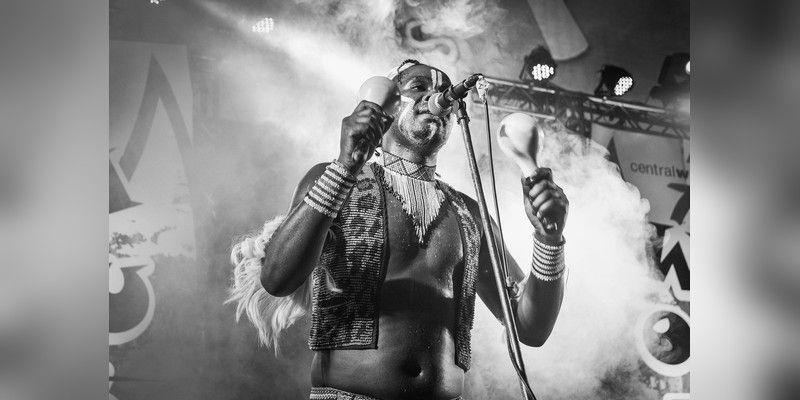
• Tekno says Fela Anikulapo-Kuti should not be treated as the sole creator of Afrobeats, while still crediting him with putting the sound on the world map.
• Historical accounts widely describe Fela as an Afro-beat pioneer whose sound fused Yoruba traditions with jazz, funk and blues.
• The real value of the debate is not choosing one winner, but listening more carefully to the highlife and other traditions behind Nigeria’s modern pop sound.
A music argument can turn into a shouting match before anyone has played a song. Tekno’s comments about Fela Anikulapo-Kuti have reopened one of Afrobeats’ most combustible questions: who gets the credit for a sound that now sells out arenas from Lagos to London?
The easy version is a one-name answer. The better version is more crowded. It has Fela’s pioneering work at the centre, but it also has the highlife records in family sitting rooms, regional rhythms, older bands and younger artists who turned those influences into something new.
What Tekno actually said
Pulse reported that Tekno made the comments in a Hot 97 interview. He argued that Fela should not be regarded as the sole originator of Afrobeats, named highlife legend Oliver De Coque among artists he grew up hearing, and said Fela “stamped” the sound on the world map. That is Tekno’s view of a musical family tree, not a new official ruling on history.
Fela’s role is not erased
The distinction matters because “Afrobeat” and “Afrobeats” are often thrown together online as if they mean exactly the same thing. Fela’s Afro-beat was a defined, radical musical project. Encyclopaedia Britannica describes him as an Afro-beat pioneer who launched a modern style fusing blues, jazz and funk with traditional Yoruba music; the sound emerged from experiments with Koola Lobitos.
Recognising that documented role does not require pretending no music existed around it. It means being specific about what Fela made, how far it travelled and why it continues to matter.
Why highlife belongs in the room
Tekno’s point about highlife is a useful invitation to widen the playlist. A listener can hear a contemporary Afrobeats track as a modern product and still trace older Nigerian and West African ideas inside it: guitar lines, call-and-response, dance rhythms, melodic habits and the social life around the songs.
That does not mean every influence is identical, or that one artist can settle a long cultural conversation in one interview. It means the story of Nigerian music is richer when the names beneath the main headline are allowed to stay visible.
History is not a trophy cabinet
The fight over “who started it” often treats culture like a prize shelf with room for only one plaque. Music does not work that neatly. Pioneers matter. So do the scenes, musicians and traditions that make a pioneering sound possible—and the generations that reshape it for a different audience.
Tekno has not closed the Fela debate. He has made a familiar question loud again. The useful response is not to flatten Fela’s legacy or dismiss highlife, but to listen with more names in mind.
Also read: Who owns a Nigerian song after it blows up? Why rights data matters before the next stream
Also read: “Money Constant” is leading Nigerian radio. Why streaming alone does not decide a hit
Which older Nigerian artist should more Afrobeats listeners spend time with? Tell us in the comments.
