
• A stream can build reach, but the money from one song can also depend on publishing, master ownership, performances, licensing and brand work.
• Nigeria’s Copyright Act 2022 protects musical works and sound recordings, while collective-management bodies help administer some rights.
• Before signing a deal, artists need to understand what they are licensing, for how long, in which territory and who will account for the income.
As the global export of Afrobeats reaches unprecedented heights, Nigerian musicians and industry stakeholders are navigating a complex commercial commercial landscape where digital streaming alone is insufficient to sustain long-term artistic careers amid infrastructural hurdles and currency volatility.
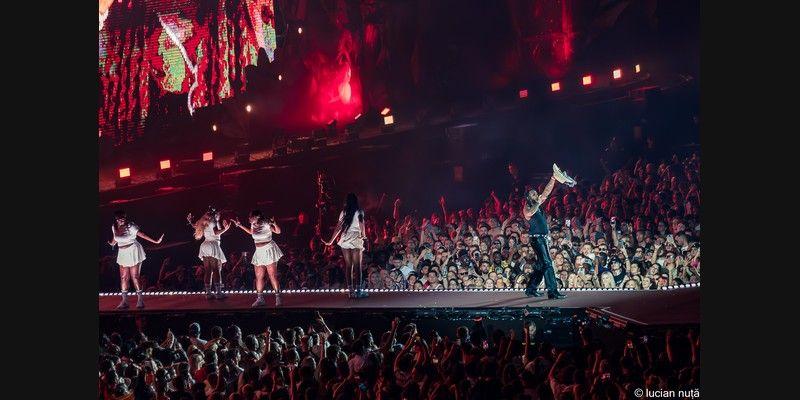
The backstage of a major concert venue in Lagos hums with a distinct electric tension minutes before showtime. Technicians adjust soundboards, backing vocalists rehearse harmonies, and management teams review final riders. For the casual observer, this vibrant spectacle represents the zenith of modern African pop culture. Yet behind the dazzling lights and global chart positions lies a sophisticated commercial machinery. The contemporary Nigerian music industry operates within a complex socio-economic landscape characterized by rapid global export growth alongside domestic infrastructural challenges, collection inefficiencies, and currency volatility. Although digital streaming offers expansive international reach, local artists heavily rely on brand sponsorships, corporate partnerships, live shows, and synchronized licensing to insulate their careers against high production overheads and copyright enforcement gaps.
The streaming paradox and the realities of digital distribution
Digital streaming platforms have fundamentally transformed how African music travels across borders, allowing Lagos-produced tracks to resonate instantly from London to Tokyo. Yet, reliance on streaming as a sole revenue source presents formidable economic constraints. Per-stream royalty payouts, particularly across developing digital markets and regional DSPs, often translate into modest returns when distributed across large production teams, songwriters, producers, and featured artists. Currency devaluation and macroeconomic fluctuations in Nigeria further compound these challenges, making predictable cash flow a pressing concern for emerging and established acts alike.
To contextualize these financial dynamics, industry observers frequently examine Inside Nigeria's booming music distribution ecosystem, which highlights how modern aggregation and digital infrastructure shape royalty collection. While digital aggregation democratizes global access, building a resilient music enterprise requires active diversification into non-streaming verticals that generate higher upfront yields and long-term asset value.
The legal bedrock: Copyright Act 2022 and statutory rights
A sustainable career in music monetization is anchored firmly in robust intellectual property frameworks. In Nigeria, the foundational pillar for creator protection is established by the Nigerian Copyright Commission under statutory legislation. The Copyright Act 2022 provides comprehensive statutory protection for musical works, sound recordings, and audiovisual compositions, granting creators exclusive legal rights over reproduction, distribution, broadcasting, and public performance.
Understanding and enforcing these statutory rights ensures that artists retain control over their master recordings and publishing assets. When third-party commercial entities, broadcasters, digital services, or public venues utilize musical works without proper authorization, statutory provisions empower creators and rights-holders to pursue legal remedies. Intellectual property specialists emphasize that registering works early and maintaining meticulous split sheets are indispensable steps for Nigerian musicians seeking to secure their rightful share of domestic and international revenues.
Navigating collective management organizations and royalty collection
While individual enforcement of copyright across thousands of radio broadcasts, television stations, clubs, and public spaces is practically impossible, the institutional architecture of collective management provides a systematic solution. The Nigerian Copyright Commission oversees accredited Collective Management Organizations (CMOs) such as the Musical Copyright Society Nigeria (MCSN) to license musical works and collect public performance and mechanical royalties on behalf of songwriters, composers, and publishers.
As detailed in professional analyses such as AELEX Licensing Insights, effective royalty collection and licensing compliance remain vital for maximizing recurring passive income. CMOs negotiate blanket licenses with broadcasting networks, hospitality venues, airlines, and digital platforms, distributing collected royalties proportionally based on airplay logs and usage monitoring. However, industry stakeholders continually advocate for enhanced transparency, digital tracking integration, and broader compliance enforcement across the Nigerian entertainment ecosystem to ensure that creators receive accurate compensation for their intellectual property.
Brand partnerships and corporate sponsorships as capital catalysts
Beyond passive royalties and streaming revenues, brand endorsements and corporate partnerships serve as powerful financial catalysts for Nigerian artists. Telecommunications giants, multinational beverage brands, financial technology firms, and fashion houses increasingly recognize the unparalleled cultural influence of Afrobeats stars. These corporate collaborations offer substantial upfront capital injection, marketing synergy, and promotional campaigns that amplify an artist's brand far beyond traditional audio releases.
Such strategic alliances often parallel insights explored in discussions around How African streaming platforms are reshaping creator economies, where digital engagement directly correlates with commercial marketability. By aligning with reputable corporate sponsors, musicians secure multi-million-naira endorsement deals, ambassadorships, and sponsored regional tours that effectively subsidize album recording sessions, music video production, and crew remuneration.
Live performances and international touring as primary export engines
For top-tier Nigerian acts and rising artists alike, live performances and international touring represent the most lucrative revenue generators available. While streaming provides broad passive visibility, live concerts, festival appearances, and arena tours generate substantial direct income from ticket sales, merchandise, and VIP packages. International touring across North America, Europe, and neighboring African countries allows artists to capitalize on their global fanbases, directly offsetting lower per-stream royalty payouts in domestic and regional markets.
Furthermore, sync licensing—placing original songs in television commercials, feature films, video games, and streaming series—has emerged as another high-value monetization avenue. Synchronization agreements provide lucrative upfront sync fees alongside ongoing performance royalties whenever the visual media is broadcast or streamed globally, turning timeless compositions into enduring financial assets.
Disclaimer: This article provides a general educational overview of music publishing, licensing, and revenue structures in Nigeria and does not constitute professional legal, financial, or tax advice. Readers, artists, and creators should consult qualified entertainment attorneys, intellectual property specialists, or licensed financial advisors before signing publishing contracts, licensing agreements, or representation deals.
Building a resilient music career in Nigeria's dynamic creative economy requires looking far beyond the metrics of digital dashboards and play counts. By mastering copyright registration, engaging with accredited collective management organizations, securing strategic corporate partnerships, and capitalizing on global live tours and sync licensing, Nigerian musicians can construct robust, multi-layered financial ecosystems that withstand market volatility and reward artistic excellence for generations to come.
Ready to elevate your music career strategy? Explore our expert guides on intellectual property, distribution networks, and digital creator economies to stay ahead in Nigeria's thriving entertainment industry.
Think of a song as a catalogue asset
The useful shift is to stop seeing a song only as a release-day event. A track can earn in different places at different times: a live set, a brand campaign, a film cue, a cover, a radio broadcast, a catalogue acquisition or a licensing deal. But those routes work only when the people involved can identify the work, its writers, its owners and the permissions required. That is why split sheets, contact details, contracts and a clear chain of ownership are not back-office extras. They are what make later opportunities possible.
For an independent act, the first practical question is not how to copy a superstar’s deal. It is which right is being offered away and what the artist receives in return. A distributor, publisher, manager, promoter and label can play different roles. The language may sound similar, but the commercial effect can be very different. This is general information, not contract advice; an artist considering a binding agreement should get qualified legal or financial support before signing.
