
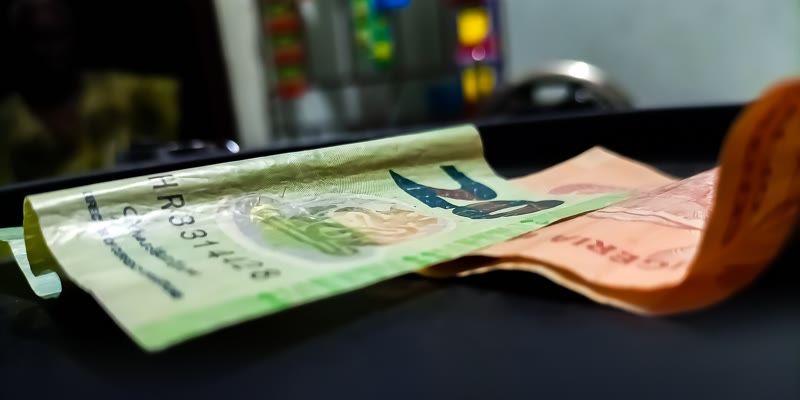
• The Central Bank of Nigeria's official rate stood at ₦1,356.69 to the dollar on Monday 16 November 2026, against ₦1,345.76 on 30 October, after the naira's biggest one-day fall in three weeks took it to a ₦1,364 close on 11 November, according to CBN data reported by Nairametrics.
• At the 16 November rate, a $15,000 tuition bill costs about ₦20.35 million, roughly ₦164,000 more than at the end of October, while bills in pounds and euros have become slightly cheaper in naira over the same period.
• The November slip is small next to January, when the official rate was above ₦1,430, so it is not a finding that dollar costs are higher than at the start of the year, and the official rate is a reference point, not the rate a bank or card will charge.
A parent opens a university invoice priced in dollars and checks it against last month's bank quote. The dollar figure has not changed. The naira figure has.
The naira weakened from ₦1,346 per dollar at the end of October to ₦1,364 on 11 November, according to a Nairametrics report on the official market, which uses CBN data for the Nigerian Foreign Exchange Market. The ₦10.50 drop that day was the largest single-session fall since 22 October. It has since clawed back only part of that ground.
A small move with a large multiplier
There are two official numbers in circulation. The closing rate of the day's trading ended at ₦1,364 on 11 November, Nairametrics reported, then ₦1,358.50 on 12 November and ₦1,353.50 on Friday 13 November, according to Arbiterz, both citing CBN data. The CBN's own published central rate moved less sharply: ₦1,357.84 on 11 November, ₦1,353.47 on 13 November and ₦1,356.69 on Monday, according to the CBN's official exchange rate page. The conversions below use that published CBN rate.
Between 30 October and 16 November it rose by ₦10.94, or about 0.8 per cent. In percentage terms that is modest. The effect depends on the size of the bill. On a $20 monthly subscription, the difference is about ₦220. On $1,000, it is about ₦10,900. On $15,000, it is about ₦164,000.
School fees and transfers abroad
Families paying tuition or living costs abroad feel it most, because the amounts are large and the dates are fixed by the school, not by the market. A $15,000 tuition instalment cost about ₦20.19 million at the 30 October rate and about ₦20.35 million on 16 November. At the ₦1,364 close of 11 November, it would have been about ₦20.46 million.
Not every foreign bill has gone up. The dollar has strengthened against other major currencies this month, and the CBN's own figures show the pound falling from ₦1,802.91 on 30 October to ₦1,791.38 on Monday. A £20,000 UK tuition bill has become about ₦231,000 cheaper over the same period. A €10,000 bill has fallen by about ₦81,000.
Banks and transfer services apply their own rates and fees, so the official figure is a reference point rather than the exact price a family pays. A parent comparing quotes is comparing those margins as much as the market.
Phones, laptops and subscriptions
Imported phones and laptops are priced off the dollar. At the official rate, the naira cost of a $1,000 handset rose by about ₦10,900 between 30 October and 16 November; whether a shop passes that on depends on its own pricing and when its stock was bought. A shop that prices off the parallel market rather than the official rate would be working from a dollar about ₦60 dearer at Monday's street quotes.
Subscriptions billed in dollars to naira cards, such as software, cloud storage or streaming plans, move with every renewal. The change on any one bill is small, but it adds up for freelancers and small businesses running several tools at once, and the card rate a bank applies can differ from the official figure.
Two rates, and a gap that keeps moving
The parallel market moved further. Nairametrics reported the dollar at ₦1,445 on 12 November, up ₦15 in a day, leaving a gap of ₦86.50 with the official close. Bureau de change operators "attributed recent demand partly to purchases ahead of the festive season", it reported. Street quotes vary by city, dealer and size of deal: Arbiterz reported operators quoting ₦1,417 on Monday 16 November. At that rate, the same $15,000 bill would come to about ₦21.26 million, some ₦905,000 more than at the official rate.
The wider picture is steadier than the daily numbers suggest. The naira remains stronger than at the start of the year, when the CBN rate was ₦1,430.35 on 2 January. At that rate the $15,000 bill would have cost about ₦21.46 million, around ₦1.1 million more than today. Gross reserves rose by $295.35 million in October, though Nairametrics called that "the slowest positive monthly increase recorded so far this year". It also noted the dollar strengthening worldwide, with the dollar index at its highest since April 2025.
For households with dollar bills, the date a payment goes through can matter as much as the rate. Little more than two weeks moved a large tuition bill by more than ₦160,000, and the parallel market can move it by far more.
Also read: Naira weakens at official market, gains slightly on parallel market Also read: YouTube hikes Premium subscription prices by 54% in Nigeria
Which dollar-priced bill, from school fees to an app subscription, has cost you more this month? Tell us in the comments.
