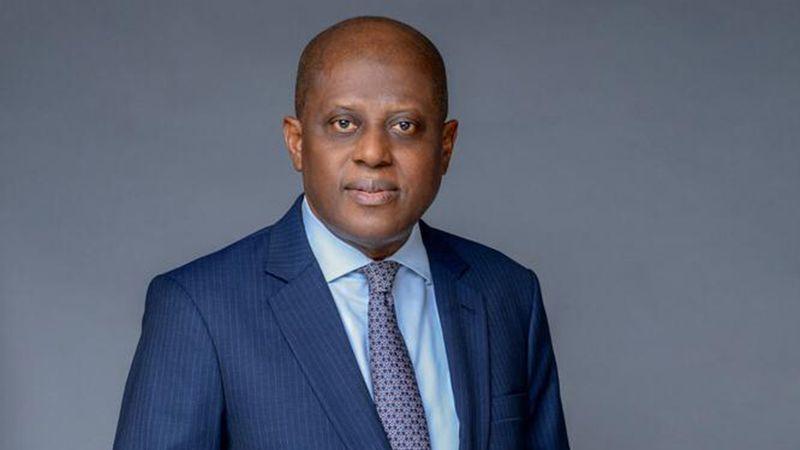
- CBN Governor Olayemi Cardoso warned that the Middle East conflict poses a major risk to Nigeria’s economy
- The tensions between Iran and Israel have pushed global crude oil prices above $100 per barrel
- Cardoso highlighted stronger reserves, banking reforms, and policy coordination as factors positioning Nigeria to better absorb shocks
The Governor of the Central Bank of Nigeria, Olayemi Cardoso, has raised alarm over the economic implications of the ongoing Middle East crisis, warning that it poses a serious threat to Nigeria’s stability.
Speaking at the Monetary Policy Forum in Abuja on Thursday, March 26, Cardoso highlighted how escalating tensions between Iran and Israel have disrupted global oil markets, pushing crude prices above $100 per barrel due to instability in the Strait of Hormuz.
The ripple effects have been felt domestically, with petrol prices in Nigeria surging to about ₦1,350 per litre.
Cardoso noted that despite gains made in strengthening foreign reserves, enhancing the banking system, and improving payment infrastructure, the country still faces significant economic vulnerabilities.
He said the apex bank remains focused on sustaining recent progress by driving inflation down to single digits, maintaining exchange-rate stability, and boosting reserve buffers.
Looking ahead, Cardoso projected global economic growth at 3.3% for 2026 but cautioned that tight financial conditions, prolonged monetary tightening, and geopolitical tensions could weaken this outlook.
“The Middle East crisis, with its impact on oil price volatility, constitutes a major source of risk to the Nigerian economy,” Cardoso warned.
The conflict involving Iran, the United States, and Israel has already driven Nigerian crude prices above $110 per barrel.
Recently, Brent crude peaked at $112 per barrel, its highest level since mid-2022, far exceeding Nigeria’s $64.85 budget benchmark.
This sharp rise has also affected Middle Eastern oil grades, including Abu Dhabi’s Murban crude, which has seen significant price increases.
Brent crude alone has climbed more than 50% this month, intensifying transportation and operational costs for businesses, particularly small and medium-sized enterprises (SMEs).
Cardoso further disclosed that Nigeria’s domestic growth is projected at 4.49%, supported by policy consistency, a market-driven foreign exchange system, improving oil production, and ongoing structural reforms.
However, he acknowledged persistent challenges such as food supply constraints, infrastructure gaps, and election-related spending pressures, which could hinder progress.
Despite these concerns, Cardoso expressed confidence in Nigeria’s improved macroeconomic framework, citing stronger fiscal-monetary coordination and enhanced early warning systems as key buffers against external shocks.
Meanwhile, rising fuel costs continue to squeeze businesses, reducing profit margins and weakening consumer purchasing power.
The resulting increase in transport fares, food prices, and service costs underscores a broader cost-of-living crisis.
Economic analysts warn that these pressures could trigger a deeper inflationary cycle, especially for SMEs operating with limited financial resilience.