
- The Federal Government said a $6.25 billion investment is needed annually to bridge Nigeria’s housing deficit
- It said over 70 per cent of Nigeria’s 43 million housing units are inhabitable
- The government said public-private partnerships areare needed to ensure affordable housing and urban development
The Federal Government says Nigeria requires $6.25 billion investment annually to address the country’s housing deficit, which is estimated at over 28 million units.
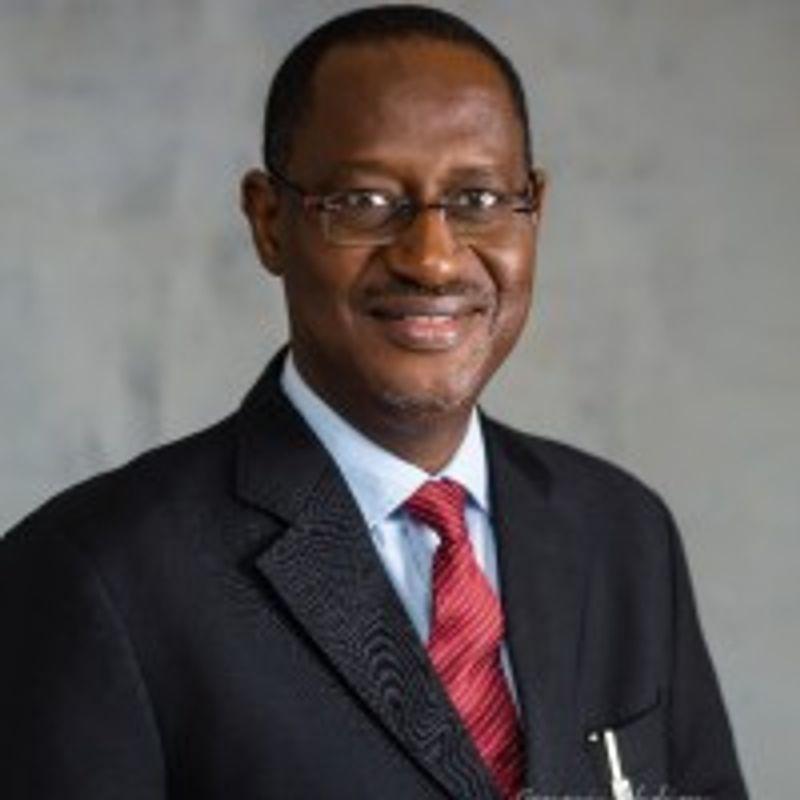
The Minister of Housing and Urban Development, Ahmed Dangiwa, stated this recently at the Renewed Hope Housing Public-Private Partnership Summit held in Abuja.
Dangiwa stressed that inconsistent implementation, lack of political will, and poor coordination are factors that have hindered progress in the sector despite numerous housing policies and strategy papers.
He noted that the administration of President Bola Tinubu is determined to break the cycle of inaction and deliver tangible results.
The minister highlighted that Nigeria must deliver 500,000 housing units annually over the next decade to bridge the housing gap and meet the rising demand.
“At an average cost of N10 million per unit, this translates to an annual financial requirement of over N5 trillion (approximately $6.25 billion).
“This scale of investment necessitates a collaborative strategy involving both the government and the private sector,” he said.
Over 70% of Nigeria’s 43 million housing units are inhabitable – Minister
The Housing Minister further stated that over 70 per cent of Nigeria’s 43 million housing units do not meet basic standards of habitability, safety, sanitation, accessibility, and infrastructure.
He stated, “For instance, only 3.30 per cent of households have access to piped water, 24.00 per cent have access to sewage systems, and just 51.70 per cent are connected to the national grid.”
Dangiwa added that the government is implementing the Renewed Hope Housing Programme and the National Urban Renewal and Slum Upgrade Programme to address these challenges.
Public-private partnerships to ensure affordable housing, urban development
Dangiwa noted that public-private partnerships (PPPs) are crucial to achieving large-scale affordable housing and urban development.
He said, “We have made public-private partnerships a key part of our efforts to ensure that we conceive and implement large-scale affordable housing and urban development interventions and create significant impact nationwide.”
The minister said the government is working with a consortium of developers to deliver 100,000 housing units under a PPP framework.
He noted that under phase one of the MoU, the government aims to deliver seven Renewed Hope Cities targeting the Federal Capital Territory, Lagos, Kano, Maiduguri, Enugu, Port Harcourt, and Nasarawa, where there is effective demand for housing.
Dangiwa added that construction is already underway, with 6,612 housing units in progress in the FCT, Lagos, and Kano.
He added that the ministry has signed a partnership agreement with Shelter Afrique Development Bank (ShafDB) to deliver 5,000 housing units in its first phase, with plans for nationwide expansion.
“This agreement is historic because it marks the first time the Federal Government, through the ministry, is directly collaborating with ShafDB to access developer finance for affordable housing,” Dangiwa stated.
ShafDB will also provide technical advisory services in addition to financing, including a comprehensive assessment of Nigeria’s housing market and the development of PPP transaction models for affordable housing and urban renewal projects.
The minister also highlighted plans for specialised housing projects, such as ‘Renewed Hope Medic Cities’ for healthcare workers, along with ongoing discussions on revitalising the Centenary City project.
Dangiwa called on the private sector to collaborate with the government in addressing the housing deficit.
“We need more PPPs with technically and financially capable partners to deliver the Renewed Hope Agenda.
“If you have value to add to our work, you can be sure that you have a willing partner in us,” he added.
75% of Nigeria’s 42 million housing units are substandard – Minister
Meanwhile, TheRadar earlier reported that the Minister of Housing and Urban Development, Musa Dangiwa, said over 75 per cent of Nigeria’s current 42 million housing units are substandard.
Dangiwa noted that Nigeria faces a housing crisis as nearly half of Nigeria’s population resides in informal settlements.
