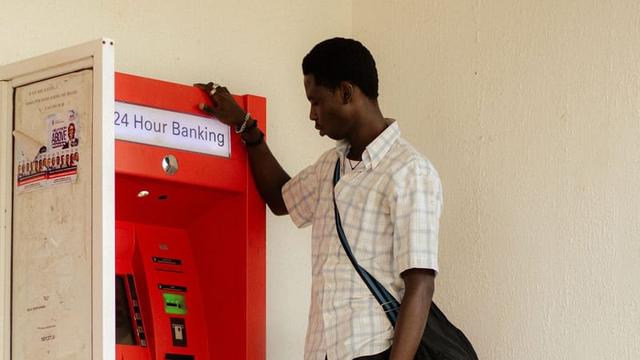
• Under a Central Bank of Nigeria circular reported on 3 December 2025 and effective from 1 January 2026, an individual can withdraw up to ₦500,000 a week in cash across all channels, a corporate customer up to ₦5 million, and anything above that attracts an excess withdrawal fee of 3% for individuals and 5% for corporates.
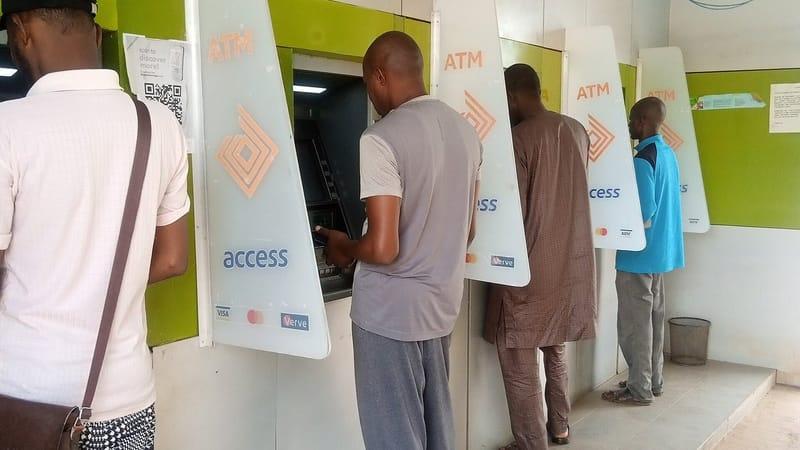
• ATM withdrawals are capped at ₦100,000 a day per customer and count towards the weekly ₦500,000, as do POS cash-outs and third-party cheques cashed over the counter, which stay capped at ₦100,000, while the old once-a-month special authorisation for ₦5 million is discontinued.
• TheRadar could not open the circular on the CBN's own website, so these figures come from news reports of it, and TheRadar found no later 2026 change to the limits, which does not prove none has been made.
A trader in Ibadan walks into a branch in the last week of the month to pay a supplier in cash. She has ₦700,000 in her account and has already used an ATM and a POS agent that week. Whether the teller hands over all of it, or deducts a charge on part of it, depends on a rule many customers have never read.
The rule comes from a CBN circular on "revised cash-related policies", signed by Rita Sike, the CBN's Director of Financial Policy and Regulation, according to Nairametrics' report of the circular. The report says it was released on 2 December 2025, takes effect on 1 January 2026, and replaces earlier cash policies that the CBN said needed to be streamlined.
The weekly figure that counts everything
The key number is cumulative. Nairametrics reports that the ₦500,000 for individuals and ₦5 million for corporates is a weekly limit "across all channels", so cash from a branch, an ATM and a POS terminal is added together. Premium Times gives the same figures and says the limits cover ATMs and POS devices.
That means the ATM limit is not a separate allowance. The ₦100,000 daily ATM ceiling per customer sits inside the weekly total, so five full ATM days would use up the whole ₦500,000 on their own. Third-party cheques cashed over the counter are limited to ₦100,000 and also count towards the week.
What happens above the line
Money above the weekly limit is not refused outright. The reports say banks charge an excess withdrawal fee of 3% for individuals and 5% for corporates. On a ₦700,000 withdrawal by an individual, the ₦200,000 above the limit would carry a fee of ₦6,000 at 3%, a simple calculation from the reported rate, not a figure from any bank.
Premium Times reports that the fee is shared, with 40% going to the CBN and 60% to the bank. Nairametrics says the charges are shared between the CBN and the banks but does not give a ratio, and it adds that banks must keep the processing charges in separate accounts and report cash withdrawals above the limits to supervisors every month. TheRadar could not check the split against the circular itself.
What changed, and who is exempt
The circular ended the special authorisation that let individuals take out ₦5 million and corporates ₦10 million once a month. Legit.ng's report on the CBN's follow-up FAQ, published on 9 December 2025, says the cap applies only to naira cash and that foreign currency withdrawals are not limited. That article is a reporter's paraphrase, not a quotation of the FAQ, so the exact wording is worth checking before relying on it.
Nairametrics reports that exempt accounts include revenue-generating accounts of federal, state and local governments, and the accounts that microfinance banks and primary mortgage banks hold with commercial and non-interest banks. Earlier exemptions for embassies, diplomatic missions and aid-donor agencies were withdrawn. Cash deposit limits were also removed, according to news reports TheRadar found, so the old fee on excess deposits no longer applies.
What to do before a big cash day
Because the limit is weekly and cumulative, the practical step is to count what has already gone out through ATMs and POS agents before planning a large withdrawal. Transfers do not count, because the limit covers cash, so paying a supplier by transfer avoids the question entirely.
Agent banking has its own, separate caps, which TheRadar covered in its report on starting a POS business. The exact way a branch applies the fee is for the bank to explain. A customer who is charged and thinks it is wrong should ask the bank for the circular reference it relied on.
The ₦500,000 weekly limit is real and in force on the evidence TheRadar could find, but it is a reported figure that the CBN can change by circular. The surest check is the CBN's circulars page or a notice from your own bank.
Also read: Starting a POS business in 2026: terminal costs, CBN limits and what agents charge Also read: What Nigerian banks may charge you in 2026: transfers, ₦50 stamp duty, ATM, SMS and USSD fees
Have you ever been charged an excess fee at a bank or POS agent for withdrawing cash, and how did it go? Tell us in the comments.