
Nigeria will have a booth at Gamescom for the first time this month. The bigger question is what happens after people walk past it.
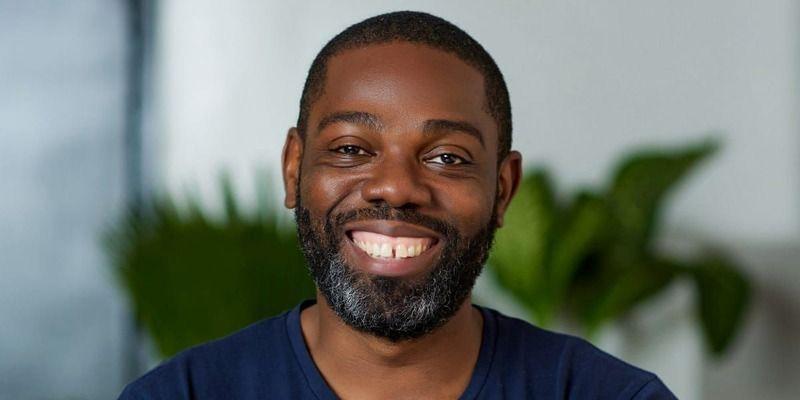
From 26 to 28 August, the Games from Nigeria pavilion will bring studios, developers and ecosystem groups to Hall 4.1 in Cologne. Maliyo Games founder Hugo Obi is leading the delegation; the programme includes game demonstrations, meetings and the Africa Games Industry Mixer.
- Nigeria’s first national Gamescom pavilion will run at Hall 4.1, Booth C010, from 26 to 28 August.
- Maliyo, Kucheza Gaming, Africacomicade, Dimensions11, CodeBox Games and Gazuntype are among the announced names around the pavilion.
- A crowded stand and a few viral photos will be nice. The real test is whether Nigerian studios leave Cologne with conversations that can become distribution, publishing, investment or long-term partners.
The pavilion matters because Gamescom is not just a place where people play games. It is a place where games are bought into, signed, distributed, covered and remembered.
Nigeria has talented developers and a young audience that already spends serious time on mobile games. But talent can be easy to miss when it is scattered across different studios, cities and social feeds. A national pavilion puts a clear name, a location and a set of people in front of the industry at once.
That is the opportunity. It is not the finish line.
The booth has to make Nigeria easy to find
A first pavilion gives Nigerian game makers something they have not always had at a global event: one place where a publisher, investor or journalist can say, “Show me what is being made in Nigeria.”
The announced space is being designed by Kucheza Gaming founder Bukola Akingbade and will carry Nigerian-inspired patterns and cultural references. That identity is useful. Gamescom floors are busy, and a booth that looks like every other technology stand can disappear quickly.
But the most useful thing about the pavilion is not the décor. It is concentration.
A visitor who has only heard a vague claim about African gaming can meet several studios, see games being built, ask questions and understand that there is an ecosystem behind the pitch. The planned demonstrations, developer meet-and-greets and networking sessions are the working part of that idea.
A game needs a route beyond the stand
The event will be successful if a good game is not only played for five minutes and forgotten.
For a small studio, the difficult work often begins after a demo attracts attention. Who will help localise the game? Which platform can carry it? Is there a publisher that understands the audience? Can a marketing partner help it reach players outside the people who already know the team?
Those are not glamorous questions, but they decide whether a game remains a promising project or becomes a business with a life beyond its first release.
Nigerian developers do not need every visitor in Cologne to become a customer. They need the right people to leave with a playable build, a follow-up date and a reason to return to the conversation. A distribution meeting that happens in September can matter more than a packed photo moment in August.
The mixer should create working relationships
The Africa Games Industry Mixer is designed to bring African developers together with publishers, investors and ecosystem partners. That gives the Nigerian delegation a clear room for the conversations that a trade event is built for.
The useful outcome is not a pile of business cards. It is a smaller number of conversations with next steps.
A publisher might ask for a longer build. An investor might want to understand a studio’s release plan. A platform team might want to know whether a game can meet its technical or localisation requirements. A media outlet might ask for a story that continues after the show.
None of those conversations guarantees a deal. But they are the practical doors that a pavilion is supposed to open.
Nigeria needs stories that travel with the games
Games are easier to remember when people can explain why they are different.
That is where the Nigerian angle can be stronger than a generic “African games are rising” pitch. The country has a deep pool of urban stories, languages, humour, music, sport and everyday experiences that developers can turn into worlds players recognise or discover for the first time.
The challenge is to make those stories travel without sanding them down until they could have been made anywhere.
The same tension appeared in a different part of Nigeria’s gaming economy when the Carry1st Africa Cup headed to Abuja. A local audience can build momentum, but global scale comes when players, partners and platforms elsewhere can also find a reason to show up.
The useful numbers will arrive after Cologne
The Games from Nigeria pavilion should be judged by what it helps studios do next.
That could mean a publisher asking to see more, a platform opening a new route to market, an investor starting due diligence, a studio finding a co-development partner or a journalist introducing a Nigerian game to a new audience. It could also mean nothing closes immediately but a relationship gets serious enough to survive the trip home.
The delegation should not have to pretend every meeting is a breakthrough. A first national pavilion is also about learning what the global market asks for, how Nigerian teams are received and where the gaps still are in funding, production, marketing and distribution.
That honesty will make the next trip stronger.
Nigeria is not going to Cologne to prove that one booth can fix an industry. It is going to make the industry easier to see, easier to meet and, if the work continues after the event, easier to do business with.
Also read: Carry1st Africa Cup heads to Abuja as Nigeria’s mobile gamers chase a place on the world stage
Also read: What to take to GITEX Nigeria if you are looking for a tech job
What would you count as a win for Nigeria at Gamescom: a publishing deal, new players, investment or simply being impossible to ignore? Drop your take in the comments below.
