
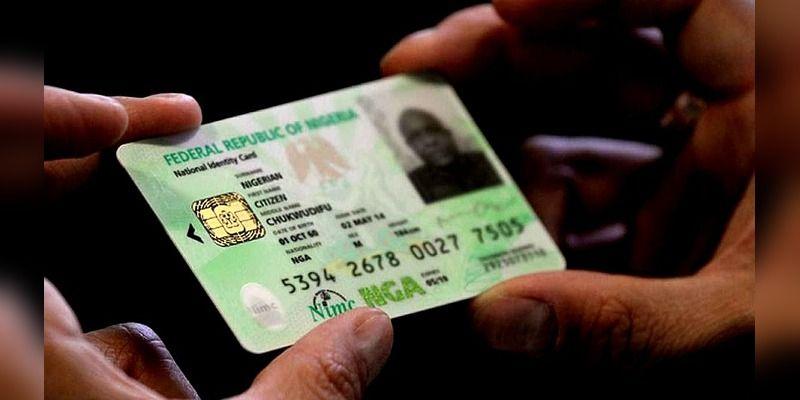
• The NIMC Act 2026 gives the National Identity Management Commission a new role at the centre of Nigeria’s digital-trust infrastructure.
• The law positions NIMC to validate certificates used for digital signatures, secure online transactions and identity verification.
• It does not mean your bank routine changes overnight, but it could shape how online accounts, contracts and business checks work over time.
Your NIN has already become one of those numbers Nigerians are expected to know by heart. It turns up when a SIM is linked, a bank account is opened or a public service asks who you are. Nigeria’s new identity law is trying to make that number do more than confirm a person’s name.
The NIMC Act 2026 replaces the old 2007 framework and gives the National Identity Management Commission a new job as Nigeria’s Root Certification Authority — a technical phrase with a simple ambition: make it easier for institutions to know that an online person, document or transaction is genuine.
For a customer, a freelancer or a small business owner, the important point is not that every online transaction will suddenly require a new app. It is that the country is building the legal plumbing for digital signatures, verified documents and NIN-linked identity checks to work with more confidence.
Why a digital signature matters
Most people know a signature as ink on paper. A digital signature is different from simply typing your name under an email or drawing a line on a phone screen. It is a cryptographic way of proving who approved an electronic document and whether it was changed afterwards.
Under the new law, NIMC sits at the top of a framework that can validate the certificates behind those signatures and secure identity checks. As current reporting on the Act explains, that could eventually support safer online contracts, electronic records and verified transactions across banks, businesses and government services.
Think of a small fashion business sending a supply agreement to another city, a freelancer accepting a client contract or a customer opening an account without carrying a file of photocopies. The promise is not that fraud disappears. The promise is that there is a stronger way to check who signed what.
Your bank is not changing tomorrow
This is where the headlines can get ahead of the real world. The Act does not announce a new daily requirement for customers, and it does not mean every business can immediately begin issuing NIN-backed digital signatures. The systems, technical standards and connections between NIMC, banks, businesses and other institutions still have to work in practice.
But banks and fintechs may increasingly use NIN-linked systems as part of identity verification and secure digital services. That could matter for account opening, online documentation, customer checks and transactions that need more trust than a one-time password alone can offer.
It also creates a reason to keep your own identity record clean. If your name, date of birth or phone number is inconsistent across services, future digital checks will not make that confusion disappear. They may make it more visible.
The awkward part is coordination
Nigeria is also working through how the NIMC Act will sit beside the proposed National Digital Economy and E-Governance Bill. The bill contains its own provisions on electronic signatures and digital government services, including roles for the National Information Technology Development Agency.
That overlap sounds like an Abuja problem, but it becomes a public problem if banks, businesses and technology companies receive unclear instructions. A trustworthy digital system needs clear rules about who can certify, who can verify, who can access data and what happens when something goes wrong.
For now, do the unglamorous things well: use official NIMC and bank channels, do not share NIN slips or verification codes with strangers, and correct any identity mismatch through the proper process instead of paying a shortcut seller on social media.
The NIN is slowly becoming less like a form field and more like infrastructure. The real test of this new law will be whether that infrastructure becomes safer and easier to use without making ordinary Nigerians jump through another set of hoops.
Also read: What the Nigeria Data Protection Act means for small businesses and creators
Also read: The job link is not a job. How to spot a fake government recruitment page before it gets your money
Have an identity mismatch or verification problem you want explained in plain English? Tell us in the comments.
