
• Microsoft says Africa risks consuming AI built elsewhere instead of capturing more of the value from it.
• Nigeria’s AI use is rising quickly in work, learning and business, but adoption does not automatically mean local ownership.
• The real test is whether Nigerian founders can build products, datasets, skills and infrastructure that keep more value at home.
Nigerians are opening AI tools for work, school and side hustles every day. The harder question is who owns what those tools make possible.
It is easy to see why AI feels like a Nigerian success story right now. Students use it to study. Creators use it to shape scripts and ideas. Small businesses use it to write captions, answer customers and get through tasks that once needed extra hands.
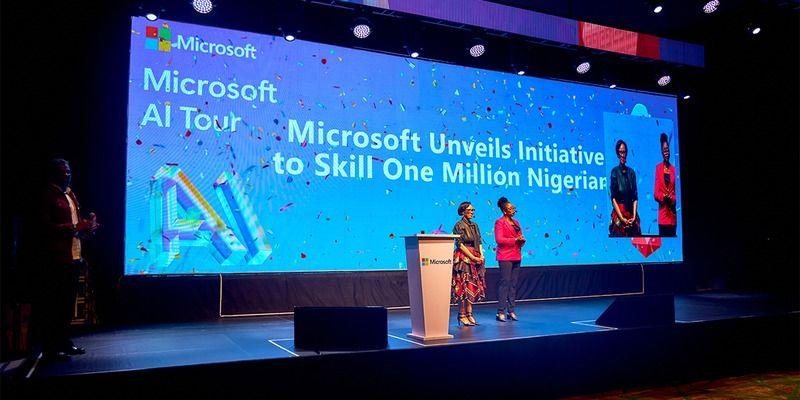
But Microsoft has raised a less comfortable possibility. In a Lagos statement, its Africa government-affairs lead warned that the continent could become an AI consumer rather than a creator or beneficiary of the value AI produces. Nairametrics reported that the warning came alongside evidence of fast Nigerian adoption.
Using AI is not the same as building with it
A designer using a foreign tool to finish work faster is still gaining something real. So is a founder who uses AI to support customer service. But that is different from building the model, the local dataset, the cloud capacity or the company that earns when millions of people use the technology.
That distinction is where Nigeria can lose ground. A country can be brilliant at downloading apps and still be absent from the part of the market where the biggest contracts, intellectual property and durable jobs sit.
The local opportunity is bigger than chatbots
Nigerian builders do not need to create a global general-purpose model before they matter. The opportunity can sit in local languages, fraud tools, health workflows, school systems, commerce and the messy realities of moving money and information here.
It also means treating skills as more than a certificate race. The most useful AI education will help people build something that serves a real customer, not merely produce another set of users for platforms made elsewhere.
Nigeria’s fast uptake is an advantage, but only if it becomes feedback, data, products and companies that local founders can own. Otherwise, the country may help prove the demand while someone else collects the long-term value.
Also read: Can AI find your Nigerian business? Truee thinks the answer is not yet
Also read: Glo wants Gloria to fix customer service. Can an AI assistant do that?
Are you using AI mainly to work faster, or have you seen a Nigerian product that genuinely solves a local problem? Tell us in the comments.
