
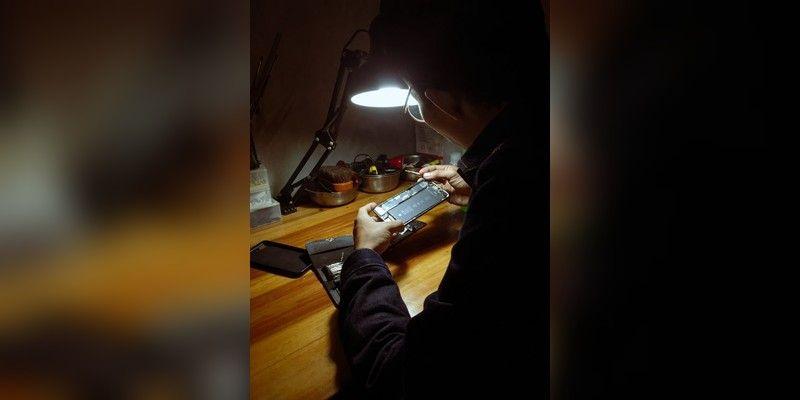
• Omdia says smartphone shipments to Nigeria fell 11 per cent year on year in the second quarter of 2026, with retailers reporting that higher prices led consumers to delay purchases.
• The shipment decline does not prove that repair shops, used-phone sellers or every brand are seeing the same result. It does show that a new phone is becoming a harder upfront decision.
• When replacement is delayed, the smartest question is not “Can this phone still switch on?” It is whether repair, a used device or waiting will cost less than the disruption of a phone that cannot do the work you need.
The broken-screen conversation has changed. It used to be a quick calculation: fix it, trade it or buy another phone when salary lands. Now, a cracked display, fading battery or faulty charging port can become a bigger decision because the new device waiting at the other end of the choice may have moved further out of reach.
For anyone who banks, works, sells, studies, creates content or navigates through a phone, the device is not a luxury item sitting quietly in a pocket. It is a small office, a checkout counter, a map, a camera and sometimes the only reliable way to stay reachable.
The budget-phone squeeze is showing up in Nigerian shipments
Omdia’s latest African smartphone market report says shipments to Nigeria fell 11 per cent year on year in the second quarter of 2026. The research firm said retailers reported weaker sales as higher prices encouraged consumers to postpone purchases.
That is a market signal, not a rule for every buyer. Shipments measure devices moving into the market; they are not a count of people who needed a phone, could not afford one or chose repair. They also do not tell us the price of a specific model in a specific shop.
But Omdia’s wider finding explains why the old replacement habit is under pressure. Across Africa, the sub-$100 smartphone segment fell 34 per cent year on year in the quarter, while average selling prices rose. The firm linked the squeeze to rising component costs and a shift away from the ultra-low-priced devices many people relied on as an entry point.
A repair is only a bargain if it restores the phone you actually need
A repair can be the best answer when the problem is isolated and the device still does the essential work. A battery replacement, screen repair, charging-port fix or software clean-up may give a useful phone more life. But a low repair quote is not automatically good value if the handset is already too slow for banking apps, has unreliable storage or has suffered water damage that could return as a bigger fault.
Before handing over a device, it helps to ask a technician what exactly failed, whether the part is new or reclaimed, what the total charge includes and whether they will test the phone before collection. Back up contacts, photos and authentication details first. A good repair should not become a surprise data loss.
There is no need to panic-replace a phone that still works. There is also no prize for managing a device until it starts affecting safety, work or access to essential services. The decision should be about the job the phone must do, not just the excitement of a newer model.
Used can save money, but hidden problems can be expensive
For a buyer considering a used phone, the headline price is only the start. Check whether the screen responds properly, the cameras focus, the microphone and speakers work, the charging port holds a cable, the battery behaves normally and the storage is enough for the apps you use.
It is also worth checking that the device is not locked to someone else’s account and that it can accept your SIM. A “cheap” phone that cannot update, cannot hold a charge or has a damaged board can cost more in repairs and downtime than a more dependable option.
Buyers should keep the process simple: test the actual device, collect a clear receipt where possible, and avoid rushing because a seller says another customer is waiting. Urgency is a sales tactic; a phone is a work tool.
Waiting is also a decision
Sometimes the best move is neither repair nor replacement that day. If a phone still covers your essential tasks, waiting can give you time to save, compare models, watch for legitimate offers and decide what features actually matter. A creator may need storage and camera reliability; a delivery rider may value battery health and navigation; a student may need a screen that makes reading possible without stress.
Omdia’s report does not promise that phones will get cheaper or that financing will fix affordability. It does show a market in which higher upfront costs are making people pause. That pause can be sensible if it leads to a better decision rather than a desperate one.
The new-phone upgrade is no longer automatic. For many Nigerians, keeping a trusted device alive—and knowing when not to—has become part of digital survival.
Also read: Before you buy another data plan, check the network around you
Also read: Data is now a business rent. Why Nigerian sellers feel the bill in every sale
When your phone fails, do you repair it, buy used or save for new? Tell us what has worked—and what has disappointed you—in the comments.
